

Introduction to Sexual Health and STIs/STDs: Embracing Every Identity Globally
Imagine a world where everyone feels truly clued-up about their own bodies, their desires, and their relationships. A world where chats about intimacy, pleasure, and overall well-being flow openly, honestly, and without a shred of judgment.
This ideal isn’t just a nice thought; it’s at the very heart of sexual health. It’s a concept much deeper and broader than simply staying clear of illness. It’s about laying down solid foundations of understanding, respect, and confidence that allow a fulfilling life for each and every person, no matter where they are on this planet.
Defining Sexual Health Holistically for All
For too long, sexual health has been squeezed into a tiny box labelled ‘disease prevention’, often whispered about in hushed tones or stuck solely within the doctor’s surgery. But genuine sexual health stretches far, far beyond just avoiding infections or unplanned pregnancies. Think of it as a rich, colourful fabric, made up of many different strands:
Physical Well-being
This isn’t only about steering clear of STIs/STDs and reproductive problems. It’s also about feeling comfortable and working well in your own body, and being able to experience pleasure safely. It’s knowing your anatomy, whatever that looks like for you, and how it connects to your sexual life.
Emotional Well-being
This strand covers your feelings about sex, intimacy, and relationships. It’s about feeling truly safe, respected, and valued by your partners. It’s also about having the inner strength to handle the ups and downs of desire, consent, and connection.
Mental Well-being
Our minds play a massive part in our sexual lives. Here, mental well-being means feeling good about your own sexuality, being able to make smart choices without feeling pressured, and talking openly about sex without anxiety or embarrassment. It’s truly about how you think and feel about yourself as a sexual being.
Social Well-being
Our sexuality doesn’t exist in a bubble; it’s shaped by our cultures, our communities, and the wider world. Social sexual health means experiencing sex in a way that truly respects others’ rights, challenges outdated or harmful norms, and champions fairness. It’s about being able to get support, information, and services in a way that respects who you are and the choices you make.
Ultimately, championing the right to sexual health information and services for all people means actively tearing down barriers.
It means truly seeing and recognising that every single person, no matter their gender identity (whether they’re cisgender, transgender, non-binary, or have other identities), their sexual orientation (be they heterosexual, homosexual, bisexual, pansexual, or asexual), their race, ethnicity, ability, or financial situation, deserves clear, accurate knowledge, supportive care, and the freedom to express their sexuality in a healthy and consensual way.
Across every culture and every corner of the globe, this fundamental human right boosts individual well-being and helps build kinder, more understanding communities.
Understanding STIs/STDs: A Global Reality for Diverse Populations
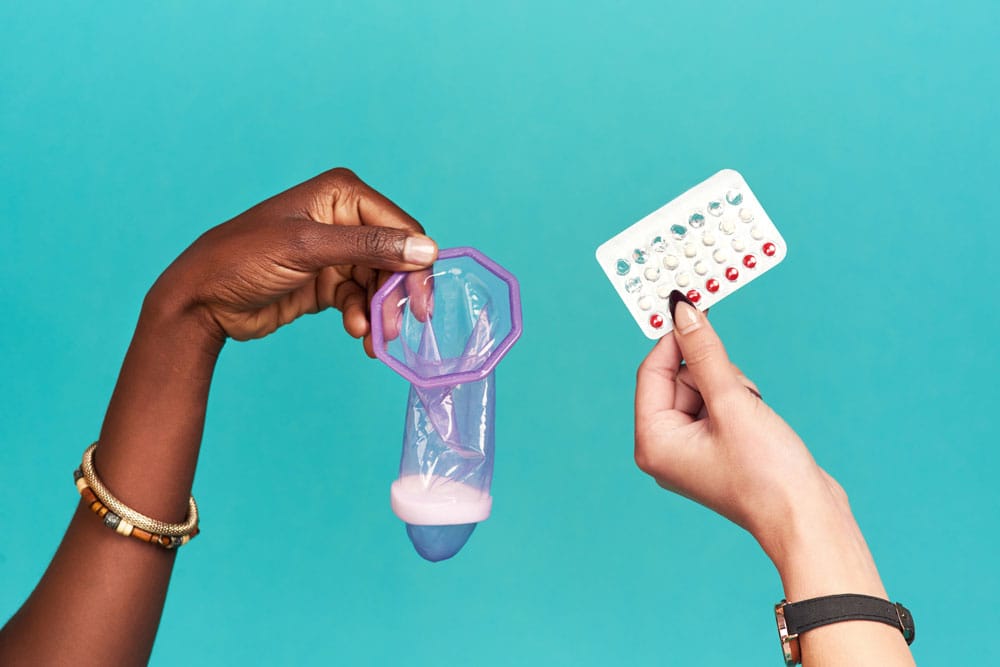
Now that we’ve broadened our view of sexual health, let’s talk about a part of it that often carries a heavy weight: Sexually Transmitted Infections, or STIs (sometimes still called STDs – Sexually Transmitted Diseases).
These are infections that can pass from one person to another during sexual activity, whether that’s vaginal, anal, or oral sex, or even through close skin-to-skin contact. While the topic can feel daunting, understanding it is the first step towards feeling truly empowered.
The Global Scope of STIs
STIs/STDs are a significant global health challenge, affecting millions of lives across every continent, in every country, and among every kind of person. They don’t discriminate based on your passport, your bank balance, or your beliefs.
For example, the World Health Organization (WHO) estimates that, globally, more than 1 million sexually transmitted infections are acquired every day.
That’s a staggering number, and it truly drives home that these are not isolated incidents but a widespread reality. Looking at specific infections:
- 129 million new cases of chlamydia
- 82 million new cases of gonorrhoea
- 7.1 million new cases of syphilis
- 6.5 million new cases of herpes simplex virus (HSV) type 2
These figures are a stark reminder of how common these infections are, affecting people from all walks of life, young or old, rich or poor, urban or rural.
Disparities in Prevalence and Access
While STIs/STDs affect everyone, their prevalence and the challenges they present aren’t evenly spread. This variation is often linked to broader social, cultural, and systemic issues.
Populations at Disproportionate Risk
Certain groups carry a greater burden, not due to their identity but because of societal barriers:
- Sex workers: Face legal persecution, violence, and lack of safe access to healthcare.
- Men who have sex with men (MSM): Encounter stigma and legal discrimination, making access to care difficult.
- Transgender individuals: Often face misunderstanding, invalidation, and lack of appropriate care from providers.
- Marginalised racial/ethnic groups: Struggle with systemic health inequalities, language barriers, and historical medical mistrust.
These intersecting challenges create a web of vulnerability that disproportionately impacts already marginalized communities.
Myths, Stigma, and Cultural Harm
Deeply ingrained misconceptions and harmful beliefs also exacerbate the situation:
- The myth that STIs are a result of “immoral” behavior fosters shame and guilt.
- The false idea that certain sexual orientations are more prone to STIs leads to dangerous discrimination and further silence.
These beliefs are not only inaccurate—they damage public health by creating fear and stigma around testing and treatment.
Toward an Inclusive, Compassionate Approach
- Challenging these myths and biases is a crucial step in public health and social justice. It means:
- Promoting open, stigma-free conversations about sexual health for everyone.
- Treating STIs as health conditions, not moral failings.
- Ensuring respectful, affirming, and accessible care for all—regardless of gender identity, sexual orientation, race, or economic status.
The Power of Inclusive Language

Words matter. They don’t just convey information; they build bridges or erect walls. In the sensitive world of sexual health and STIs/STDs, the language we choose can either invite understanding and trust or foster alienation and shame.
Our aim is to create a space where everyone feels seen, respected, and safe enough to learn and seek help. This is where the power of inclusive language truly shines, transforming sterile information into compassionate guidance.
Prioritising Gender-Neutral and Affirming Language
Think about how often conversations about sex, sexual anatomy, or STI prevention automatically default to “men and women,” or “male and female partners.” While this might cover a large part of the population, it instantly, and often unintentionally, excludes vast numbers of people whose experiences are just as valid and vital. By consciously choosing gender-neutral terms like “partners,” “individuals,” “people,” or “bodies,” we open the door to everyone.
For example, instead of saying “men should get tested for prostate issues,” a more inclusive approach might be “individuals with prostates should consider regular check-ups.” Similarly, discussing “vaginal health” might not resonate with trans men who have vaginas but identify as male, or with intersex individuals whose anatomy doesn’t fit typical categories.
Shifting to “genital health for individuals with vaginas” or “front hole health” (a term often preferred by trans men) ensures the information is relevant and accessible to everyone who possesses that anatomy, regardless of their gender identity.
This seemingly small shift ensures that trans men, trans women, non-binary individuals, and intersex people immediately feel included in the discussion. It acknowledges that sexual activity isn’t confined to a binary view of gender, and that everyone, regardless of their gender identity, has a sexual health journey that deserves attention and respect. It’s about ensuring our language reflects the beautiful diversity of humanity, rather than imposing outdated or exclusionary norms.
Respectful Terminology
Beyond gender neutrality, respectful terminology is about embedding compassion and dignity into every sentence. Consider the stark difference between saying “HIV victim” and “people living with HIV.” The first conjures images of helplessness and implies blame or suffering; the second acknowledges resilience, life, and personhood beyond a diagnosis.
This is called person-first language, and it’s absolutely vital. We talk about “individuals who have STIs,” rather than labelling someone simply as “an STD carrier” or “infected.” These labels can be incredibly dehumanising, reducing a person to their medical status and fostering deep-seated internalised shame. By using person-first language, we remind ourselves and our readers that a diagnosis is a part of someone’s health, not their entire identity or worth.
Equally fundamental is the accurate use of correct pronouns for transgender and non-binary individuals. Referring to someone as “he,” “she,” or “they” (or other pronouns) based on their expressed identity is a foundational act of respect and validation.
When someone is misgendered, even unintentionally, it can be deeply hurtful, invalidate their identity, and create an immediate and profound barrier to trust. In a healthcare or educational context, this can mean the difference between someone feeling safe enough to ask crucial questions or withdrawing entirely, potentially leading to unmet health needs.
In a global context, where understanding and acceptance of gender identity vary widely, it’s crucial for educational materials to model and advocate for this basic courtesy, encouraging everyone to ask and respect pronouns as a standard practice for empathetic communication.
Acknowledging the Full Spectrum of Identities

Finally, inclusive language means making a deliberate, conscious effort to explicitly include and discuss the experiences relevant to the full spectrum of human sexual orientations and gender identities. This isn’t just about being “politically correct”; it’s about ensuring accurate, relevant, and life-saving information reaches everyone who needs it.
- When discussing prevention, are we ensuring our advice on condom use or PrEP (Pre-Exposure Prophylaxis) is clearly applicable to homosexual (gay and lesbian) couples, who might engage in different sexual acts than heterosexual couples, or face unique social pressures?
- When talking about risk factors, do we account for the specific behaviours and experiences of bisexual or pansexual individuals who might engage with partners of various genders, and therefore have a broader range of exposure possibilities that might be overlooked in a strictly binary discussion?
- Are we considering the sexual health implications for asexual individuals who, while not experiencing sexual attraction, may still engage in non-penetrative sexual activities that can transmit some STIs, or require information on consent and relationship boundaries?
- Are we providing context and support for queer individuals who may define their relationships and sexuality outside traditional norms, ensuring that advice around partner notification or safer sex still applies to their unique dynamics?
- Are we clear about how STIs can affect the bodies of trans men, trans women, and non-binary people, whose anatomies might be different from their assigned sex at birth due to transition (or lack thereof), or whose hormone use might influence symptom presentation, testing sites (e.g., needing anal or oral swabs in addition to or instead of vaginal or penile swabs, depending on anatomy and sexual activity), or treatment considerations? For instance, a trans woman may still have a prostate and require information about prostate health, while a trans man might have vaginal tissue and require cervical screenings.
- Do we include information relevant to intersex people, whose diverse sex characteristics can mean their sexual health needs, STI symptoms, and anatomical considerations for testing might be unique and require tailored understanding from healthcare providers and educational materials?
Intentionally broadening our language and examples, we create an article that truly resonates with a diverse global audience. It becomes a vital resource that doesn’t just inform, but also affirms, validates, and empowers every single reader, fostering a global community committed to sexual health, equity, and dignity for all.
Intersectionality in Sexual Health: Understanding Overlapping Vulnerabilities Worldwide
Imagine layers upon layers, like tracing the lines on a map that crisscross and overlap. That’s a good way to picture intersectionality: it’s the understanding that a person isn’t just one identity, but a complex tapestry woven from many.
Your gender identity, sexual orientation, race, socioeconomic status, whether you have a disability, your migration status, and many other factors don’t exist in isolation. Instead, they interact and combine to profoundly shape your experiences—including your sexual health.
When Identities Intersect, Vulnerability Multiplies
Being a woman is one identity. Being a racial minority is another. Being a lesbian is yet another. When you are a Black lesbian woman living with a disability in a low-income community, these identities don’t just stack—they intensify.
The barriers you face aren’t merely additive; they compound, creating a unique and magnified set of challenges. Disparities in access to services and health outcomes emerge not from personal fault but from systemic structures of inequality.
Race and Ethnicity: The Echoes of Systemic Inequity
Globally, racial and ethnic minorities often face significant disparities in sexual health outcomes. These aren’t due to cultural or genetic differences—they’re the result of systemic racism, historical marginalisation, and unequal access to care and resources.
For instance, in many Western countries, Black individuals face the highest rates of HIV diagnoses. This global trend is tied to:
- Limited access to culturally competent healthcare providers
- Economic inequalities affecting access to PrEP, condoms, or routine care
- Geographical segregation placing services out of reach
- Deep-rooted mistrust in healthcare systems due to historical harm
These factors collectively make consistent, informed, and safe sexual health practices much harder to sustain.
Gender Identity and Sexual Orientation: Stigma and Systemic Gaps
Transgender individuals and men who have sex with men (MSM) face significantly higher rates of HIV and STIs—not because of who they are, but because of how the world treats them.
UNAIDS data shows:
- Transgender women are 14 times more likely to be living with HIV
- MSM are 28 times more likely to be living with HIV compared to the general population
This is due to systemic exclusion from stable housing, affirming healthcare, and employment—plus the threat of discrimination or violence in clinical settings. The fear of being misgendered or mistreated keeps many from seeking vital care, perpetuating cycles of untreated infection and social isolation.
Socioeconomic Status: The Cost of Silence and Lack of Access
Poverty drastically limits a person’s ability to care for their sexual health. When money is scarce:
- Health insurance is out of reach
- Transportation to clinics becomes a hurdle
- Taking time off work without losing income is not an option
- Access to quality sexual health education is limited
Even something as simple as consistently obtaining condoms may become a challenge. Economic pressure can also lead to transactional sex, where negotiating safe practices may be impossible.
Disability Status: The Unseen and Unaddressed

Disabled individuals often experience sexual health invisibility. Society frequently assumes they are asexual or uninterested in intimacy, which leads to:
- Inaccessible clinics (lack of ramps, interpreters, or plain-language materials)
- Providers untrained in how to communicate effectively or respectfully
- A lack of sexual education that includes or acknowledges their realities
This can delay diagnosis and treatment and fosters deep feelings of neglect and invalidation.
Migration Status and Geographic Location: Worlds Apart
Migrants, refugees, and asylum seekers live in precarious conditions that deeply affect their sexual health:
- Language barriers and fear of deportation keep them from accessing care
- Legal uncertainty may prevent them from seeking testing or treatment
- In rural or remote regions, clinics and information are often unavailable
Even when services exist, many are afraid that accessing them could jeopardize their residency status or safety.
Compounded Stigma: When Multiple Biases Collide
Intersectionality becomes painfully visible in cases of compounded stigma.
A trans migrant woman who is also a sex worker, for example, may fear violence, rejection, and legal consequences in every area of her life. If she contracts an STI, the resulting shame and fear can be paralyzing—making it unlikely that she will seek help.
Likewise, a gay man from a racial minority in a conservative country may be overwhelmed by fear of social and legal punishment. He may delay or avoid treatment altogether, risking severe long-term health consequences.
These are not rare exceptions—they are recurring realities across the world.
Why Intersectionality Matters in Public Health
Intersectionality isn’t just a theoretical lens—it’s a framework for action. It urges us to:
- Understand the full context of a person’s life
- See beyond singular categories of identity
- Build healthcare systems and policies that reflect these complexities
By acknowledging overlapping vulnerabilities, we can advocate for health strategies that are not only targeted and compassionate, but inclusive and just. It’s about tearing down the systemic barriers that exclude, and building pathways that uplift and empower—for everyone.
Prevention and Treatment of STIs/STDs: Strategies for Every Body and Every Relationship Globally
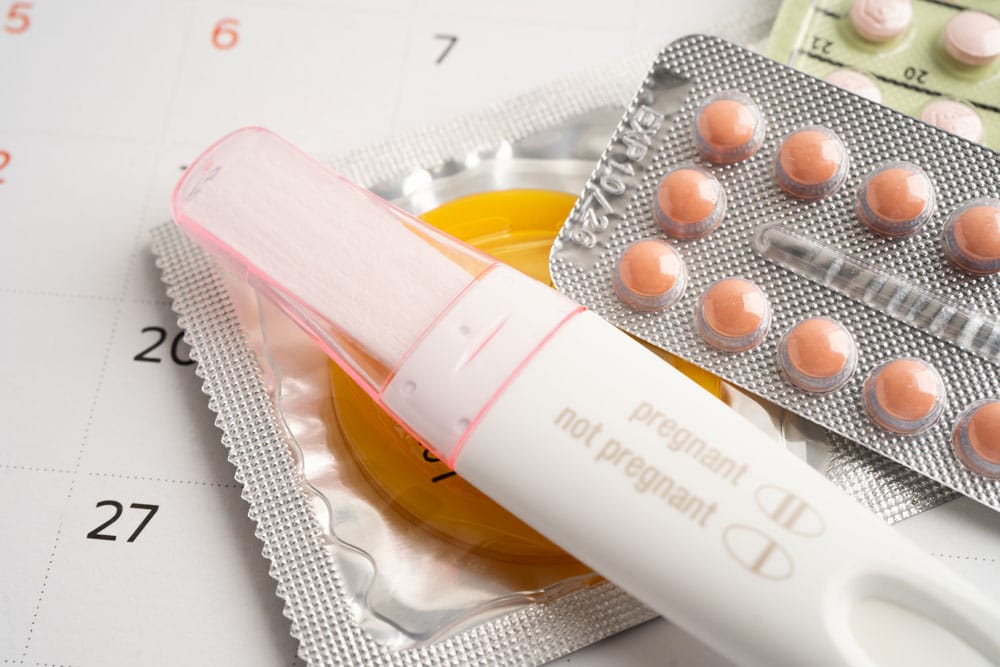
Understanding STIs/STDs is powerful, but knowing how to prevent them is truly empowering. This isn’t about fear; it’s about making informed choices that protect yourself and your partners, allowing for healthy, fulfilling sexual lives. Prevention is a shared responsibility, and the good news is that there are many effective strategies available, designed to fit every body and every type of relationship across the globe.
The cornerstone of STI prevention lies in safer sex practices. These aren’t just rules; they’re tools and communication strategies that allow intimacy to flourish safely.
Condom Use (Male/External and Female/Internal Condoms): Your Reliable Allies
Condoms remain one of the most accessible and effective tools against many STIs and unintended pregnancies. But it’s not just about having them; it’s about using them correctly and confidently.
Detailed Guidance for Every Type of Penetrative Sex
Whether it’s vaginal sex, anal sex, or oral sex, the principles of correct condom use apply. For external (often called “male”) condoms, always check the expiry date, tear the packet carefully (avoiding teeth or nails), and apply it to an erect penis before any skin-to-skin genital contact occurs.
Pinch the tip to remove air, unroll it all the way down to the base, and withdraw immediately after ejaculation while still erect, holding the base of the condom. For internal (often called “female”) condoms, these can be inserted into the vagina or anus before any sexual activity begins.
They are pre-lubricated and lined with two rings, one at the closed end, inserted deeply, and another at the open end that remains outside the body. Learning to insert and remove them correctly, and ensuring they remain in place during sex, is key. Practice builds confidence, transforming what might feel awkward into a routine part of enjoyable intimacy.
Addressing Unique Considerations for Diverse Bodies
We know that bodies come in all shapes and sizes, and so do condoms. It’s crucial to find a fit that is comfortable and secure.
For individuals with penises, this means exploring different condom sizes, a condom that’s too tight can break, and one that’s too loose can slip off. For trans men on testosterone, whose penis might be undergoing changes due to hormone therapy (e.g., phalloplasty or metoidioplasty), finding comfortable and appropriate barrier methods is equally important.
This might involve exploring various types of external condoms or other barriers that best suit their unique anatomy and comfort level. The key is to ensure the barrier method fits well and stays in place throughout the sexual act, regardless of the specific anatomy.
Strategies for Negotiating Condom Use Respectfully

Conversations about condoms can feel tricky, but they are a vital part of consent and care.
This is especially true within diverse relationship dynamics, including queer and polyamorous relationships across different cultures, where assumptions about sexual practices or risk might not apply.
Start by framing the discussion around mutual care and protection: “Let’s make sure we’re both protected.” Be honest about your comfort level and expectations. For polyamorous relationships, clear communication about everyone’s STI status and preferences for barrier methods with different partners is paramount, requiring even more open and frequent dialogue.
Cultural contexts also play a role; in some societies, discussing condoms openly might be taboo. In such cases, discreet communication and ensuring easy, private access to condoms become even more critical. The goal is always to foster an environment of trust where both (or all) partners feel comfortable discussing and using barrier methods.
Discussing Access, Cost, and Cultural Barriers to Condom Use in Diverse Global Contexts
Despite their effectiveness, condoms aren’t universally accessible. In many parts of the world, particularly in low-income settings, condoms can be expensive, difficult to find in discreet locations, or carry a social stigma that discourages their purchase and use.
Cultural or religious beliefs might also discourage or outright forbid condom use. For instance, in some regions, condoms might be seen as promoting promiscuity, or their use might imply a lack of trust in a partner.
Addressing these barriers requires a multipronged approach. Advocating for affordable or free condom distribution, promoting comprehensive and culturally sensitive sexual health education that debunks myths, and empowering individuals to assert their right to safer sex.
Other Barrier Methods: Expanding Your Protective Toolkit
While condoms are excellent, other barrier methods also play a crucial role in preventing STI transmission, especially for sexual acts not involving penetrative sex with a penis.
- Dental Dams: These thin, square sheets of latex or silicone are designed to prevent the direct exchange of fluids and skin-to-skin contact during oral-genital (cunnilingus) or oral-anal (rimming) sex. By placing a dental dam over the vulva or anus, you create a protective barrier. They’re particularly important because many STIs, like herpes, HPV, gonorrhoea, and chlamydia, can be transmitted through these routes.
- Gloves: For manual-vaginal or manual-anal sexual activity (“fingering” or “fisting”), clean, non-latex gloves can offer a valuable barrier, especially if there are cuts or open sores on the hands or genitals/anus. This helps prevent the transmission of blood-borne STIs or those that pass through skin-to-skin contact.
- Emphasising that Safe Sex is About Protecting All Partners: The core message here is mutual care. Regardless of the specific act or the partners involved, safer sex isn’t about placing blame or suspicion on one person. It’s about a shared commitment to health and well-being, ensuring that everyone feels protected and respected in their sexual encounters.
Vaccination (HPV, Hepatitis B): Proactive Protection for a Healthier Future
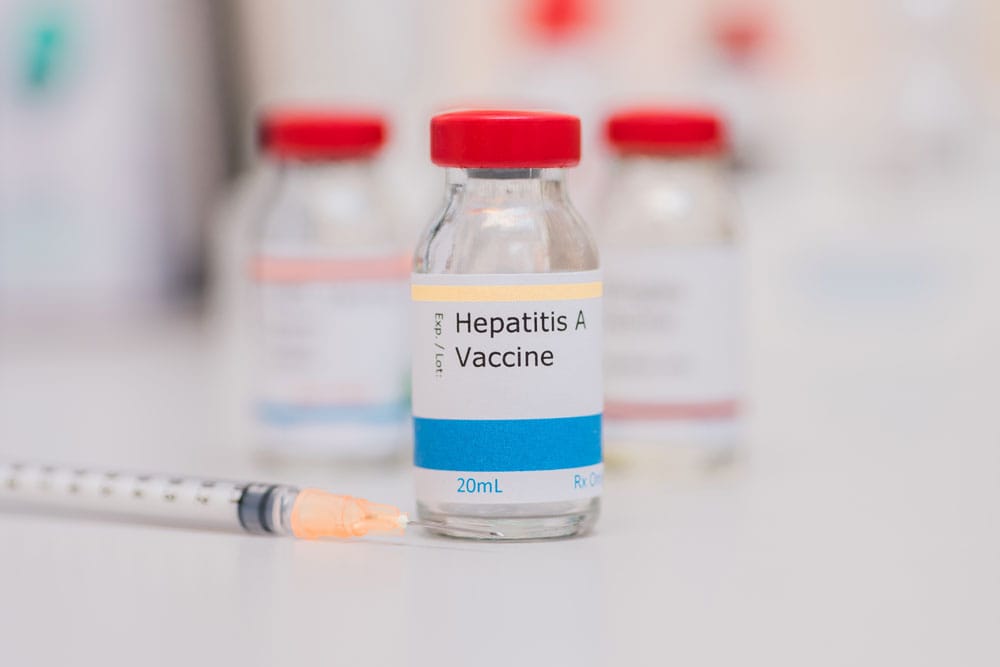
Beyond barrier methods, vaccines offer another powerful layer of protection against specific STIs, safeguarding individuals for years to come.
Universal Importance
Vaccination is a game-changer for public health. Stressing the critical importance of vaccination for all eligible individuals globally is paramount, regardless of their assigned sex at birth, current gender, or sexual orientation. These vaccines protect against specific viruses that can cause serious long-term health issues.
Highlighting Specific Benefits
HPV (Human Papillomavirus) Vaccine: This vaccine protects against the most common types of HPV that cause genital warts and, more importantly, various cancers, including cervical, anal, throat, penile, and vulvar cancers. It’s vital to highlight its benefits for everyone:
- For cisgender women, it’s crucial for preventing cervical cancer.
- For cisgender men, it prevents genital warts and reduces the risk of anal, penile, and throat cancers.
- For trans men, trans women, and non-binary people, regardless of their assigned sex at birth, the vaccine is equally important for preventing HPV-related cancers relevant to their current anatomy and sexual practices. For instance, a trans woman may still be at risk for anal cancer, and a trans man may still be at risk for cervical cancer if he retains his cervix.
Hepatitis B Vaccine
This vaccine protects against the Hepatitis B virus, which can cause severe liver disease, including cirrhosis and liver cancer, and can be transmitted sexually. It’s often part of routine childhood immunisations in many countries, but ensuring all sexually active adults are vaccinated is a key preventative step.
Addressing Vaccine Hesitancy and Advocating for Equitable Access in Diverse Global Communities: Despite their proven effectiveness, vaccine hesitancy and misinformation can be significant barriers. This can be due to unfounded fears, lack of awareness, or distrust in healthcare systems.
Education campaigns are vital to counter these narratives. Furthermore, ensuring equitable access to these vaccines is a global challenge. In many low-income countries, vaccine programmes might be limited or costly, preventing widespread uptake.
Overcoming Barriers & Hesitancy
Despite the effectiveness of vaccines, challenges like misinformation, fear, and limited access persist, especially in underserved or low-income communities.
- Education: Campaigns that provide clear, culturally sensitive information can counter myths and foster trust.
- Access & Advocacy: Strengthening global and national vaccination programs, offering vaccines at low or no cost, and reaching remote populations are crucial steps forward.
Vaccination is more than protection; it’s empowerment. Let’s help every person access this vital shield, wherever they are and whoever they are.
Impact of STIs/STDs on Sexual Health: Beyond Physical Symptoms

Sexually transmitted infections (STIs/STDs) can cause immediate discomfort, but the deeper impact lies in long-term physical, emotional, and reproductive consequences. These effects aren’t evenly distributed across populations: they disproportionately affect people already facing systemic barriers to care, such as poverty, stigma, or discrimination.
Long-Term Consequences of Untreated STIs
Many STIs are silent and show no symptoms, allowing infections to progress unnoticed. Without timely diagnosis and treatment, they can lead to serious, life-altering conditions:
For individuals with uteruses:
- Chlamydia and gonorrhea can lead to Pelvic Inflammatory Disease (PID).
- PID increases the risk of infertility, chronic pelvic pain, and dangerous ectopic pregnancies.
For individuals with testes:
- These infections may cause epididymitis or orchitis, affecting sperm production and fertility.
Emotional & Mental Toll:
- Infertility or chronic pain affects self-esteem, relationships, and mental health.
For anyone:
- Untreated herpes leads to frequent outbreaks.
- STIs like syphilis can cause serious organ damage (e.g., neurosyphilis, cardiovascular complications).
- Hepatitis B may result in cirrhosis or liver cancer.
- High-risk HPV is linked to cervical, anal, penile, vulvar, and throat cancers.
STIs & HIV Risk: An Overlooked Connection
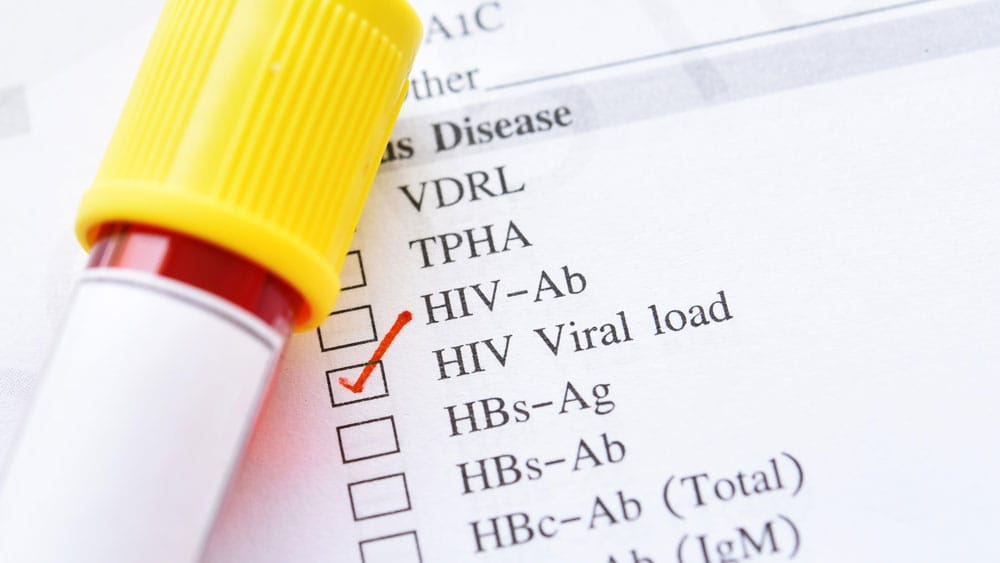
STIs that cause open sores (e.g., herpes, syphilis) or inflammation (e.g., gonorrhea) increase the chance of acquiring and transmitting HIV by creating easier entry points during sexual contact.
Inclusive Health Understanding: Gender Identity & Anatomy
STI impacts vary depending on anatomy, not gender identity.
- Trans men with retained cervices and uteruses still face risks for PID, cervical cancer, and infertility, even with masculinizing hormone therapy.
- Everyone with a cervix is at risk for HPV-related cervical cancer.
- Anyone engaging in anal sex, regardless of gender, is at risk for anal cancer.
Health screenings must reflect actual anatomy and sexual practices, not assumptions based on assigned sex or gender identity.
Global Disparities in STI Care
Marginalized individuals often face the harshest outcomes, not because of biological differences, but due to systemic obstacles:
- Limited access to clinics, especially in rural or low-income areas.
- Unaffordable treatment or lack of healthcare coverage.
- Stigma and fear, which deter people from seeking timely care.
For example:
- A remote rural resident might delay treating syphilis due to clinic scarcity.
- A migrant fearing deportation may avoid care altogether, even with severe symptoms.
These delays lead to worse health outcomes and deepen health inequities.
Reproductive Health Rights & Equity
An STI that causes infertility or chronic pain isn’t just a medical condition; it’s a human rights issue.
Everyone deserves the ability to decide if and when to have children, enjoy fulfilling sexual lives, and access fertility-preserving options (like sperm or egg cryopreservation).
Every person, regardless of gender identity, sexual orientation, or economic background, has the right to:
- Empathetic counseling
- Accurate information
- Effective, accessible medical care
- Reproductive autonomy
Continue reading:
- Navigating Sexual Health and STIs/STDs: An Inclusive Guide for Everyone – Part 1
- Navigating Sexual Health and STIs/STDs: An Inclusive Guide for Everyone – Part 2
Written by: Chinyere Okafor