
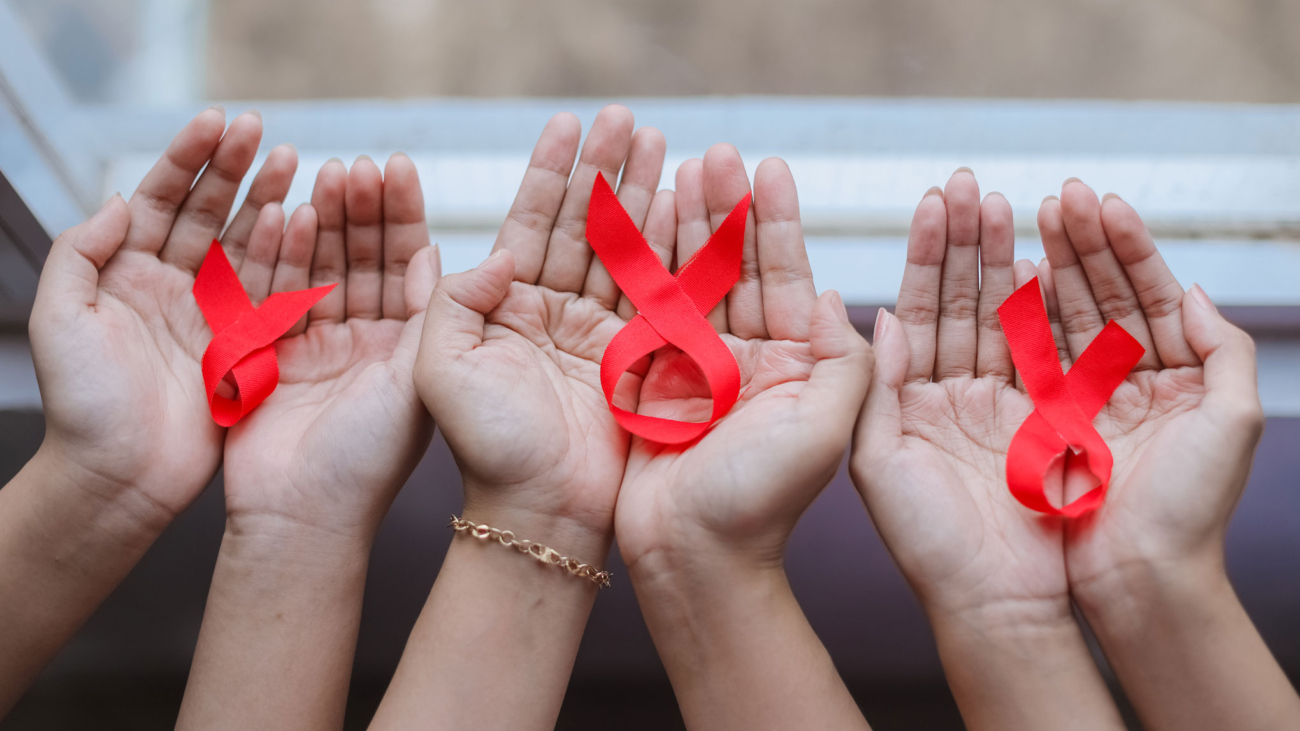
Introduction: Why Sexual and Reproductive Health Matters in Humanitarian Emergencies
“Dignity doesn’t stop at the border.”
When people think about emergencies, such as war, floods, or forced displacement, the first things that come to mind are food, water, and shelter. These are essential, no doubt. But another need is just as important, yet often ignored: sexual and reproductive health.
This includes care for pregnant women, access to family planning, protection from sexual violence, and treatment for infections such as HIV and other sexually transmitted diseases. These are not optional services. They are basic health needs that affect people’s safety, dignity, and ability to recover from a crisis.
In humanitarian emergencies, health systems are often broken. Hospitals may be damaged or completely shut down. Clinics might be too far away or lack the necessary supplies and staff to provide effective help. For many people, especially women and girls, this means they are left without support during some of the most vulnerable moments of their lives.
Imagine a woman who is about to give birth in a crowded camp with no midwife or doctor nearby, or a teenage girl who has survived sexual violence but has no safe place to report it or receive care. These are not rare situations. They occur daily in areas affected by conflict, disaster, and displacement.
Sexual and reproductive health is not just about physical care. It is about protecting people’s rights, giving them control over their bodies, and helping them rebuild their lives with dignity. When these services are available, people are better able to recover, care for their families, and make informed decisions about their future.
This article is written to help you understand why sexual and reproductive health matters during emergencies. It will explain the risks people face, the support they need, and how we can all play a role in making sure no one is left behind, especially in times of crisis.
Hidden Dangers: Sexual Health Risks in Refugee Camps and Conflict Zones
“Silence in a camp can cost lives.”
When people are forced to flee their homes due to war, violence, or natural disasters, they often seek refuge in camps or temporary shelters. These environments are meant to offer safety and stability, but they also come with hidden dangers that are rarely discussed.
Among the most overlooked is sexual and reproductive health. In the chaos of displacement, access to care becomes limited, privacy disappears, and vulnerability increases.
To understand the full scope of this crisis, we must examine the structural breakdowns, the lived experiences of affected populations, and the barriers that prevent people from seeking help.
Fragile Health Systems and the Silent Emergency
In many crisis zones, health systems are overwhelmed or entirely broken. Hospitals may be damaged, clinics understaffed, and essential medicines unavailable.
Sexual and reproductive health services, such as pregnancy care, contraception, and treatment for infections, are often the first to disappear. This creates a silent emergency, where thousands of displaced individuals are left without the care they need to stay safe and healthy.
Vulnerable Populations and Invisible Struggles
Women and girls are disproportionately affected, facing unsafe pregnancies, sexual violence, and exploitation. Men and boys also experience sexual health challenges, though their struggles are often less visible.
Cultural taboos and stigma further isolate individuals, making it difficult to seek help or even speak openly about their needs. These invisible struggles compound the trauma of displacement and deepen the need for targeted support.
Barriers to Care: Privacy, Education, and Human Rights
Overcrowded camps offer little privacy, making it difficult to access sexual health services or report abuse. Fear of judgment and punishment often silences those most in need. Young people, especially adolescents, are at high risk due to a lack of education and guidance.
These barriers are not just logistical; they are deeply tied to human dignity and justice. Without access to care and information, individuals are denied the right to protect their bodies and rebuild their lives.
Survivor Stories: Real-Life Experiences of Sexual Health Challenges in Crisis Settings
In humanitarian emergencies, statistics often dominate the headlines: numbers of displaced people, aid deliveries, and infrastructure damage. But behind every number is a human story. These are the voices of individuals navigating sexual health challenges in environments where support is scarce, stigma is strong, and silence is common.

Their experiences reveal the emotional and physical toll of crisis and the urgent need for inclusive, compassionate care. The following stories reflect the broader struggles faced by millions around the world.
Unsafe Births and the Absence of Medical Support
In many crisis settings, pregnant women face childbirth without access to trained professionals or medical facilities. One woman, displaced by violence, found herself in a temporary shelter as her due date approached. The local clinic had shut down, and she was forced to deliver her baby with the help of neighbors who had no medical experience.
The delivery was painful and risky, and she later developed complications that could have been prevented with basic care. Her story is tragically common; many women in refugee camps and disaster zones give birth in unsafe conditions, risking their lives and the health of their newborns.
Silence, Stigma, and the Struggle to Seek Help
Sexual violence is a harsh reality in many humanitarian settings, yet survivors often remain silent due to fear, shame, or lack of access to support. A teenage girl was assaulted while collecting water for her family. Terrified of being blamed or judged, she kept quiet for days.
When she finally confided in a volunteer, she learned that services existed, but they were far away and difficult to reach. Without transportation or protection, she remained untreated and isolated. Her experience highlights how stigma and logistical barriers can prevent survivors from accessing the care they need to heal.
Invisible Needs and the Importance of Inclusive Care
Sexual health challenges affect people of all genders, but services in crisis zones often focus narrowly on maternal care. A young man living in a displacement camp struggled with a sexually transmitted infection. He had no access to accurate information and felt embarrassed to ask for help.
The available health services did not address his needs, and his condition worsened over time, affecting his confidence and emotional well-being. His story underscores the importance of inclusive care; sexual health services must be designed to support everyone, regardless of gender, age, or background.
These stories are not confined to one region or culture. They are unfolding in refugee camps, urban shelters, and disaster zones across the globe. They reveal the gaps in humanitarian response and the resilience of individuals who continue to seek help, speak out, and support one another despite the odds.
Listening to survivor stories moves the conversation beyond policy and into the realm of lived experience. It reminds us that sexual health is not a secondary concern; it is central to recovery, dignity, and justice.
By sharing these voices, we build empathy, raise awareness, and push for systems that protect and empower people in crisis. Every story matters. Every voice deserves to be heard. And every person, no matter where they are, deserves access to care that respects their body, their choices, and their humanity.
Humanitarian Aid and NGOs: Delivering Sexual Health Services in Disaster Zones
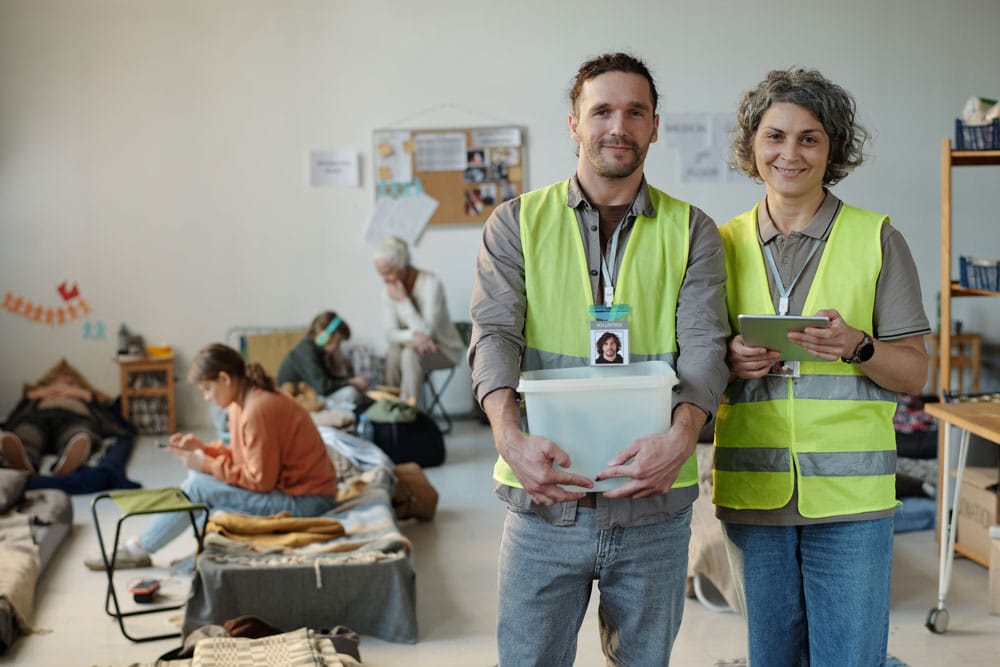
In times of crisis, humanitarian aid is often the only source of support for displaced and vulnerable populations. While food, water, and shelter are immediate priorities, sexual and reproductive health services are just as critical, yet frequently overlooked.
These services protect lives, restore dignity, and help people regain control over their bodies and futures. To understand how sexual health care is delivered in disaster zones, we must examine the frontline efforts, the tools and partnerships that make it possible, and the barriers that still stand in the way.
Frontline Care in Fragile and Overwhelmed Settings
Non-governmental organizations (NGOs) and global health agencies operate in some of the most challenging environments, conflict zones, refugee camps, and disaster-stricken regions, where local health systems have collapsed or are severely strained.
Their work includes providing prenatal and postnatal care, distributing contraceptives, treating sexually transmitted infections, and supporting survivors of sexual violence.
Often working out of tents, mobile clinics, or temporary shelters, aid workers deliver essential services despite damaged infrastructure, blocked roads, and limited supplies. Their presence ensures that thousands of people receive care that would otherwise be unavailable.
“Access is not charity; it’s a human right.”
Tools, Training, and Community Partnerships
One of the most effective tools in emergency sexual health response is the reproductive health kit. These kits contain supplies for safe childbirth, post-rape care, and infection prevention and are designed for rapid deployment in low-resource settings.
Beyond supplies, many NGOs invest in training local volunteers and health workers, empowering communities to provide care, prevention, and education even when professional help is scarce.
Collaboration is central to success; international organizations often partner with local groups who understand cultural norms and can build trust with affected populations. This ensures that services are inclusive, respectful, and tailored to the community’s needs.
Navigating Barriers: Funding, Taboos, and Policy Gaps
Despite their critical role, humanitarian organizations face persistent challenges. Funding for sexual health programs is often limited, as these services are mistakenly viewed as secondary to other forms of aid. This forces NGOs to make difficult decisions about where and how to deliver care.
Cultural and political barriers also complicate efforts. In some regions, sexual health remains a taboo subject, making it hard for individuals to seek help and for aid workers to provide services without resistance. Navigating these sensitivities requires cultural competence, diplomacy, and a deep commitment to human rights.
Humanitarian organizations continue to advocate for sexual health as a core part of disaster response, not just to treat illness, but to restore dignity and protect rights. Their work sends a powerful message: that every person, regardless of their situation, deserves access to care that respects their body, their choices, and their humanity.
Sexual Health Education in Emergencies: Empowering Women, Youth, and Vulnerable Groups
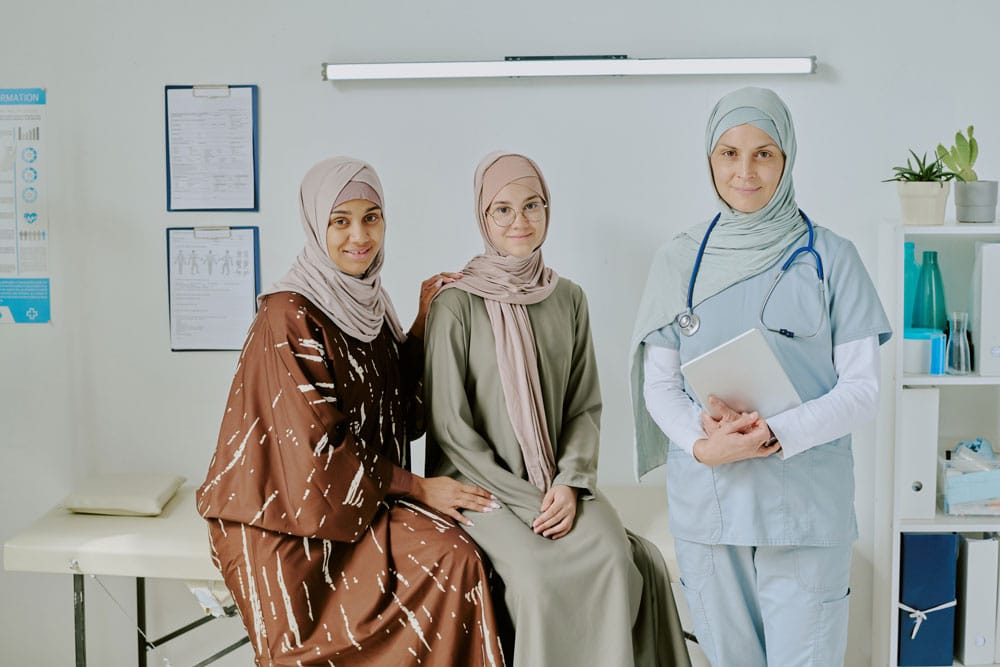
“Education is prevention; stigma is the enemy.”
In humanitarian crises, education is often one of the first casualties of war. Schools close, families scatter, and communities shift into survival mode.
Yet even amid chaos, sexual health education remains essential. It equips people with knowledge to protect themselves, make informed decisions, and reclaim control over their bodies.
For women, youth, and vulnerable groups, this education is not just informative; it’s transformative. To understand its impact, we must explore the risks, the delivery methods, and the need for inclusive outreach.
Rising Risks and the Urgent Need for Education
Emergencies—whether triggered by conflict, climate disasters, or displacement—create environments where sexual health risks multiply. People may be exposed to sexual violence, lack access to contraception, or face unsafe pregnancies.
Without education, many people are unaware of how to respond, where to seek help, or what rights they have. This leaves them vulnerable to exploitation, illness, and trauma.
Sexual health education in these settings is more than information; it’s empowerment. It helps individuals understand consent, recognize abuse, and challenge harmful myths that silence conversations around sexuality and reproductive health.
Creative Delivery in Challenging Conditions
Humanitarian organizations and local health workers use innovative methods to deliver sexual health education in emergencies. In some camps, trained peer educators lead small group discussions.
In others, radio programs, illustrated booklets, or mobile apps reach those who cannot read or attend formal sessions. These approaches are designed to be inclusive, culturally sensitive, and emotionally supportive.
They adapt to the realities of displacement, ensuring that education is accessible even in the most resource-constrained environments. By embedding education into everyday spaces, clinics, food distribution points, youth centers, and organizations make learning safe and practical.
Reaching Those Most at Risk
Women and girls often face the greatest barriers to sexual health education. Cultural norms may discourage them from speaking openly or asking questions. Displacement can sever the support networks they once relied on.
Providing safe spaces, led by female health workers, community leaders, or trained peers, allows them to learn, share, and ask questions without fear. Adolescents, navigating puberty and relationships in unfamiliar settings, need education that speaks to their realities.
Vulnerable groups, including people with disabilities, LGBTQ+ individuals, and survivors of violence, require tailored approaches that respect their experiences. When these groups are included, education becomes a tool for healing, resilience, and justice.
Despite its importance, sexual health education in emergencies is often underfunded and undervalued. Cultural resistance and limited resources can stall progress.
But when done well, education becomes a form of protection, helping people stay healthy, avoid exploitation, and rebuild their lives with confidence. In every crisis, education is more than a lesson; it’s a lifeline. Prioritizing sexual health education is a step toward recovery, equality, and lasting change.
Barriers to Sexual Health Access: Funding Gaps, Cultural Taboos, and Policy Failures

Access to sexual health services is a fundamental part of human well-being, yet in many humanitarian settings, it remains one of the most neglected areas of care. Emergencies, whether caused by war, natural disasters, or displacement, often expose deep cracks in health systems.
These cracks are not just logistical; they are shaped by financial limitations, cultural resistance, and policy shortcomings that prevent people from receiving the care they urgently need.
Funding Gaps: When Sexual Health Is Deprioritized
One of the most persistent challenges is the lack of adequate funding. In many humanitarian responses, sexual and reproductive health services are treated as secondary needs.
Resources are often directed toward food, water, and shelter, while sexual health programs receive only a fraction of the support. This underfunding affects everything, from the availability of contraceptives and emergency kits to the training of health workers and outreach efforts.
Without consistent financial support, clinics may operate with limited supplies, staff may be overwhelmed, and mobile services may be forced to shut down. The result is that thousands of people, especially women, adolescents, and survivors of violence, are left without access to care that could protect their health and dignity.
Cultural Taboos: Silence That Harms
In many communities, sexual health is a sensitive topic. Cultural beliefs, religious teachings, and social norms can make it difficult to talk openly about issues like contraception, menstruation, sexually transmitted infections, and sexual violence. This silence can be dangerous. It prevents people from seeking help, asking questions, or even acknowledging their needs.
Women and girls may be discouraged from discussing their bodies. Survivors of sexual violence may fear being blamed or shamed. Young people may rely on misinformation from peers or social media. LGBTQ+ individuals may face discrimination or exclusion. These taboos create an environment where sexual health is hidden, misunderstood, and often ignored.
Breaking these barriers requires more than just information; it requires trust, respect, and culturally sensitive approaches that allow communities to engage without fear or judgment.
Policy Failures: When Systems Work Against the Vulnerable
Even when funding and cultural acceptance are present, policies can still stand in the way. In some countries, laws restrict access to contraception or limit sexual health education in schools.
Others may lack clear guidelines for responding to sexual violence or supporting marginalized groups. These policy gaps leave humanitarian organizations without the tools they need to respond effectively.
In crisis settings, delays in policy approval, lack of coordination between agencies, and political resistance can slow down or block the delivery of essential services. Survivors may be forced to navigate complex legal systems just to access care.
Health workers may be unsure of what they are allowed to provide. And entire communities may be left without protection simply because the law does not recognize their needs.
The Cost of Inaction
When sexual health access is denied or delayed, the consequences are severe. Unintended pregnancies, untreated infections, and unaddressed trauma can affect individuals for years.
Families may struggle to care for newborns without support. Survivors may carry emotional wounds that impact their relationships, education, and livelihoods. And communities may face long-term health challenges that could have been prevented with timely care.
Toward Health Equity: Removing the Barriers
Addressing these barriers requires a commitment to health equity. That means ensuring that sexual health services are available to everyone, regardless of gender, age, ability, or background. It means funding programs that prioritize dignity and choice.
It means challenging harmful norms and advocating for policies that protect and empower. And it means listening to communities and involving them in the design and delivery of care.
Sexual health access should not depend on geography, politics, or social status. In humanitarian settings, it must be treated as a core part of the response. Only then can we build systems that are inclusive, resilient, and just—systems that protect not only lives but also the dignity and rights of every person.
Sustainable Solutions: Integrating Sexual Health into Humanitarian Response Plans
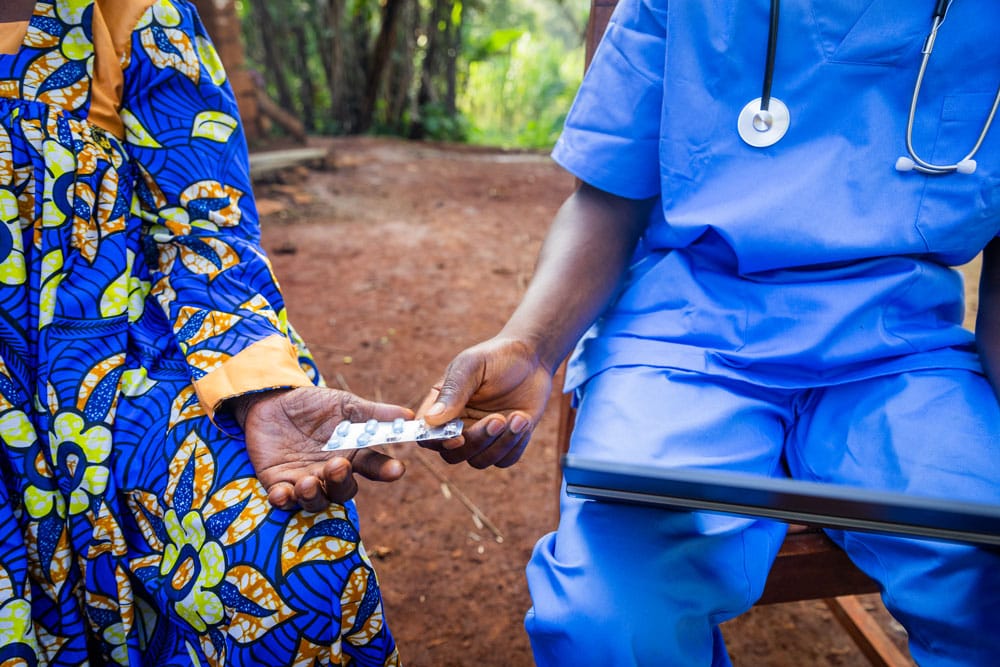
In humanitarian emergencies, sexual and reproductive health is often treated as a short-term concern, something to be addressed quickly and temporarily. But the reality is that these needs do not disappear once the immediate crisis fades.
They continue long after the headlines move on. That’s why sustainable solutions are essential. Sexual health must be built into the foundation of humanitarian response, not added as an afterthought.
To create lasting impact, sexual health services must be integrated into every stage of emergency planning, from preparedness and early response to recovery and long-term development.
This means recognizing sexual health as a core part of global health strategy, alongside nutrition, sanitation, and disease prevention. When sexual health is prioritized, communities are better equipped to protect themselves, rebuild, and thrive.
Embedding Sexual Health in Emergency Planning
Sustainable integration begins with thoughtful planning. Humanitarian agencies must include sexual and reproductive health in their emergency response frameworks.
This involves budgeting for supplies, training staff, and ensuring that services are available from the very start of a crisis. It also means preparing for long-term needs, such as ongoing maternal care, family planning, and support for survivors of violence.
When sexual health is embedded into planning documents, funding proposals, and operational guidelines, it becomes part of the system, not something that disappears when resources are stretched.
Strengthening Local Capacity
Cross-Sector Collaboration
Sexual health does not exist in isolation. It intersects with education, protection, nutrition, and mental health. Sustainable solutions require collaboration across sectors.
For example, schools in displacement camps can offer sexual health education. Protection services can refer survivors to clinics. Food distribution centers can include information about family planning.
By working together, humanitarian actors can create a network of support that addresses the full range of needs. This approach is more efficient, more inclusive, and more responsive to the realities of crisis-affected communities.
Policy Support and Advocacy
Sustainability also depends on supportive policies. Governments and humanitarian organizations must work together to remove legal barriers, update health regulations, and ensure that sexual health is included in national emergency plans.
Advocacy plays a key role in this process. When communities, civil society groups, and global health leaders speak out, they can influence policy and secure long-term commitments.
Clear, inclusive policies create an environment where sexual health services can grow and adapt. They protect the rights of individuals and ensure that care is available to everyone, regardless of gender, age, or background.
Community Engagement and Ownership
Finally, sustainable solutions must be shaped by the people they serve. Community members should be involved in designing, delivering, and evaluating sexual health programs. Their insights, experiences, and feedback are essential for creating services that are respectful, effective, and empowering.
When communities take ownership of sexual health initiatives, they become advocates, educators, and protectors. This builds resilience and ensures that progress continues even in the face of future challenges.
Sustainable integration of sexual health into humanitarian response is not just a technical goal; it is a moral responsibility. It means building systems that protect lives, uphold dignity, and support recovery.
It means planning for the future, not just reacting to the present. And it means ensuring that every person, in every crisis, has access to care that respects their body, their choices, and their humanity.
Take Action: How to Support Sexual Health Initiatives in Crisis-Affected Communities
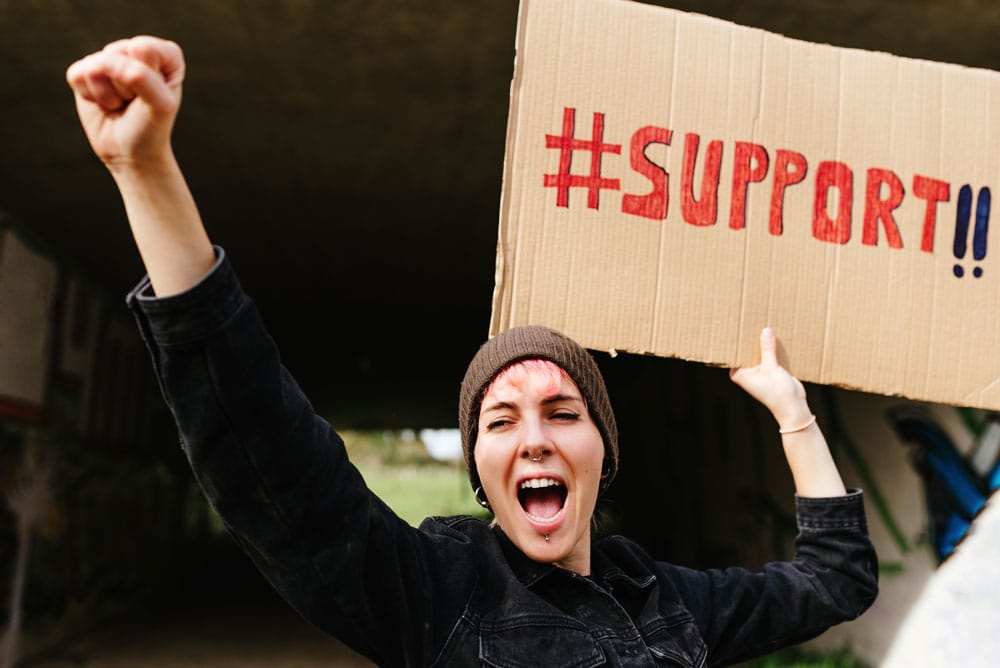
Supporting sexual health in crisis-affected communities is not limited to governments or humanitarian organizations. Every day, people—students, professionals, parents, and activists—can play a meaningful role in protecting lives and restoring dignity.
Whether through advocacy, donations, or volunteering, there are many ways to contribute to this vital cause.
Raise Awareness Through Advocacy
One of the most powerful tools is your voice. Advocacy helps bring attention to issues that are often ignored or misunderstood. By speaking out about the importance of sexual health in emergencies, you help shift public opinion and influence decision-makers.
You can:
- Share educational content on social media to inform others.
- Write articles, blog posts, or letters to local newspapers.
- Engage with policymakers to support inclusive health policies.
- Organize community discussions or school events to break taboos.
Advocacy is about changing the narrative. When more people understand the challenges faced by displaced individuals, especially women, youth, and vulnerable groups, there is greater pressure to fund and prioritize sexual health services.
Support Through Donations
Financial support is essential for organizations working on the ground. Many NGOs and global health groups rely on donations to provide medical supplies, train health workers, and deliver education programs.
You can:
- Make one-time or monthly contributions to trusted organizations.
- Support emergency campaigns during natural disasters or conflicts.
- Encourage others to donate by sharing verified fundraising links.
- Choose to fund specific services, such as maternal care or youth education.
Even small donations can make a big difference. A few dollars can help provide contraceptives, hygiene kits, or counseling sessions for someone in need.
Volunteer Your Time and Skills
Volunteering is another way to make a direct impact. Some organizations offer opportunities to work in the field, while others need support with logistics, communications, or fundraising.
You can:
- Volunteer locally with health-focused NGOs or youth groups.
- Offer professional skills—such as translation, graphic design, or data analysis.
- Help organize donation drives or awareness events in your community.
- Mentor or support peer educators working in vulnerable areas.
If travel is not possible, remote volunteering can still be valuable. Many organizations welcome digital support, especially in outreach and education.
Support Local Initiatives
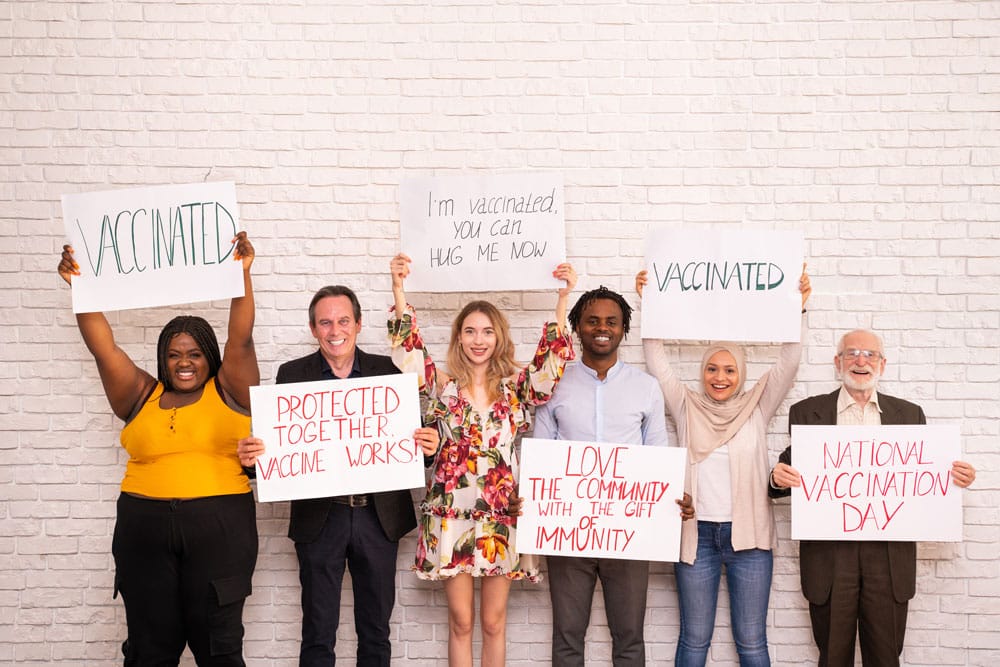
In many communities, grassroots organizations are leading the way. These groups understand the local culture, speak the language, and have built trust with the people they serve. Supporting them helps strengthen long-term solutions.
You can:
- Partner with local health educators or youth advocates.
- Promote community-led campaigns and events.
- Help amplify their voices through media and storytelling.
Local initiatives often operate with limited resources but have a deep impact. Your support can help them grow and reach more people.
Stay Informed and Engaged
Taking action also means staying informed. Learn about the issues, follow updates from humanitarian organizations, and educate yourself on the realities of sexual health in crisis settings.
You can:
- Subscribe to newsletters from global health agencies.
- Attend webinars or workshops on humanitarian health.
- Read survivor stories to understand lived experiences.
Knowledge is power. The more you understand, the more effectively you can support and advocate for change.
Supporting sexual health in crisis-affected communities is not just about charity; it’s about justice, empathy, and solidarity. Every action, no matter how small, contributes to a world where dignity is protected and no one is left behind. Whether you choose to speak, give, volunteer, or learn, your involvement matters.
Conclusion: Restoring Dignity Through Sexual Health Advocacy in Humanitarian Settings

Sexual health advocacy in humanitarian settings is not just about providing medical care; it is about restoring dignity, protecting rights, and ensuring that every person, regardless of their circumstances, is treated with respect and compassion. Emergencies may disrupt lives, but they should never erase the fundamental need for bodily autonomy, safety, and informed choice.
Throughout this article, we’ve explored the many challenges faced by displaced populations: the hidden risks in refugee camps, the lived experiences of survivors, the tireless work of humanitarian organizations, and the systemic barriers that stand in the way of care. We’ve also seen how education, community engagement, and sustainable planning can transform sexual health from a neglected issue into a cornerstone of global health justice.
But none of this progress happens on its own. It requires advocacy that is persistent, informed, and inclusive. Additionally, it requires individuals and communities to speak out, demand better policies, support frontline workers, and challenge the silence that surrounds sexual health in times of crisis. Advocacy is the bridge between awareness and action. It turns compassion into commitment and transforms empathy into impact.
Restoring dignity means more than rebuilding clinics or distributing supplies. It means listening to survivors, respecting cultural contexts, and creating systems that honor the humanity of every individual. It means ensuring that sexual health is not sidelined but recognized as essential to recovery, resilience, and long-term well-being.
As global citizens, we all have a role to play. Whether through education, donations, volunteering, or simply sharing stories, each effort contributes to a world where sexual health is protected, even in the most difficult circumstances. This is not just a health issue; it is a justice issue. And justice, in any setting, begins with dignity.
Written by: Chinyere Okafor