

Introduction: Why Lube is a Game-Changer
Let’s talk about a true game-changer in the bedroom: lubricant.
For too long, there has been a misconception that using lube implies something is “wrong”, that you aren’t aroused enough or that your body isn’t responding “correctly.” This stigma stops many people from experiencing their best sex life. The truth is, natural lubrication fluctuates for everyone due to stress, hormones, medication, or simply the time of the month.
But more importantly, lube isn’t just a fix for dryness; it is an enhancement. Think of it not as a medical necessity, but as a pleasure tool. It reduces friction, increases sensitivity, and makes every touch glide smoothly. Whether you are flying solo or with a partner, incorporating lubricant can elevate the experience from “good” to “sensational.
In this guide, we will break down everything you need to know, from choosing the right formula to mastering techniques that maximize pleasure.
The Essential Types of Lubricants
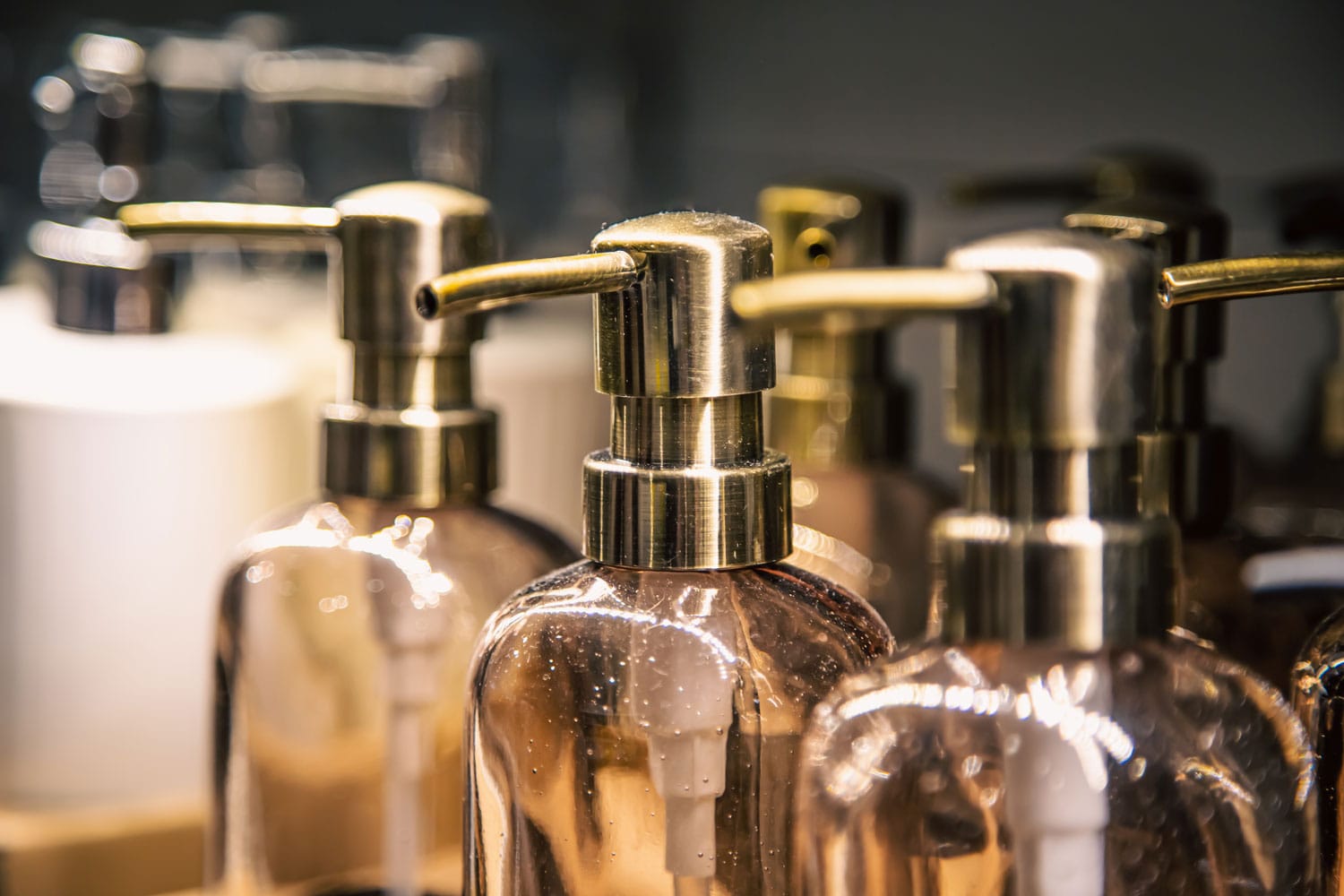
There are several types of lubricants designed specifically for pleasure, each with different ingredients and best-use cases. Understanding the differences is key to choosing the right one for your needs.
Water-Based Lubricants: The Versatile Choice
Water-based lubes are the most popular option because they are incredibly versatile and mimic the body’s natural moisture. They are the safest bet for most activities because they are compatible with all sex toys and latex condoms. Additionally, they are non-staining and easy to clean up with water.
However, water-based formulas tend to evaporate quickly, meaning you may need to reapply them frequently during longer sessions. When choosing a water-based lube, check the label carefully. Avoid those with glycerin, parabens, or sugars, as these additives can cause irritation or yeast infections in some people.
Silicone-Based Lubricants: Long-Lasting Performance
Silicone lubricants provide a velvety, smooth texture that is thicker and much longer-lasting than water-based options. Because silicone molecules do not absorb into the skin or evaporate, they provide a consistent glide that is ideal for anal play or extended sessions. They are also waterproof, making them the perfect choice for sex in the shower or bath.
The downside is that silicone can be messy; it may stain sheets and can make floors very slippery. Crucially, you should never use silicone lubricant with silicone sex toys, as the liquid silicone can degrade the surface of the toy.
Oil-Based Lubricants: For Massage and External Use
Options like coconut oil or vegetable-based lubricants create a luxurious, moisturizing texture that is excellent for slow, sensual massages or hand jobs. They feel great on the skin and last a long time without needing reapplication.
However, oil-based lubes come with significant safety restrictions. Do not use oils with latex condoms, as the oil breaks down the latex and compromises protection against pregnancy and STIs. Furthermore, they are generally not recommended for internal vaginal use, as oil can disrupt the body’s natural biome and increase the risk of infection.
Stimulating Lubricants: Heightening Sensation
These specialty lubricants often include ingredients like menthol, peppermint, or cinnamon to create warming, cooling, or tingling sensations. They are designed to heighten sensitivity and increase blood flow to the clitoris, adding a layer of novelty to sexual play.
While exciting, these ingredients can be intense. It is recommended to use a small amount to test your partner’s reaction first, as some people may find the sensation irritating rather than pleasurable.
Safety First: Choosing the Right Ingredients
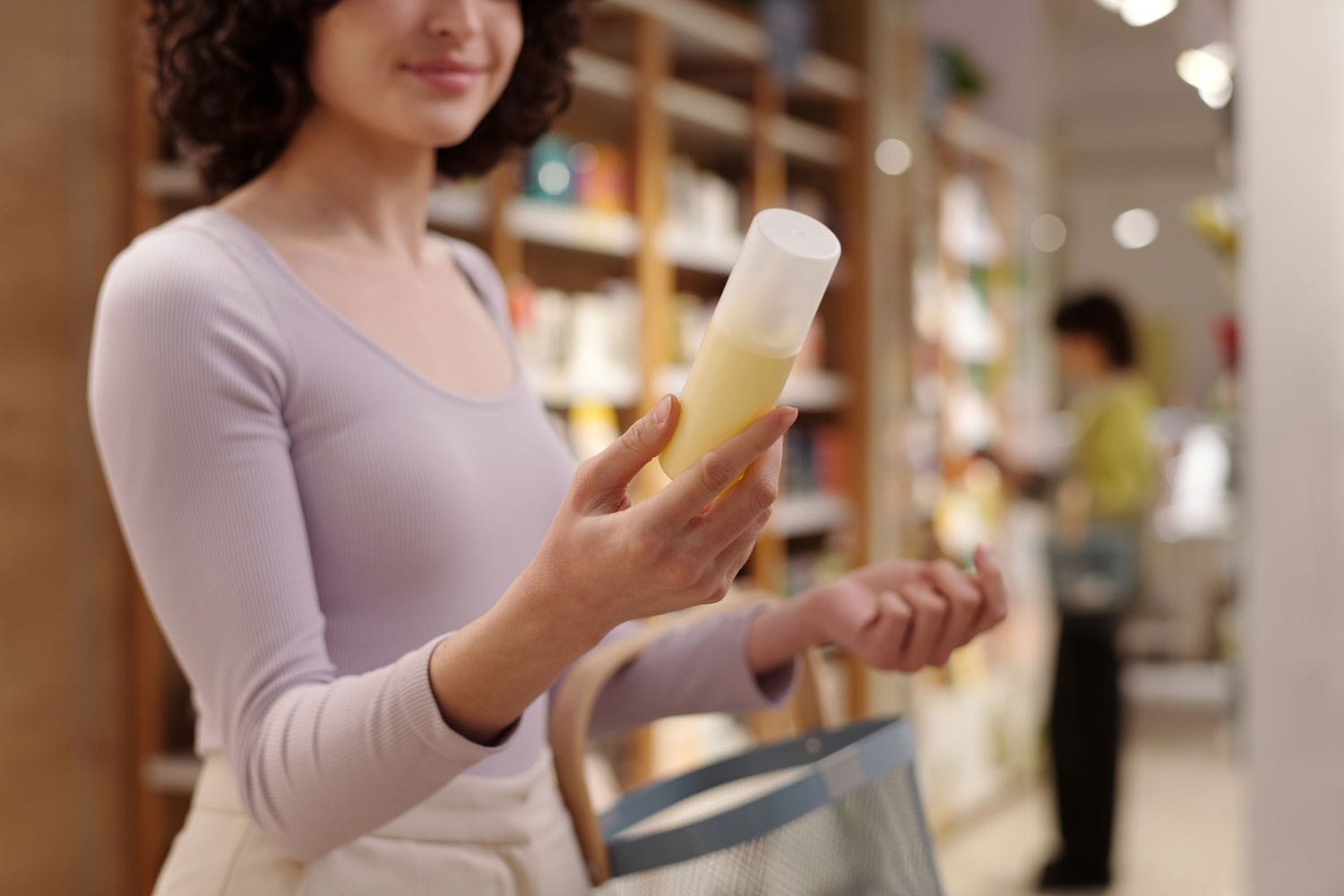
Not all lubricants are created equal. While many products claim to be “body-safe,” some common ingredients can actually cause irritation or infection. Here is what you need to know to protect your sexual health.
Understanding Osmolality
While water-based lubricants are popular, some can be damaging to vaginal tissue if they have a high “osmolality.” Simply put, osmolality refers to the concentration of molecules in the product.
If a lubricant has a high osmolality, it actually draws water out of the vaginal tissue. This dehydrates the cells, causing them to break down. This process not only causes irritation and discomfort but can also increase the likelihood of acquiring a sexually transmitted infection because of the microscopic breaks in the skin. When shopping, look for a product with an osmolality number as close to 300 as possible to match the body’s natural balance.
Harmful Additives: Glycerin, Parabens, and Sugar
The typical lube found at a pharmacy is often loaded with glycerin, a low-cost compound used to create that “glide-y” feeling. However, glycerin is a sugar alcohol that can feed bacteria and yeast. Using lubes with glycerin or parabens is often linked to higher risks of yeast infections and bacterial vaginosis.
Similarly, you should be cautious with flavored lubes. Many contain sugars to create the taste, which can also trigger yeast infections. If you want a flavored option, ensure it uses a body-safe sweetener like stevia or aspartame rather than real sugar.
Why You Should Avoid Numbing Agents
Some lubricants are marketed to “relax” you or numb sensation, particularly for anal play or deep-throating. It is best to avoid these products entirely. Pain is your body’s natural way of signaling you to slow down or stop; if you numb that sensation, you risk injuring or tearing delicate tissue without realizing it.
Household Substitutes to Skip
It can be tempting to reach for household items in the heat of the moment, but you should only use products specifically labeled as personal lubricants. Avoid food items like honey or whipped cream, which can cause infections. Likewise, avoid baby oil, lotion, or petroleum jelly, as these contain irritants and are difficult to wash out of the body.
A Note on Conception
If you are trying to conceive, be mindful of your lube choice. Some research suggests that standard water- and silicone-based lubes can reduce sperm motility (their ability to swim). To be safe, look for lubricants specifically labeled as “sperm-friendly” or fertility-friendly.
Techniques for Incorporating Lubricant
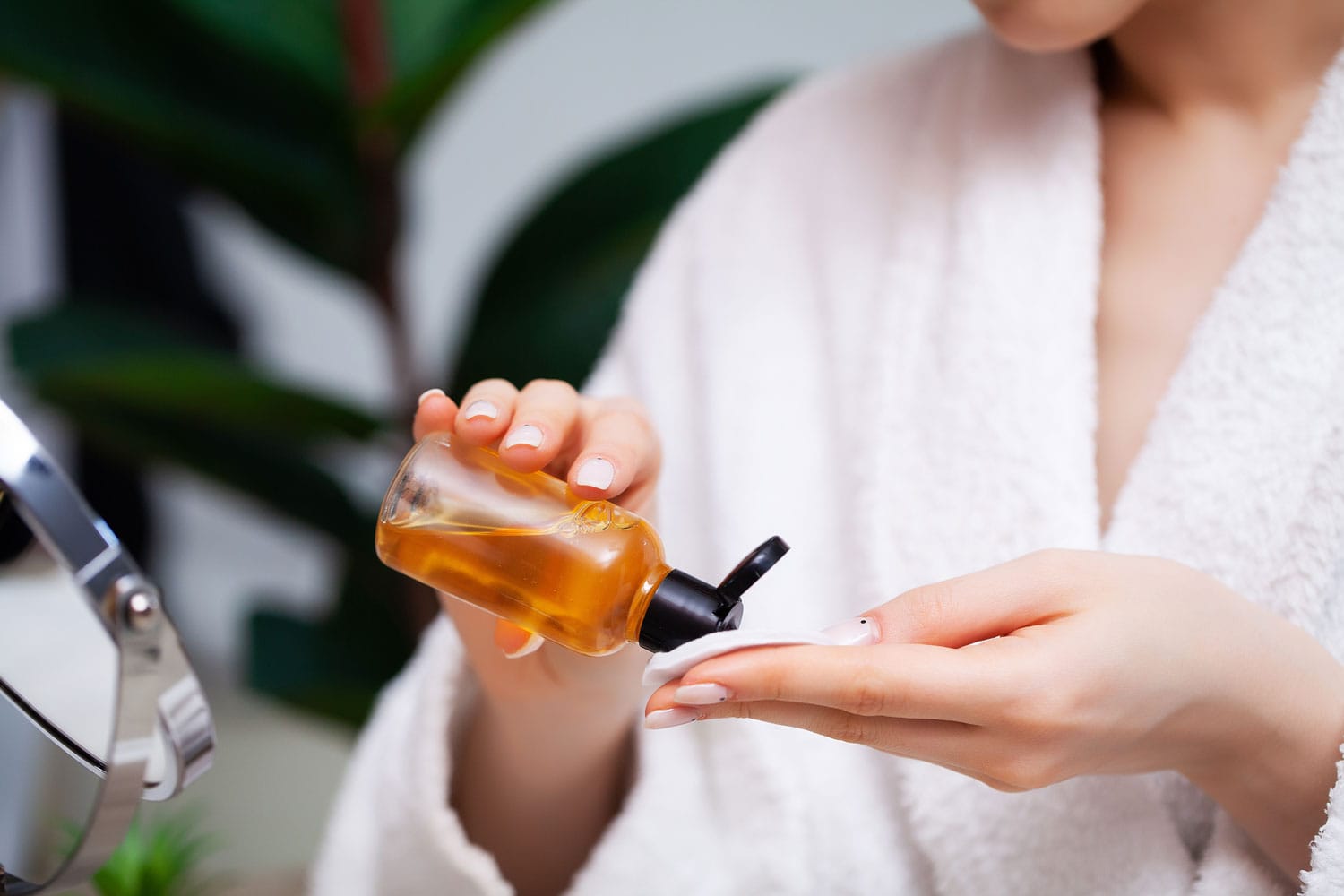
Once you have chosen the right product, the key is knowing how to apply it effectively to enhance different sexual activities. Here is how to incorporate lubricant into your play.
1. Manual Stimulation (Fingering and Handjobs)
Lubricant is a game-changer for manual stimulation. It significantly decreases friction, protecting delicate skin from micro-abrasions while allowing for smoother, faster movements.
- For Handjobs: Apply more lube than you think you need to both hands. This allows for twisting actions and stimulating the entire shaft without friction burn. Using a long-lasting silicone lube is often best here.
- For Fingering: Apply a small drop directly to the clitoris and gently massage in circular motions. For internal play, coat your fingers generously before insertion to ensure a smooth glide.
2. Enhancing Oral Sex
Using lubricant during oral sex can heighten sensitivity, especially if you or your partner do not produce a lot of saliva.
- Flavor Play: Flavored lubes can enhance the experience for the giver, masking tastes they might not enjoy. However, be cautious with ingredients; flavored lubes often use sugars, which can cause irritation or yeast infections. Always wash the area thoroughly after use.
The Technique: Apply a thin layer of body-safe lube to the clitoris or glans before oral stimulation. The extra slickness combined with tongue movement can intensify the pleasure .
3. Toy Play and Masturbation
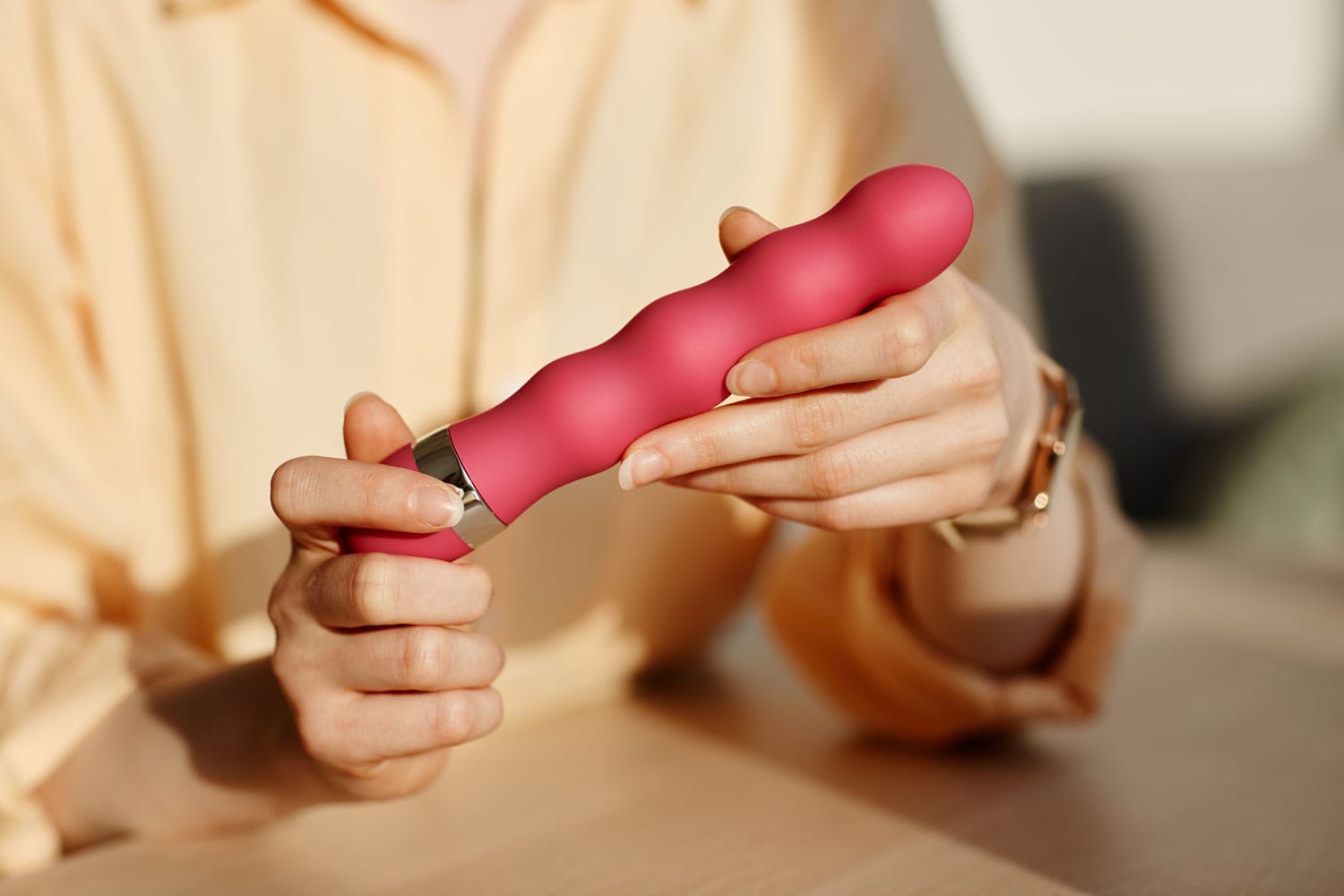
Lube is essential for reducing friction with sex toys. Whether using a masturbation sleeve or a vibrator, coating the toy ensures it glides comfortably.
Compatibility: Remember the golden rule: use water-based lubes with silicone toys to prevent damage. If you are using glass or metal toys, you can experiment with silicone or oil-based lubes for different sensations .
4. Advanced Sensation Techniques
Pre-Warm the Lube: Cold lube can be a shock to the system. Warm the bottle in your hands or a bowl of warm water before applying it to relax the muscles and increase receptivity.
- Temperature Play: Combine cooling or warming lubes with temperature play—like using ice cubes or a warm towel—to amplify the sensation.
- Dual Stimulation: Apply a tingling lube to the clitoris while using a standard silicone lube for internal penetration. This mix of sensations can heighten arousal and lead to more intense orgasms .
Conclusion: A New Standard for Pleasure
Incorporating lubricants into your sex life is not just a practical fix; it is an art that can transform your entire experience of intimacy. Whether you are stimulating the clitoris, engaging in vaginal play, or exploring new toys, the right lube acts as a bridge to higher levels of ecstasy .
It is time to let go of the “stigma” that suggests needing lube means something is wrong with you. Your body is not broken. Natural lubrication changes throughout our lives—due to hormones, stress, post-partum changes, or menopause—and needing a boost is completely normal.
Think of lubricant as your “best friend” in the bedroom. It reduces friction, heightens sensitivity, and opens the door to smoother, more comfortable, and more pleasurable sensations. So, challenge yourself to try it. Whether for partnered sex or solo play, adding a bottle to your nightstand might just be the upgrade you didn’t know you needed.