

Introduction
Definition of Erotophobia: What It Really Means
Have you ever felt your stomach tighten when someone casually mentions sex, or found yourself changing the subject because the conversation felt “too much”? Maybe you’ve laughed nervously, gone quiet, or even avoided relationships altogether. These reactions aren’t just quirks; they can be signs of erotophobia, a deep and often hidden fear or discomfort around sexuality.
Erotophobia goes beyond being “shy” or “conservative.” At its core, it’s about fear, shame, and the belief that sexuality is somehow dangerous, dirty, or wrong. It can show up in many ways: nervous laughter, heavy silence, or a persistent sense of guilt whenever desire arises.
Here’s the important part: erotophobia is not a personal flaw. It’s a learned response, shaped by culture, family messages, and life experiences. Understanding this makes it easier to see that sexual fear isn’t about being broken; it’s about carrying beliefs that can be unlearned and healed.
Why Sexual Shame Is So Common
Sexual shame doesn’t appear out of nowhere; it’s something we absorb over time. From childhood to adulthood, many of us are surrounded by messages that frame sexuality as taboo, dangerous, or embarrassing. These messages can come from family, religion, culture, or even the media, and they often stick with us long after we’ve grown up.
- Family influences: If sex was never discussed at home, or only spoken of negatively, it can leave the impression that desire is something to hide.
- Cultural and religious teachings: Many traditions emphasize control, purity, or silence around sexuality, which can turn natural curiosity into guilt.
- Media portrayals: Movies, TV, and social media often show sex as glamorous or scandalous, but rarely as healthy and normal. This creates unrealistic expectations and confusion.
- Trauma or negative experiences: Hurtful encounters, rejection, or coercion can reinforce the idea that sexuality is unsafe.
Because these influences are so widespread, sexual shame is incredibly common. The good news is that once we recognize where it comes from, we can begin to challenge and unlearn it.
The Importance of Open Conversations About Sexual Fear
Talking openly about sexual fear is the first step toward healing. When we name erotophobia and shame, we take away some of their power. Imagine how freeing it would be if people could discuss intimacy the same way they talk about food, hobbies, or health.
Open conversations break the cycle of secrecy and guilt. They allow us to:
- Realize we’re not alone in our struggles.
- Challenge harmful myths and stereotypes.
- Build healthier, more compassionate relationships with ourselves and others.
Sexual fear doesn’t disappear overnight, but every honest conversation chips away at the walls of shame. By bringing these topics into the light, we create space for understanding, acceptance, and growth.
Understanding Erotophobia
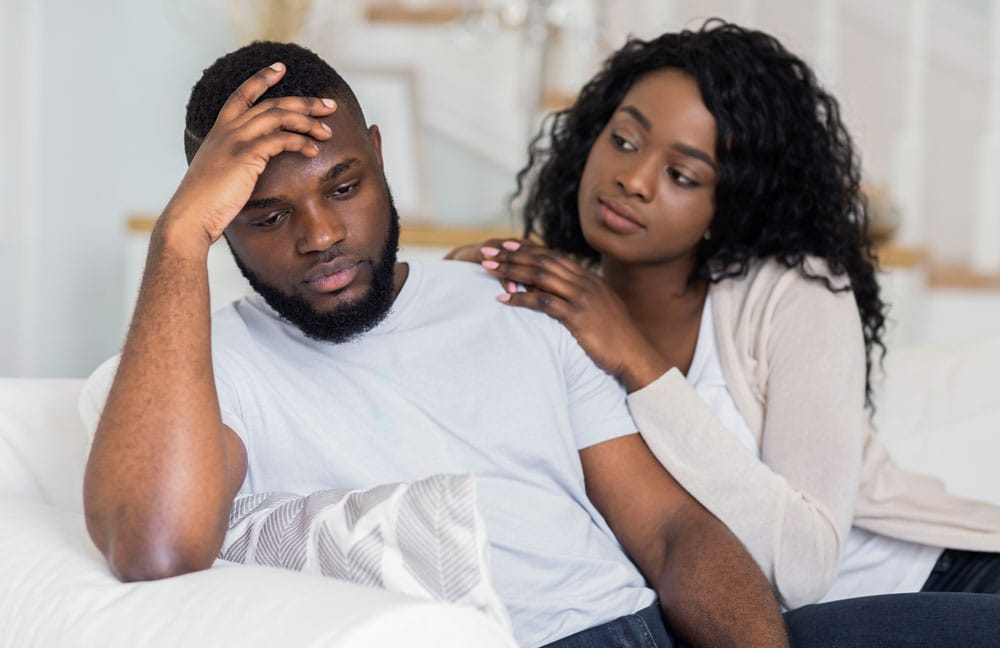
What Is Erotophobia?
Erotophobia is the fear or discomfort surrounding sexuality. It doesn’t always mean someone avoids sex completely; sometimes it’s subtle, like feeling embarrassed when intimacy is mentioned or shutting down when a partner tries to talk about desires.
At its core, erotophobia is about associating sexuality with danger, shame, or guilt rather than with connection and pleasure.
Think of it as a spectrum: on one end, someone might feel mild awkwardness when sex comes up in conversation; on the other, they may experience intense anxiety or avoidance of intimacy altogether. Wherever it falls, erotophobia can quietly shape how people see themselves and their relationships.
How Erotophobia Manifests in Daily Life
Erotophobia isn’t just about what happens in the bedroom. It can show up in everyday situations:
- Avoiding conversations about sex or intimacy, even with close friends or partners.
- Feeling guilty after sexual thoughts or experiences.
- Judging oneself harshly for desires or fantasies.
- Struggling with intimacy, pulling away when closeness feels overwhelming.
- Overcompensating by pretending to be more sexually confident than one really feels.
These behaviors often become automatic, so people may not even realize they’re rooted in fear.
Common Misconceptions About Erotophobia
Because sexuality is often misunderstood, erotophobia carries its own myths. Some of the most common include:
- “It’s just being conservative.” Erotophobia isn’t about values alone; it’s about fear and shame that limit healthy expression.
- “Only people with trauma have erotophobia.” While trauma can play a role, cultural conditioning, family messages, and media influence also contribute.
- “It means someone doesn’t want intimacy.” In reality, many people with erotophobia do want closeness, but fear gets in the way.
- “It’s rare.” Erotophobia is surprisingly common. Many people carry hidden shame without realizing it has a name.
The Roots of Sexual Shame

Cultural and Religious Conditioning
Many cultures and religions carry strong messages about sexuality, often framing it as sinful, dangerous, or something to be controlled. These teachings can leave lasting impressions, even if someone no longer practices that faith or culture.
For example, being told that sexual desire is “impure” can make a person feel guilty for simply having natural feelings. Over time, these beliefs become internalized, shaping how people see themselves and their bodies.
Family Dynamics and Childhood Messages
The way families handle conversations about sex has a lasting impact. When sexuality is ignored, dismissed, or only spoken of in negative terms, children often learn that it’s something to hide. Even seemingly small moments, like being scolded for touching their own body or having curiosity labeled as “bad,” can quietly plant seeds of shame.
These early lessons don’t disappear with age. Instead, they often carry into adulthood, shaping how people view intimacy, communicate in relationships, and connect with their own desires.
Trauma and Negative Sexual Experiences
Experiences of sexual trauma, coercion, or even repeated rejection can leave lasting emotional scars. Trauma often teaches both the body and mind to link sexuality with fear, danger, or pain. Even less extreme situations, like being mocked for sexual curiosity or feeling pressured into intimacy, can reinforce shame and mistrust.
Healing from these experiences takes time. It requires patience, compassion, and often the guidance of a professional who can provide a safe space to process and rebuild a healthier relationship with sexuality.
Media Influence and Unrealistic Standards
From movies to social media, we’re constantly surrounded by images of “perfect” bodies and “ideal” sexual performance. These portrayals rarely reflect reality, yet they set impossible standards that many people feel pressured to meet. Comparing ourselves to these images often leads to feelings of inadequacy, insecurity, or shame.
At the same time, media tends to sensationalize sex while avoiding honest conversations about consent, pleasure, and vulnerability. This leaves many people confused about what healthy intimacy really looks like, reinforcing shame instead of fostering confidence.
How Erotophobia Impacts Mental and Emotional Well-Being

Effects on Self-Esteem and Body Image
Erotophobia often makes people feel disconnected from their own bodies. When someone believes their desires are “wrong” or “dirty,” they may start to see themselves as flawed. This can lead to poor self-esteem and a negative body image.
For example, a person might avoid looking at themselves in the mirror, feel ashamed of their physical appearance, or constantly compare themselves to others. Over time, this erodes confidence and makes it harder to feel comfortable in intimate situations.
Impact on Romantic and Sexual Relationships
Fear and shame don’t stay hidden; they spill into relationships. Erotophobia can cause:
- Emotional distance: pulling away when intimacy feels overwhelming.
- Miscommunication: avoiding conversations about needs, boundaries, or desires.
- Frustration: partners may feel rejected or confused, not realizing fear is the root cause.
This doesn’t mean people with erotophobia don’t want closeness. In fact, many crave connection but feel trapped by anxiety. Without addressing the fear, relationships can become strained, leaving both partners feeling misunderstood.
Anxiety, Guilt, and Avoidance Behaviors
Erotophobia often creates a repeating cycle of anxiety and guilt. A person may feel anxious before intimacy, experience guilt afterward, and then begin avoiding sexual situations altogether. Over time, this avoidance doesn’t just affect sex; it can spill into other areas of life. Someone might dodge romantic dates, pull away from physical affection, or quickly change the subject whenever sexuality is mentioned.
The emotional toll is significant. Constant worry, harsh self-criticism, and the nagging sense of “not being normal” can weigh heavily on mental health. If left unaddressed, this cycle may lead to deeper struggles such as depression, loneliness, and isolation.
Recognizing Signs of Sexual Shame

Subtle Behavioral Signs
Sexual shame doesn’t always announce itself loudly. Often, it hides in small, everyday behaviors:
- Changing the subject when intimacy or sexuality comes up.
- Avoiding eye contact during conversations about sex.
- Overcompensating with humor, laughing off serious questions, or making jokes to deflect discomfort.
- Withdrawing from affection, pulling away from hugs, kisses, or touch that feels “too close.”
These subtle signs can be easy to miss, but they reveal how deeply shame can shape behavior.
Psychological Indicators
Erotophobia often shows up in the mind as persistent thoughts and feelings:
- Guilt after sexual thoughts or experiences, believing desire itself is wrong.
- Anxiety before intimacy, worrying about being judged, rejected, or “not good enough.”
- Negative self-talk, criticizing oneself for wanting pleasure or imagining scenarios.
- Fear of vulnerability, struggling to trust others with emotional or physical closeness.
These mental patterns can feel isolating, but they’re common; many people carry them silently.
Physical Responses Connected to Shame and Fear
The body often tells the truth even when the mind tries to hide it. Physical signs of sexual shame may include:
- Tension or stiffness when intimacy is initiated.
- Avoidance behaviors like pulling away, freezing, or shutting down.
- Stress symptoms such as rapid heartbeat, sweating, or nausea when sexual topics arise.
- Difficulty relaxing during intimacy, even with a trusted partner.
These responses aren’t “weaknesses”; they’re learned survival mechanisms. The body remembers fear, and it reacts automatically until healing begins.
Continue reading:
- Erotophobia and Shame: Understanding, Unlearning, and Healing Sexual Fear – Part 1
- Erotophobia and Shame: Understanding, Unlearning, and Healing Sexual Fear – Part 2
Written by