

Introduction
Intimacy feels personal, but it never develops on its own. What we want and how we choose partners is shaped by the culture around us, the stories we learn, and the stereotypes we grow up with. If we avoid talking about race and intimacy, the silence keeps harmful biases alive. When we name the ways racism can shape attraction and relationships, we open the door to healthier and more respectful connections.
Sexual racism happens when someone excludes or prefers partners only because of race. A statement like “I don’t date Black people” or “I only date Asian partners” is not a harmless preference. It is racial bias expressed through intimacy.
Fetishization happens when a person is reduced to a stereotype tied to their race, ethnicity, or culture. Instead of being seen as a full individual, they get flattened into a fantasy. This can look like assuming Latina women are “fiery,” Middle Eastern men are “dominant,” or Indigenous people are “mystical.”
These patterns show up on dating apps, in casual conversations, and even in long relationships. They can damage self-esteem, skew power dynamics, and reinforce larger systems of racism. By understanding how these forces work, we can build relationships that respect people as whole and complex, and that appreciate diversity without turning anyone into a caricature.
Understanding Sexual Racism and Fetishization
Sexual racism shows up when someone bases their dating or sexual choices only on race or ethnicity. It can take the form of ruling out entire groups or only seeking out one group.
People often defend this as “just a preference,” but preferences do not grow in a vacuum. They are shaped by history, media, and social messages, which means these choices often reflect deeper racial bias.
Fetishization is another pattern that distorts real connection. It happens when a person is seen through a single racialized trait or fantasy instead of as a whole human being. The focus shifts from who someone is to what stereotype they supposedly represent. This can create pressure, objectification, and a sense that the person is being valued only for how they fit a script.
Appreciation looks very different. It recognizes culture, identity, and lived experience as meaningful parts of someone’s life without turning those parts into the entire story. Appreciation invites curiosity, respect, and genuine connection. It celebrates diversity while still seeing the person, not a fantasy built around their race.
The Role of Racial Stereotypes in Intimacy
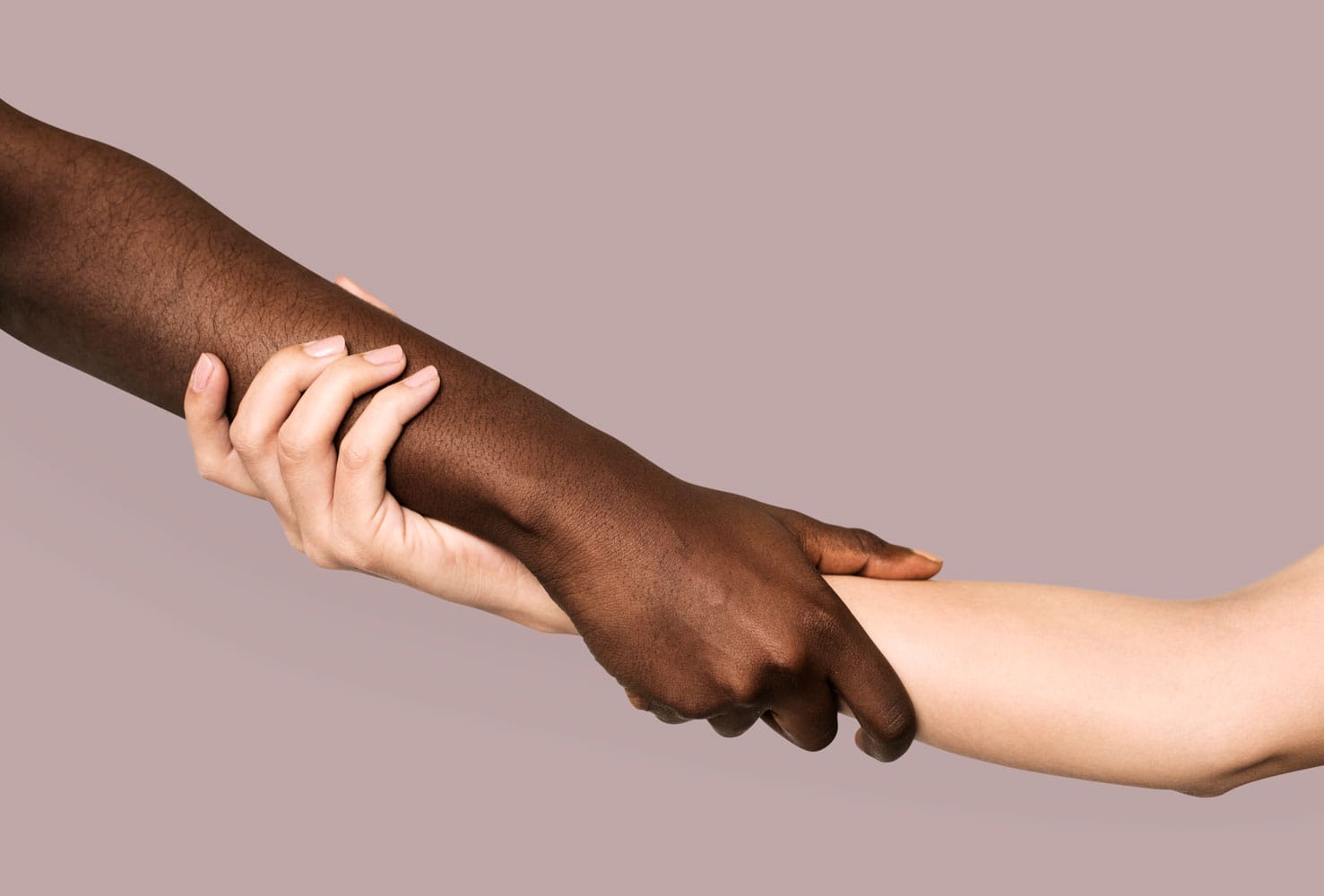
Racial stereotypes often slip into dating and sexual relationships in quiet but powerful ways. They shape first impressions, guide assumptions, and influence how someone is treated long before their personality or values ever come into focus.
These patterns show up in familiar examples: Black men framed as hypersexual, Asian women assumed to be submissive, Latina women labeled “fiery,” and Indigenous people cast as “mystical.”
These ideas did not appear on their own. They come from long histories of racism, colonial narratives, and media portrayals that repeat the same story until it feels normal. When these messages get woven into intimacy, they flatten real people into roles they never asked to play.
Attraction built on stereotypes is not genuine interest. It turns people into objects, assigns expectations they cannot escape, and erases the complexity that makes connections meaningful. Over time, it can affect self-worth, limit emotional safety, and create relationships where power is uneven from the start.
Understanding how stereotypes operate gives us the chance to push back. It helps us see partners as full individuals and build relationships grounded in respect, curiosity, and real human connection.
Microaggressions in Intimate Contexts
Microaggressions are subtle comments or actions that may seem harmless on the surface but quietly reinforce racial stereotypes. In dating and sexual contexts, they often show up as phrases like “You’re so exotic” or “I’ve never dated someone like you before.” They also appear in assumptions about how a person will behave in intimacy based on race, as if their identity determines their role or personality.
These comments can feel confusing because they are often framed as compliments. But beneath the surface, the message is clear. The person is being singled out for their race, not seen for who they are. This shifts the focus from genuine connection to novelty, curiosity, or fantasy. It can make someone feel watched instead of understood.
Microaggressions carry weight because they come from larger histories of stereotyping and exclusion. In intimate settings, where vulnerability matters, these moments can land even harder. They can create discomfort, chip away at trust, and trigger self-doubt, especially when the person on the receiving end feels pressured to downplay their reaction.
Addressing microaggressions is not about policing every word. It is about building relationships where both people feel respected and safe. When partners learn to recognize these patterns and talk honestly about their impact, intimacy becomes more equal, more grounded, and more authentic.
The Psychological and Social Impact

Sexual racism does not stay confined to one moment or one interaction. Its effects ripple through a person’s inner life, their relationships, and the communities they belong to. What may seem like a single remark or pattern of behavior can shape how people see themselves, how they connect with others, and how society understands intimacy across racial lines.
On Individuals
Sexual racism can undermine confidence and create lasting self-doubt. Repeated exclusion or fetishization can lead to anxiety around dating and intimacy, and in some cases, internalized bias. When someone starts to absorb these messages, they may question their worth or feel pressure to fit narrow expectations tied to their race.
On Communities
When racialized patterns of attraction are treated as normal, they reinforce larger systems of inequality. Whole groups get portrayed as less desirable or desirable only for stereotypes, which shapes public perception and limits authentic representation. These patterns deepen social divides and keep harmful narratives in place.
On Relationships
Inside relationships, sexual racism makes true connection difficult. It can weaken trust when one partner feels singled out for their race or reduced to a role. This creates power imbalances that affect communication, emotional safety, and long-term stability. When race becomes a defining filter instead of one aspect of identity, it blocks the openness intimacy depends on.
How to Address and Challenge Sexual Racism
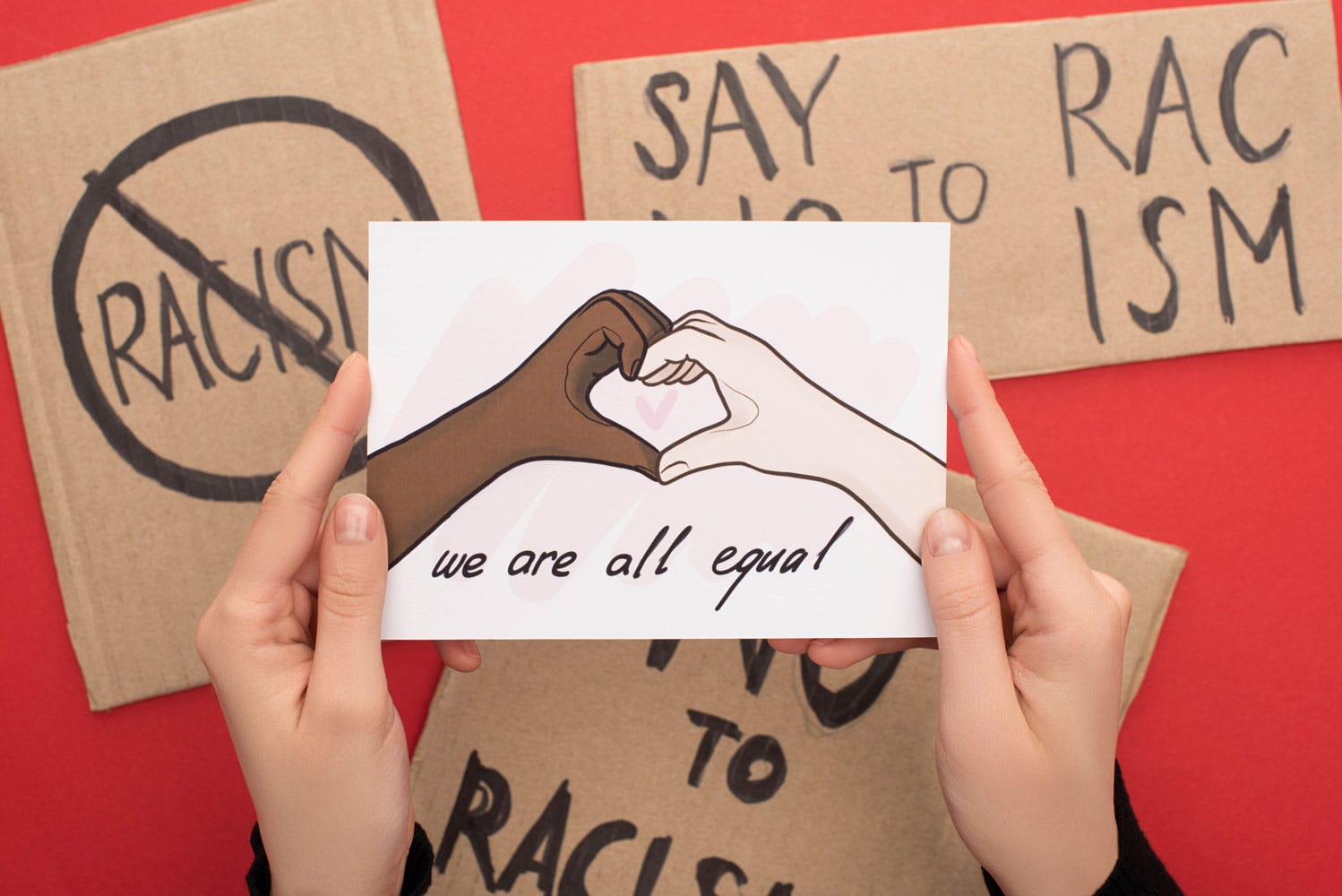
Challenging sexual racism starts with awareness. These patterns are often learned quietly through culture, media, and social norms, which means unlearning them takes intention. The goal is not to judge attraction, but to understand what shapes it and how to approach intimacy with respect, clarity, and care.
Self Reflection
Take time to look at where your preferences come from. Ask yourself whether certain attractions or exclusions might be tied to stereotypes you absorbed over time. Honest reflection opens space for more genuine connections and helps break habits that limit who you see as a potential partner.
Communication
Talking openly about race and identity can bring clarity and strengthen trust. These conversations do not have to be heavy. They can be simple check-ins that acknowledge each person’s experience and create room to address concerns before they turn into harm.
Practical Tips for Allies
Respect boundaries. Avoid comments that rely on racial assumptions. Learn about the histories and stereotypes that shape dating dynamics, and challenge exclusionary remarks when you hear them. Being an ally in intimate spaces means choosing language and behavior that support dignity and fairness.
Inclusive Dating Spaces
Support platforms, communities, and media that uplift diverse stories without leaning on caricatures. Inclusive environments help everyone feel seen and reduce the pressure to conform to stereotypes. They make room for connection based on personality, values, and humanity rather than race.
Building Healthy, Respectful Intimacy

Healthy intimacy begins with recognizing people as full, complex individuals rather than reducing them to stereotypes. True connection grows when we let go of assumptions about race, gender, or background and instead build relationships through shared experiences, trust, and genuine interest. When honesty and respect are prioritized, intimacy becomes stronger, safer, and more meaningful.
Celebrate diversity without slipping into fetishization.
Diversity in dating should be embraced as a source of enrichment, but it must never be reduced to fetishization. Culture, ethnicity, and identity can add depth to a relationship, offering unique perspectives and experiences, yet they should never be the sole reason someone is pursued. Attraction rooted in respect and equality ensures that intimacy is authentic, meaningful, and free from harmful stereotypes.
Prioritize shared values and real connection.
At the heart of healthy relationships are shared values and genuine connection. Compatibility, communication, and emotional safety matter far more than any preconceived notions or stereotypes. When partners listen actively, practice empathy, and commit to growing together, intimacy thrives. Real connection is built on mutual respect and authenticity, not superficial traits or assumptions.
Support dating spaces that welcome everyone.
Inclusive dating environments play a vital role in fostering respectful intimacy. Spaces that welcome people of all backgrounds reduce bias and allow individuals to show up as their true selves without pressure or expectation. Supporting communities and platforms that challenge sexual racism helps reshape the culture of dating, making it more equitable, compassionate, and genuinely inclusive.
Respectful Intimacy Shapes Culture

Respectful intimacy does more than strengthen individual relationships—it reshapes broader conversations around desire, attraction, and belonging. By rejecting sexual racism and challenging fetishization, we move toward a culture where attraction reflects empathy, equality, and sincere appreciation for each person’s humanity. Healthy intimacy becomes a powerful tool for dismantling stereotypes and building a society grounded in respect and inclusion.
Conclusion
Sexual racism and fetishization do not appear out of nowhere. They grow out of larger social inequalities and slip into the most personal parts of our lives. When we understand how racial stereotypes influence attraction, intimacy, and self-worth, we gain the power to interrupt those patterns and choose relationships built on respect instead of bias.
Everyone deserves to be seen as a full person. No one should be reduced to a stereotype or treated as a stand-in for a fantasy. When we reflect on our own assumptions, listen to the people we care about, and commit to more inclusive ways of relating, we create space for intimacy that feels honest, safe, and human.
Educate yourself.
Challenge stereotypes when you see them.
Celebrate diversity in a way that honors individuality.
Healthy intimacy relies on connection, trust, and genuine care. By confronting sexual racism, we help build a world where everyone is valued for who they truly are, not for the roles society has imposed on them.
Written By: Chinyere Okafor