

Introduction: Why This Conversation Matters
For many people, religion is a source of comfort, guidance, and identity. It shapes how we view the world, our relationships, and even our bodies. Yet when it comes to sexuality, religious teachings can sometimes feel restrictive, confusing, or even shame-inducing.
This tension between spiritual beliefs and sexual wellness is more common than we think. People often struggle to reconcile their faith with their natural desires, questions about intimacy, or the need for accurate sexual health information. Some may feel guilty for wanting pleasure, while others fear judgment for exploring their identity.
But here’s the truth: sexuality is a natural, beautiful part of being human. And many religious traditions, when examined in depth, offer nuanced teachings that value love, respect, and connection. The goal of this article is to help you navigate sexual wellness within your spiritual framework without compromising your values or your joy.
Whether you’re single, married, celibate, or exploring your identity, you deserve a space where faith and sexual health can coexist. Let’s begin that journey together.
Understanding Religion’s Influence on Sexual Beliefs
Religion has long played a central role in shaping how individuals and communities understand sexuality. Across cultures and continents, faith traditions offer moral frameworks that guide behavior, relationships, and personal identity.
These teachings can provide comfort, structure, and a sense of purpose, but they can also lead to confusion, guilt, or silence when it comes to sexual health.
Let’s explore how major world religions influence sexual beliefs and how these teachings can both support and challenge our understanding of sexual wellness.
Christianity: Purity, Marriage, and Moral Boundaries
In many Christian denominations, sexuality is viewed as a sacred gift meant to be expressed within the bounds of marriage. Teachings often emphasize:
- Abstinence before marriage as a sign of spiritual discipline.
- Marital fidelity as a reflection of divine covenant.
- Modesty in dress and behavior, especially for women.
For example, the concept of “purity culture” in some evangelical communities encourages young people to remain sexually abstinent until marriage, sometimes through symbolic gestures like purity rings or pledges. While this can foster self-control and respect for commitment, it may also lead to shame around natural sexual desires or fear of intimacy.
Islam: Honor, Privacy, and Sacred Intimacy
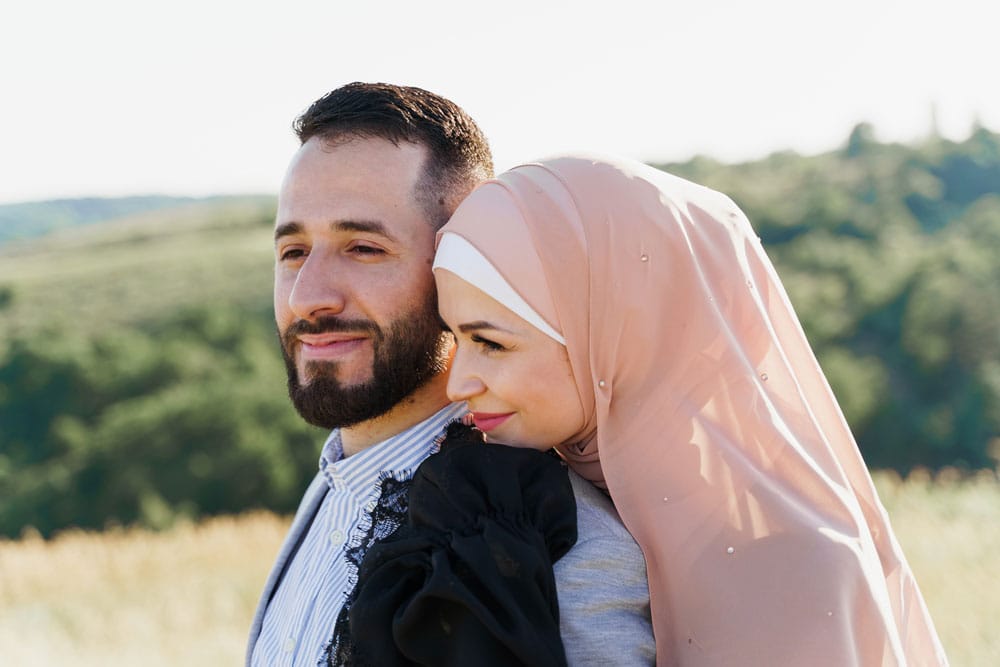
Islamic teachings also uphold sex as a meaningful act within marriage, guided by principles of modesty, respect, and privacy. Key beliefs include:
- Sexual relations are halal (permissible) only within marriage.
- Modesty (haya) is a virtue, influencing dress codes and public behavior.
- Gender roles are often clearly defined, with expectations around male and female conduct.
In many Muslim communities, discussions about sex are considered private and sacred. The Qur’an and Hadiths offer guidance on sexual ethics, including mutual pleasure and consent between spouses. However, cultural interpretations can sometimes discourage open dialogue, especially for women seeking sexual health education or support.
Judaism: Holiness, Marital Intimacy, and Ritual Boundaries
Judaism views sexuality as a vital part of human life, with laws that regulate when and how it is expressed. Within Orthodox and Conservative traditions:
- Sex is encouraged within marriage as a mitzvah (commandment).
- Niddah laws govern physical intimacy during menstruation.
- Modesty (tzniut) is emphasized in dress and behavior.
Jewish teachings often celebrate sexual pleasure as part of marital bonding but also place strong emphasis on ritual purity and boundaries. In more liberal branches, such as Reform Judaism, there is greater openness to diverse sexual identities and modern interpretations of sacred texts.
Common Themes Across Faiths
Despite their differences, many religions share core values around sexuality:
- Abstinence before marriage is often seen as a moral ideal.
- Fidelity and commitment are praised as virtues.
- Modesty is encouraged to promote dignity and self-respect.
- Gender roles are defined, sometimes rigidly, influencing expectations in relationships.
These teachings can help individuals set healthy boundaries, honor their bodies, and cultivate meaningful relationships. But when interpreted rigidly or without compassion, they may also:
- Create shame around sexual desire or identity.
- Discourage open conversations about sexual health.
- Promote misinformation or fear, especially around topics like contraception, LGBTQ+ identities, or sexual trauma.
Real-Life Example: Navigating Faith and Sexuality

Consider a young woman raised in a conservative Christian household who begins to explore her sexuality in adulthood. She may feel torn between her desire for intimacy and the teachings she grew up with. Without supportive guidance, she might internalize guilt or avoid seeking help for sexual health concerns.
Now imagine a married Muslim couple who want to improve their sexual connection but feel uncomfortable discussing it due to cultural taboos. A faith-sensitive therapist could help them explore intimacy while honoring their religious values.
The Takeaway
Religion can be a powerful force for love, discipline, and connection. But when it comes to sexuality, it’s important to distinguish between spiritual wisdom and cultural silence. By understanding the roots of our beliefs, we can begin to build bridges between faith and freedom, tradition and truth, and modesty and joy.
Common Challenges Faced by Religious Individuals
For many people of faith, sexuality is not just a physical experience; it’s deeply intertwined with spiritual identity, moral values, and community expectations. While religious teachings can offer guidance and protection, they can also create internal conflict when personal experiences don’t align perfectly with doctrine.
Let’s explore some of the most common challenges religious individuals face when navigating sexual wellness.
Guilt and Shame Around Sexual Desire or Masturbation
In many religious traditions, sexual desire is framed as something to be controlled or suppressed, especially outside of marriage. Masturbation, in particular, is often labeled as sinful or impure.
This can lead to:
- Feelings of guilt after experiencing arousal or engaging in self-pleasure.
- Shame and secrecy, especially among teens and young adults.
- Spiritual anxiety, where individuals fear they’ve disappointed God or violated their faith.
Example:
A young man raised in a conservative Christian home may feel intense guilt after masturbating, believing he’s committed a moral failure. Without proper guidance, he may internalize shame and avoid seeking help even if it affects his mental health
Fear of Discussing Sex Openly with Partners or Therapists

In many religious households, sex is rarely discussed openly. This silence can carry into adulthood, making it difficult to:
- Express sexual needs or boundaries with a partner.
- Seek help from therapists or doctors.
- Ask questions about sexual health without embarrassment.
Example:
A married woman in a traditional Muslim community may struggle to talk about painful intercourse with her spouse or doctor, fearing judgment or misunderstanding. This silence can delay treatment and strain the relationship.
Confusion Around LGBTQ+ Identities and Faith
For LGBTQ+ individuals raised in religious environments, the journey of self-discovery can be especially painful. Many face:
- Rejection or condemnation from family or faith leaders.
- Internal conflict between identity and belief.
- Isolation, as they search for communities that accept both their faith and their sexuality.
Example:
A bisexual teenager in a devout Jewish family may feel torn between their attraction to multiple genders and the teachings they’ve grown up with. Without affirming support, they may suppress their identity or experience depression.
Pressure to Conform to Religious Norms
Religious communities often have clear expectations around gender roles, marriage, and sexual behavior. Individuals who don’t fit these molds may feel:
- Unseen or misunderstood, especially if they’re single, divorced, or child-free.
- Forced to perform a version of themselves that feels inauthentic.
- Afraid to question or reinterpret teachings that no longer serve them.
Example:
A woman in her 30s who chooses to remain single may face pressure from her church to marry and have children. Her decision to prioritize personal growth or career may be seen as rebellion, even though it aligns with her values.
The Path Forward
These challenges are real, but they’re not insurmountable. Healing begins with:
- Compassionate education that respects both faith and personal truth.
- Safe spaces to ask questions and share experiences.
- Therapists and educators who understand religious contexts and offer nonjudgmental support.
Sexual wellness doesn’t have to mean abandoning your faith. It can mean deepening your understanding of it while honoring your body, your needs, and your journey.
What Is Sex-Positive Education?

Sex-positive education is a respectful, inclusive, and evidence-based approach to understanding sexuality. It encourages people to view sex as a natural part of life, something that can be joyful, consensual, and deeply connected to personal values, including spiritual beliefs.
Unlike traditional models that often focus on abstinence or risk avoidance, sex-positive education:
- Promotes accurate information about anatomy, consent, pleasure, and relationships.
- Encourages open dialogue without shame or fear.
- Respects diverse identities and experiences, including LGBTQ+ individuals, people with disabilities, and those from various cultural and religious backgrounds.
Sex-Positive ≠ Anti-Religion
One of the biggest misconceptions is that being sex-positive means rejecting religious values. That’s simply not true.
Sex-positive education doesn’t ask people to abandon their faith; it invites them to explore sexuality in a way that’s informed, compassionate, and aligned with their beliefs. It’s about choice, dignity, and self-awareness.
For example:
- A devout Christian couple may use sex-positive principles to deepen intimacy in their marriage while honoring biblical values.
- A Muslim woman may learn about her body and boundaries in a way that respects both her faith and her autonomy.
- A Jewish teenager may explore identity with guidance that affirms both tradition and personal truth.
Shared Values: Where Faith and Sex-Positivity Meet
Many of the core values in sex-positive education beautifully align with religious teachings:
| Sex-Positive Value | Faith-Based Parallel |
| Respect | “Love your neighbor as yourself.” (Christianity) |
| Honesty | Truthfulness in speech and action (Islam, Judaism) |
| Compassion | Mercy and empathy toward others (all major faiths) |
| Self-awareness | Reflection and spiritual growth (all major faiths) |
These shared values show that sexual wellness and spiritual integrity can coexist. In fact, when people feel safe to explore their sexuality within a framework of respect and faith, they often experience deeper connection, healing, and joy.
The Takeaway
Sex-positive education is not about promoting promiscuity or rebellion; it’s about empowering people to make informed, ethical, and respectful choices. It’s about removing shame and replacing it with understanding.
Whether you’re religious, spiritual, or simply curious, embracing sex-positive principles can help you honor both your body and your beliefs.
Bridging the Gap—Faith Meets Sexual Wellness

The pursuit of sexual wellbeing might feel like balancing spiritual devotion with personal reality for many people. It need not be a fight, though.
Bridging the gap between faith and sexuality is not about choosing one over the other; it’s about creating space for both to coexist in harmony.
Here are practical, heart-centered ways to begin that reconciliation.
1. Seek Religious Leaders or Communities Open to Dialogue
Not all faith leaders are closed off to conversations about sexuality. In fact, many are actively working to create safer, more inclusive spaces.
- Look for progressive clergy, imams, rabbis, or spiritual mentors who are trained in pastoral counseling or trauma-informed care.
- Join faith-based support groups that welcome open discussions on relationships, identity, and sexual ethics.
- Attend interfaith forums or workshops that explore sexuality through a spiritual lens.
Example:
In South Africa, some churches have begun hosting “healing circles” for survivors of sexual trauma, blending prayer with therapeutic storytelling. These spaces allow people to reclaim their bodies without abandoning their faith.
2. Explore Interpretations of Scripture That Support Love, Dignity, and Bodily Autonomy
Sacred texts are often layered with metaphor, context, and cultural nuance. Many teachings that seem restrictive at first glance may have deeper meanings when studied with compassion and scholarship.
- Read scripture alongside commentaries from inclusive theologians.
- Ask questions like, “What does this passage say about love, respect, or justice?”
- Reflect on how your faith tradition views the body not just as a vessel of sin but as a creation worthy of care and joy.
Example:
In Islam, the concept of rahma (mercy) is central to marital intimacy. When interpreted holistically, it encourages mutual pleasure, consent, and emotional connection, values that align with sex-positive wellness.
3. Work with Sex Therapists Who Respect Your Spiritual Values

Therapy can be transformative, but only when it honors your whole identity, including your faith.
- Seek out faith-sensitive therapists who understand religious frameworks and won’t dismiss your beliefs.
- Ask potential therapists about their approach to spirituality and sexuality before committing.
- Consider online directories that list culturally competent professionals, especially in regions where access is limited.
Example:
A Catholic couple in Brazil worked with a therapist who used scripture-based affirmations to help them overcome shame around intimacy. The result was a renewed sense of connection, both physically and spiritually.
4. Learn from Real Stories of Integration
Sometimes the most powerful guidance comes from people who’ve walked the path before you.
- Read memoirs and blogs, or watch documentaries featuring individuals who’ve reconciled faith and sexuality.
- Listen to podcasts or attend webinars where people share their journeys with vulnerability and hope.
- Share your own story when you’re ready; it could be the light someone else needs.
Example:
In Nigeria, a young woman raised in a conservative Christian home started a YouTube channel discussing sexual health from a faith-based perspective. Her content now reaches thousands of viewers across Africa, helping others feel less alone.
The Takeaway
Bridging the gap between faith and sexual wellness isn’t about compromise; it’s about integration. It’s about honoring your body as sacred, your pleasure as valid, and your beliefs as a compass, not a cage.
You don’t have to choose between being spiritual and being sexually whole. You can be both. And you deserve to be.
Practical Tools for Faith-Based Sexual Wellness

Bridging faith and sexual wellness isn’t just about shifting mindsets; it’s also about using the right tools to support your journey.
Whether you’re exploring your beliefs, seeking guidance, or healing from past experiences, these resources can help you move forward with clarity, confidence, and compassion.
Journaling Prompts to Explore Sex and Spirituality
Journaling is a powerful way to reflect on your beliefs, challenge internalized shame, and discover your authentic voice. Here are some prompts to get started:
- What messages did I receive about sex growing up in my faith community? How do I feel about them now?
- What does “sacred sexuality” mean to me?
- Are there parts of my sexual identity I’ve hidden or suppressed because of religious pressure
- How can I honor both my body and my beliefs in my relationships?
- What scriptures or spiritual teachings bring me peace when I think about intimacy?
Set aside time weekly to write freely, with no judgment and no editing. Over time, you’ll begin to notice patterns, breakthroughs, and areas where healing is needed.
Faith-Friendly Books, Podcasts, and Websites
There’s a growing library of resources that explore sexuality through a spiritual lens. Here are a few globally relevant options:
Books
- Sex God by Rob Bell—explores the connection between spirituality and sexuality from a Christian perspective.
- The Islamic Guide to Sexual Health, by Dr. Rania Awaad, offers faith-based insights into intimacy and wellness.
- Good Christian Sex by Bromleigh McCleneghan—challenges purity culture with grace and theological depth.
Podcasts
- The Liturgists Podcast—tackles faith, sexuality, and identity with nuance and empathy.
- Faith & Feminism—explores gender, spirituality, and sexual ethics in religious contexts.
- Queerology—features LGBTQ+ voices navigating faith and authenticity.
Websites
- Religious Institute—offers inclusive resources for clergy and individuals on faith and sexuality.
- Scarleteen—provides youth-friendly, inclusive sex education with spiritual sensitivity.
- The Trevor Project—supports LGBTQ+ youth, including those from religious backgrounds.
Questions to Ask a Therapist or Counselor
Finding a therapist who respects your spiritual values is essential. Here are some questions to help you assess compatibility:
- Are you familiar with my religious background or open to learning about it?
- How do you approach topics like sexual shame or purity culture?
- Do you integrate spiritual beliefs into your therapeutic practice if requested?
- Have you worked with clients navigating faith and sexuality before?
- How do you ensure your guidance aligns with a client’s moral and cultural values?
Don’t be afraid to interview therapists before committing. Your healing deserves a safe, affirming space.
The Takeaway
Faith-based sexual wellness is not a contradiction; it’s a calling to live fully, love deeply, and honor both your spirit and your body. With the right tools, you can begin to rewrite your story, reclaim your joy, and reconnect with your truth.
You are not alone. And your journey is sacred.
Conclusion: Embracing Wholeness

Sexuality and spirituality are often portrayed as opposing forces, one sacred, the other shameful. But this false divide has kept too many people from experiencing the fullness of who they are. The truth is, these two aspects of our humanity can coexist beautifully.
Your body is not a battleground. It is a temple.
Your desire is not a sin. It is a signal of life, connection, and intimacy.
Your faith is not a barrier. It is a compass guiding you toward love, dignity, and truth.
To embrace wholeness means to stop choosing between parts of yourself. It means honoring your spiritual convictions while also listening to your body’s wisdom. It means healing from shame, reclaiming joy, and walking in freedom.
Whether you’re just beginning this journey or have been walking it for years, know this:
- You are allowed to ask questions.
- You are allowed to feel pleasure.
- You are allowed to be both spiritual and sexual.
Let your healing be sacred. Let your truth be liberating. Let your joy be holy.
Your body is sacred. Your pleasure is valid. Your faith is your compass.
Written by: