
Understanding BDSM
BDSM has become more widely discussed in recent years, yet it remains a topic often misunderstood or misrepresented rooted in consensual power exchange. BDSM offers individual opportunities to explore your boundaries, desires, and emotional connections through a variety of practices. BDSM is an umbrella term that stands for Bondage, Discipline, Dominance, Submission, Sadism, and Masochism. Though it has gained visibility in popular culture, the practices and philosophies behind BDSM are often misunderstood or oversimplified.
BDSM is not about inflicting harm or coercion—it’s about consensual power exchange, trust, and exploring desires in a safe, controlled environment. This guide will provide an insightful look into the world of BDSM, addressing common myths and misconceptions, while equipping readers with practical tips for safely exploring these dynamics.
In this in-depth article, we’ll cover everything you need to know about BDSM, form its core concepts to practice advice for newcomers and seasoned practitioners alike.
Definition and Scope of BDSM
As its core, BDSM involves the consensual exchange of power between participants. BDSM is a broad spectrum of practices involving power exchange, physical sensations, and psychological dynamics. It can be as simple as tying a partner’s hands with silk scarves or as complex as a 24/7 Dominant/submissive (D/s) relationship. Each letter of the acronym touches on an essential aspect of these dynamics:
- Bondage (B): Restricting movement using ropes, cuffs, or other restraints.
- Discipline (D): Creating rules and enforcing them through rewards or punishment.
- Dominance (D): One partner taking control over the other, either physically or emotionally.
- Submission (S): The act of yielding control to a dominant partner.
- Sadism (S): Taking pleasure in inflicting pain or discomfort on a willing partner.
- Masochism (M): Deriving pleasure from receiving pain or discomfort.
What is BDSM?
BDSM is not one fixed activity or set of behaviors. It encompasses a wide range of consensual practices that revolve around power exchange, sensation play, and emotional dynamics. For some, BDSM may involve light teasing or playful restraint, while for others, it might include more intense physical sensations or strict power dynamics. The beauty of BDSM is its adaptability—it can be tailored to meet the needs, limits, and desires of those involved.
- Role-Playing: Partners assume specific roles, such as master/slave, doctor/patient, or teacher/student.
- Sensory Play: Manipulating the senses through blindfolds, feathers, wax, or other materials to heighten sensation.
- Orgasm Control: Playing with denial, edging, or timed releases to enhance the intensity of physical pleasure.
BDSM as a Spectrum
BDSM is highly customizable, allowing people to explore it on a spectrum of intensity. It can be range from light and playful activities or to be called soft BDSM, which includes mild role-playing and light bondages or teasing, while it can get more intense and engage in hard BDSM, incorporating intense physical sensations, dominance, heavy bandages, pain play and submission. Whether it’s a fleeting bedroom fantasy or a lifestyle, it is important to recognize that BDSM can cater to a wide variety of interests and comfort levels.
For example, someone may be interested in exploring the psychological aspects of power exchange without any physical elements involved. Others may focus primarily on sensory play, such as blindfolding or temperature play, to heighten their partner’s sensory awareness.
Key Concepts in BDSM

Dominance and Submission (D/s)
The psychological dynamic where one partner (the dominant) exerts control, while the other (the submissive) surrenders control. This can be purely physical or also extend into emotional, mental, or lifestyle aspects.
Example: A Dominant might command a submissive to perform tasks like fetching an item or following strict guidelines on behavior during a “scene” (an agreed-upon BDSM interaction).
Power Play
The key to BDSM is consensual control as involving an exchange of power where one person holds authority over the other within predefined boundaries. Participants negotiate about how much power they exchange and this could include controlling a partner’s pleasure, pain, or movement.
Example: A submissive might give their Dominant full control over when and how they experience pleasure during an intimate encounter. The Dominant may prolong or deny an orgasm to intensify the eventual release.
Sensation Control
This involves the manipulation of sensory and physical sensations (like pain, pleasure, or deprivation) to heighten experiences, either depriving or overwhelming the senses with touch, taste, smell, sight, or sound.
Example: A submissive might be blindfolded and restrained while the Dominant alternates between soft caresses with feathers and sharper sensations with a flogger.
Common Misconceptions and Myths
BDSM is abusive or violent
One of the most common misconceptions is that BDSM is synonymous with violence or harm. While some people enjoy intense sensations (such as spanking or flogging), not all BDSM involves pain. Abusive involves non-consensual, while BDSM is built on consent and mutual respect. Unlike abuse, BDSM is negotiated, consensual, and safe. For some, it’s about exploring control, restraint, or submission without any pain involved at all.
Only certain types of people enjoy BDSM
Another false assumption is that people who engage in BDSM must have unresolved emotional trauma or psychological issues. People from all walks of life explore BDSM, regardless of gender, sexuality, or personality. They are engage in BDSM for various reasons, including enhanced emotional connection, psychological fulfillment, or pure pleasure. Research has shown that BDSM practitioners are no more likely than the general population to have mental health concerns. In fact, many BDSM participants report feeling a stronger sense of emotional fulfillment, trust, and stress relief through their practices.
BDSM is all about pain
Not all BDSM involves pain. Many BDSM practices do not involve pain at all and they care more about power dynamics, control, trust, or emotional surrender and exploring their fantasies.
The Role of Consent in BDSM

Consent is the cornerstone of all BDSM practices. Every activity is based on explicit, informed, and enthusiastic consent. Without those rules any BDSM activity would be unethical. Consent is about more than simply saying “yes” or “no”; it involves setting boundaries, discussing expectations, and maintaining open communication throughout every phase of a BDSM interaction.
Partners discuss their limits, desires, and boundaries before engaging in any activity, often using safe words to indicate when they need to pause or stop a scene. This mutual respect ensures that BDSM remains a safe and enjoyable experience for everyone involved.
Explicit Consent
Before any scene, partners must negotiate and agree upon what they are comfortable with. This includes discussing limits, expectations, and boundaries. Consent can be verbal, written, or indicated through safe words—pre-established words that signal a desire to pause or stop the scene.
Safe Words and Signals
In BDSM, participants often use “safe words” to indicate when they are reaching their limits. A popular method is the traffic light system:
- Green: Everything is good; continue.
- Yellow: Slow down or be cautious; approaching discomfort.
- Red: Stop immediately; the activity must end or be paused.
Using a safe word allows participants to communicate their discomfort without breaking the flow of the scene.
Ongoing Consent
It’s also crucial to remember that consent is not static. What may feel exciting or acceptable at the beginning of a scene may shift as emotions or physical sensations evolve. Checking in regularly, both during and after a scene, ensures that all parties are still comfortable and consent is being respected.
Aftercare
Aftercare refers to the emotional and physical care provided following a BDSM scene. It might involve cuddling, gentle conversation, or tending to any physical aftereffects (such as applying lotion to areas that experienced impact play). Aftercare ensures that both partners feel safe, secure, and emotionally cared for after engaging in a potentially intense experience.
BDSM as a Safe and Consensual Exploration of Pleasure
Ultimately, BDSM is about consensual, mutual exploration of boundaries, desires, and power dynamics. It offers a unique way for individuals to connect with their own bodies and their partners, blending emotional, psychological, and physical elements into an intimate experience.
The most important thing to remember in BDSM is that it must always be consensual, safe, and enjoyable for everyone involved. Whether you’re dipping your toes into light bondage or exploring deeper power exchanges, communication and consent are the keys to a fulfilling BDSM experience.
Philosophy and Psychology of BDSM

BDSM is much more than a collection of physical activities involving bondage, dominance, or masochism—it is a deeply psychological practice rooted in complex emotional dynamics. Understanding the philosophy and psychology behind BDSM can shed light on why so many people find these practices appealing, and why they can offer profound emotional benefits, including trust, vulnerability, and cathartic release. In this section, we will dive into the mental and emotional elements that drive BDSM and discuss how these dynamics can enrich relationships and individual well-being.
Power Dynamics in BDSM
At the core of BDSM lies the power dynamic, a consensual exchange of control between participants. The desire to take control (dominance) or to relinquish it (submission) taps into deep psychological needs and can be a source of intense satisfaction for many.
For the Dominant, controlling the scene and guiding their partner’s experience allows them to explore their leadership, creativity, and responsibility. Meanwhile, the submissive finds pleasure in surrendering control, trusting their partner to lead them through experiences that challenge or excite them.
This exchange of power isn’t about one person truly holding power over another; rather, it’s about creating an intentional dynamic where power is given and received by consent. For many, it represents a safe way to explore vulnerability and strength, providing a level of intimacy that goes beyond traditional interactions
Why Power Dynamics Appeal to People
- Dominants may be drawn to BDSM for the opportunity to guide, protect, and be responsible for their partner’s experience. The control they wield is given to them freely, which can build a sense of trust and connection that’s hard to replicate in day-to-day life.
- Submissives, on the other hand, often describe the act of surrendering as deeply liberating. In a world where individuals are constantly expected to make decisions and carry responsibilities, giving up control—temporarily and within a safe, consensual environment—can be a significant emotional release.
Example: A submissive might feel overwhelmed in their daily life, but during a BDSM scene, they can relinquish all decisions to their Dominant partner. For the duration of the scene, they only need to focus on experiencing the moment, allowing them to decompress emotionally and mentally.
Trust and Vulnerability
Unlike casual sexual encounters or vanilla relationships, BDSM relationships thrive on trust. BDSM often requires participants to reach profound levels of trust and vulnerability. Allowing someone to tie you up, restrict your movements, or control your pleasure means placing your safety in their hands. A submissive must trust their dominant to respect their limits, keep them safe, and provide aftercare.
Since submissive is often in a physical or emotional vulnerability, trusting the Dominant is very crucial for them. Similarly, the Dominant must trust that the submissive will communicate clearly about discomfort. These mutual rules are part of the process which will allow both partners to experience a deeper level of connection.
Also, this level of trust fosters emotional intimacy, making BDSM relationships—whether romantic or purely based on play—deeply intimate.
The Role of Vulnerability

For many, the act of being vulnerable within a BDSM context opens the door to greater self-awareness and emotional connection. Vulnerability is a powerful bonding tool; when one person willingly exposes their physical and emotional weaknesses, and the other responds with care and respect, it creates a foundation of trust that can lead to a more enriching relationship.
- For Submissives: Submitting requires trust in their partner’s ability to lead and protect. The submissive becomes vulnerable, knowing their partner will respect their boundaries and provide care during and after the scene.
- For Dominants: Vulnerability may not seem immediately relevant, but Dominants are also vulnerable in a different way. They must trust that their submissive is communicating honestly and is comfortable with the role-play or dynamic. A Dominant also bears the responsibility of their submissive’s emotional and physical well-being, which can be both a privilege and a burden.
Example: A couple might engage in light bondage for the first time. The submissive trusts that their partner will respect their agreed-upon limits, and the Dominant trusts that their partner will use a safe word if necessary. This mutual trust enhances the experience and strengthens the emotional bond between them.
The Psychological Benefits of BDSM
Many people find that BDSM offers unique emotional and mental health benefits. While some might initially approach BDSM out of curiosity or a desire to explore their sexual fantasies, it often evolves into something much deeper. BDSM can act as a form of therapy, emotional release, and even stress relief for participants. Studies have shown that BDSM can have several psychological benefits, including:
- Emotional release and Stress relief: BDSM can be an outlet for built-up emotional tension. For submissives, giving up control can be a significant release from the pressures of everyday life. For Dominants, taking control in a structured, consensual environment offers a similar kind of catharsis. Engaging in BDSM allows both participants to focus on the present moment and the sensations they’re experiencing, helping to reduce anxiety and clear the mind.
- Physical Sensation and Emotional Catharsis: The physical sensations involved in BDSM (from gentle to more intense) can bring about a state of emotional release. Impact play, for example, can create a “high” that relieves stress, much like the endorphin rush from a good workout.
Example: After an intense scene involving power play, a submissive might experience a state of calm or euphoria known as “subspace”—an altered state of consciousness where they feel emotionally and physically released from stress.
Mental Health and Well-Being
Studies have shown that BDSM practitioners often report higher levels of overall well-being than the general population. Research published in the Journal of Sexual Medicine in 2013 even found that BDSM participants showed lower levels of anxiety and higher levels of secure attachment in relationships.
BDSM can act as a form of emotional therapy, where participants process feelings of guilt, shame, or other complex emotions in a controlled, consensual space. Additionally, the deep trust required to engage in these activities can lead to more secure, trusting relationships.
The level of trust required in BDSM can strengthen the bond between partners. As it requires participants to communicate openly about their desires, fears, and vulnerabilities. Engaging in BDSM can help individuals understand more about their sexual and emotional needs which allows them to learn more about themselves and what they want.
The Role of Fantasy

BDSM often involves fantasy and role-playing. a key element of BDSM is the ability to explore fantasies that may not fit within the norms of everyday life. Fantasy and role-playing allow participants to temporarily step into roles, personas, or power dynamics they don’t usually experience.
This can be especially liberating and provide a safe space to push boundaries. Whether it’s imagining oneself in a position of absolute control or ultimate submission, the ability to step outside one’s everyday persona is what that can make them feel freedom and exhilaration. For those who want to explore sides of their identity that they might not otherwise have the opportunity to express.
Fantasy as a Safe Exploration
In BDSM, fantasy scenarios offer a safe and structured way to explore desires that might not be socially acceptable or appropriate in other contexts. These might include acting out power imbalances (such as teacher/student or boss/employee), playing with gender roles, or delving into taboo subjects, all within a consensual and controlled environment.
Example: Someone who feels empowered in their everyday life might enjoy playing a submissive role in BDSM, allowing them to explore vulnerability and relinquish control in a way they normally wouldn’t.
The Cathartic Release of BDSM
Catharsis is one of the most profound emotional effects of BDSM. After a scene, many participants experience a feeling of emotional release or “cleansing.” The combination of trust, sensation, and surrender can lead to deep relaxation and emotional rejuvenation.
- Subspace: For submissives, the intense sensations or the psychological act of surrender can result in what’s known as “subspace.” This is a state where they may feel detached from their body, almost euphoric. It is an altered state of consciousness brought on by intense physical or emotional stimuli.
- Domspace: Similarly, Dominants can experience “domspace,” a mental state where they are entirely focused on the well-being and pleasure of their submissive. The act of guiding and controlling the scene can also offer a sense of release and satisfaction for the Dominant.
After these experiences, many practitioners rely on aftercare—a period of comforting, reassuring, and caring for one another after the intensity of a scene. Aftercare ensures that both partners come back to emotional equilibrium, reinforcing the trust and emotional connection they’ve built.
Exploring the Core Elements of BDSM

BDSM encompasses a wide range of activities and dynamics, each offering different forms of connection, pleasure, and self-expression. To fully understand BDSM, it’s essential to explore its core elements: Bondage and Discipline (B/D), Domination and Submission (D/S), and Sadism and Masochism (S/M). These components are often intertwined, and they form the foundation of BDSM practices, allowing participants to explore power dynamics, sensation, and emotional connection in consensual, fulfilling ways. Let’s take a deep dive into each of these elements and what they mean in the context of BDSM.
Bondage and Discipline (B/D)
At its heart, bondage involves the use of physical restraints to limit a partner’s movement, creating a sense of vulnerability and heightening sensory awareness. Restraints can range from soft silk ropes and handcuffs to more elaborate tools such as chains, straps, or even custom-built furniture. For many, the act of being physically restrained offers a deep sense of release, as it shifts control to the dominant partner and allows the restrained individual (the submissive) to focus on the sensations and emotions of the moment.
Key Bondage Techniques and Tools
- Ropes: Rope bondage, or shibari, involves intricate knots and ties that not only restrain the submissive but can also be aesthetically pleasing. Practitioners often spend years mastering rope techniques to ensure safety and enjoyment.
- Cuffs and Shackles: Leather or metal cuffs provide a more secure and often faster means of restraining someone’s wrists or ankles. Paired with chains or tethers, they offer a reliable form of control.
- Bondage Furniture: Items like crosses, benches, or even suspension rigs offer structured ways to enhance bondage scenes.
Discipline: Control Through Rules and Punishment
Discipline in BDSM revolves around creating a set of rules or behavioral expectations within a scene or relationship, where the submissive is expected to adhere to the Dominant’s guidance. When rules are broken, punishment is used as a corrective measure. This form of discipline is rooted in a consensual agreement between partners and is often more psychological than physical.
Common Forms of Discipline
- Verbal Commands: Establishing clear rules or protocols, such as how the submissive should address the Dominant, or when they’re allowed to speak or move.
- Physical Punishment: For those who consent, physical punishments such as spanking or flogging may be used to reinforce rules.
- Psychological Control: Dominants may employ mental control, instructing submissives to complete tasks, perform rituals, or adhere to a code of behavior to foster obedience and focus.
Example: A Dominant may require their submissive to kneel when they enter a room, with consequences for failing to follow this rule. The punishment, such as spanking or loss of privileges, reinforces the power dynamic between them.
Domination and Submission (D/S)

At the core of BDSM is the Domination and Submission (D/S) dynamic. This exchange of power involves one partner taking on a dominant role (the Dominant), while the other surrenders control (the Submissive). This consensual power exchange is often ritualized and can extend beyond physical acts into emotional, mental, and even daily aspects of a relationship.
The Role of the Dominant
The Dominant leads and sets the tone of the scene or relationship. This role requires a deep understanding of the submissive’s desires, boundaries, and emotional state. Dominants often take pleasure in guiding their submissives, creating an environment where the submissive can fully surrender. They may provide structure, set rules, or orchestrate scenes that fulfill both partners’ fantasies.
The Role of the Submissive
The Submissive voluntarily gives up control, finding pleasure and fulfillment in their submission. This role can involve following the Dominant’s instructions, obeying rules, or engaging in activities that cater to the Dominant’s desires. Many submissives describe the act of surrendering control as empowering, offering a safe space to explore vulnerability.
Power Dynamics in D/S Relationships
D/S dynamics are about trust and consent. They can be playful and temporary (within a scene), or they may define long-term relationships. Some individuals practice 24/7 Dominance and Submission, where the roles extend into daily life beyond just sexual encounters.
Power Dynamics in Action
- Scene-Specific Power Exchange: A Dominant may control every aspect of a submissive’s experience during a scene, from movements to speech.
- Long-Term Power Exchange: In more involved relationships, the power dynamic may include agreed-upon rituals or daily tasks that reinforce the roles. For example, the submissive may follow a strict daily routine prescribed by their Dominant.
Example: A couple might agree that during a BDSM scene, the submissive cannot make eye contact with the Dominant without permission, further emphasizing the power exchange.
Sadism and Masochism (S/M)
Sadism and Masochism (S/M) The S/M aspect of BDSM involves Sadism (the enjoyment of giving pain) and Masochism (the enjoyment of receiving pain). For many, the controlled application of pain can be intensely pleasurable and even lead to heightened states of arousal or emotional release.
Sadism: Taking Pleasure in Giving Pain
Sadists derive satisfaction from inflicting consensual pain or discomfort on their partners. However, this isn’t about causing harm—ethical sadism within BDSM is always consensual and involves constant communication to ensure that the experience is pleasurable for both parties. Sadists often take pride in their ability to read their partner’s limits and navigate the fine line between pleasure and discomfort.
Masochism: Finding Pleasure in Receiving Pain
Masochists enjoy the sensations that come from pain, whether it’s the sting of a flogger, the sharpness of a whip, or the intensity of hot wax on their skin. For many masochists, the pain isn’t just physical; it can lead to emotional release or catharsis. The endorphin rush from pain can even result in a euphoric state known as subspace—a mental “high” that leaves the submissive feeling blissful.
The Balance of S/M Dynamics

While the idea of pain for pleasure might seem extreme to some, it’s important to understand that all S/M activities in BDSM are based on informed consent, mutual respect, and a deep understanding of limits. Partners in S/M dynamics often use safe words or signals to communicate their comfort levels, ensuring that the experience remains enjoyable and consensual.
Examples of S/M Activities
- Impact Play: Using tools like paddles, floggers, or canes to administer controlled strikes. These tools vary in intensity, allowing sadists and masochists to explore different levels of pain.
- Sensory Play: Incorporating temperature changes or varying textures (like ice or wax) to create sharp contrasts in sensation.
- Edge Play: Pushing the boundaries of safety and comfort, often involving activities that require a high level of trust and communication, such as breath control.
Example: A submissive who enjoys masochism may consent to a scene where the Dominant uses a flogger, starting gently and gradually increasing intensity. The submissive’s enjoyment may come from the physical sensation, the emotional trust, or both.
Bringing the Elements Together: The Symphony of BDSM
In most BDSM relationships or scenes, Bondage and Discipline, Domination and Submission, and Sadism and Masochism come together in varying degrees to create an experience that is tailored to the desires and limits of the participants. Some individuals may gravitate toward one element more than others, while many find fulfillment in combining them.
For instance, a couple might engage in Bondage and Discipline during a scene, with the submissive restrained and following the Dominant’s commands. During the same scene, the Dominant might introduce Sadism and Masochism through light impact play, all while maintaining the Domination and Submission dynamic that underpins the scene.
The beauty of BDSM lies in its flexibility. Each individual or couple can craft their own experience, choosing which elements to focus on and how intense they want the dynamic to be.
Types of BDSM
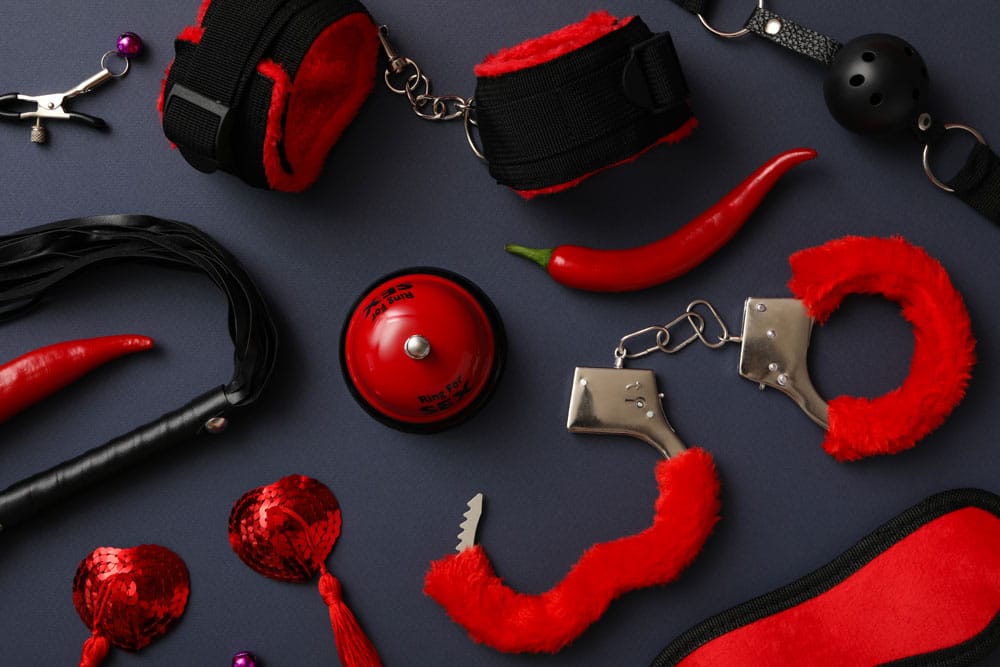
BDSM is a vast and nuanced realm that encompasses a wide spectrum of practices, preferences, and dynamics. Whether you’re new to the lifestyle or a seasoned practitioner, understanding the various types of BDSM can help you navigate this diverse world. Two primary categories within BDSM are Soft BDSM and Hard BDSM, each offering a different level of intensity, along with the integration of fetishism, which plays a significant role in personalizing these experiences.
This in-depth guide will explore these distinctions, shedding light on how individuals tailor their BDSM journeys, from the gentler aspects of role-playing and teasing to the more intense sensations of hard bondage and restrictive activities. We’ll also look at how fetishes and kinks naturally blend into BDSM practices, creating a world where sexual desires, emotional connections, and personal fantasies meet.
Soft BDSM
Soft BDSM refers to less intense, more accessible forms of BDSM, where the activities involved focus on gentle power play and mild forms of restraint or discipline. It’s often where people first explore their curiosities around BDSM before diving into more extreme practices. Soft BDSM can be highly erotic and emotionally intimate without involving the extreme physical or psychological intensity often associated with more advanced BDSM activities.
Common Practices in Soft BDSM

- Role-Playing: One of the most popular forms of soft BDSM, role-playing involves assuming characters or personas that heighten the dynamic between Dominant and Submissive. For example, a common role-play scenario might be that of a teacher and student or a boss and employee. It allows partners to explore power dynamics in a playful and controlled way.
Example: One partner may play the role of a strict teacher who disciplines their mischievous “student” for disobedience, using verbal commands and light spanking.
- Teasing and Sensory Play: Incorporating elements of teasing, such as light touches, feather ticklers, and gentle strokes, enhances sensitivity and anticipation. Sensory play might also include blindfolding the submissive to heighten other senses, making even the lightest touch feel more intense.
Example: A Dominant might blindfold their partner, teasing them with feathers or ice cubes, keeping them on edge and prolonging their pleasure.
- Light Bondage: Soft restraints like silk scarves, leather cuffs, or even everyday items like neckties are used to bind wrists or ankles, giving the submissive a sense of being controlled without any real discomfort.
Example: One partner’s hands may be tied to the bedpost with soft restraints, allowing the Dominant to control their movement without causing pain.
Why People Enjoy Soft BDSM
Soft BDSM provides an entry point for those curious about power dynamics but not ready for more intense sensations or restraint. It’s about the mental and emotional aspects of control and surrender, paired with mild physical engagement. For many, the anticipation and build-up during teasing and role-playing offer deep emotional satisfaction without the need for intense physicality.
Hard BDSM
At the other end of the spectrum, Hard BDSM involves more intense and sometimes more physically demanding activities. Hard BDSM usually involves advanced forms of bondage, higher levels of physical sensation (such as pain), and a deeper psychological power exchange between Dominant and Submissive. While these activities are more extreme, they are grounded in consent, communication, and a clear understanding of personal limits.
Common Practices in Hard BDSM
- Restrictive Restraints: Unlike the soft cuffs used in soft BDSM, hard BDSM may involve leather or metal cuffs, chains, or intricate rope bondage that severely limits the submissive’s mobility. The feeling of complete immobility can provide a heightened sense of control for the Dominant and vulnerability for the submissive.
Example: A Dominant may restrain their submissive in a complex shibari (rope bondage) tie, suspending them off the ground for a more intense form of submission.
- Impact Play: One of the more popular aspects of hard BDSM, impact play involves the use of tools such as floggers, whips, paddles, and canes to administer controlled strikes to the body. While this can sound harsh, it is done consensually and with consideration of the submissive’s pain threshold, allowing for the cathartic release of both physical and emotional tension.
Example: The submissive may bend over as their Dominant uses a paddle or flogger to administer strikes, starting gently and gradually increasing the intensity depending on the submissive’s tolerance.
- Pain Play and Sensory Overload: Hard BDSM often incorporates a range of sensations that push the submissive’s physical and mental boundaries. This can involve activities such as candle wax play, intense spanking, and even extreme sensory deprivation or overload (e.g., combining blindfolds, earplugs, and gags to isolate the submissive’s senses).
Example: The submissive might be blindfolded, gagged, and restrained, while the Dominant uses a variety of tools, from sharp pinwheels to candle wax, to heighten the experience of sensation.
Why People Enjoy Hard BDSM
Hard BDSM appeals to those who enjoy more intense power exchanges and sensations. Many participants find that pushing physical and mental boundaries helps them reach new levels of emotional release and connection. For the Dominant, controlling such intensity brings a sense of responsibility and mastery, while the submissive often experiences a deep sense of surrender and catharsis, especially when pain is involved.
Fetishism in BDSM

Fetishes and kinks are deeply personal, specific desires that play a significant role in BDSM dynamics. While BDSM itself is about power exchange, sensation, and control, fetishes focus on particular objects, body parts, or scenarios that bring sexual pleasure or fulfillment. These preferences can seamlessly integrate into both soft and hard BDSM scenes, enriching the overall experience.
What is a Fetish?
A fetish is an intense sexual focus on a particular object, body part, or activity. While many people have minor preferences or “turn-ons,” fetishes can be central to an individual’s sexual fulfillment. Common fetishes include foot fetishes, leather fetishes, or latex clothing.
- Foot Fetish: One of the most widespread fetishes, a foot fetish focuses on sexual attraction to feet. In BDSM, this might involve foot worship, where the submissive is required to massage, kiss, or lick the Dominant’s feet.
Example: The submissive kneels and worships their Dominant’s feet, kissing and licking as a way of showing devotion and obedience.
- Leather or Latex Fetish: Some individuals are sexually aroused by the look, feel, or smell of leather or latex clothing. In BDSM, this fetish is often combined with Dominance and Submission dynamics, where one partner may dress in head-to-toe leather or latex to embody their role more fully.
Example: The Dominant may wear a full leather outfit during a scene, while the submissive is required to worship and touch the leather, fulfilling both parties’ desires.
Integrating Fetishes and Kinks into BDSM
Fetishes can be seamlessly woven into both soft and hard BDSM play. Whether it’s a gentle foot worship scene in soft BDSM or latex-clad Dominance in a more intense hard BDSM setting, fetishes allow individuals to express their unique desires within the framework of BDSM power dynamics.
Popular BDSM-Related Fetishes:
- Foot Fetish: As mentioned, this can easily integrate into soft or hard BDSM scenes.
- Collaring Fetish: A collar can symbolize ownership, submission, and control, often with a deep emotional connection.
- Pet Play: In pet play, a submissive assumes the role of an animal (e.g., a puppy or kitten), while the Dominant plays the role of the pet’s owner. This can involve elements of bondage, role-playing, and discipline.
Combining Soft, Hard BDSM, and Fetishes
Many people find that their BDSM experiences don’t fit neatly into just “soft” or “hard” categories. Instead, they often blend aspects of both, alongside the integration of fetishes. For instance, a couple might engage in light teasing and role-playing (soft BDSM) before transitioning into more intense bondage or impact play (hard BDSM), all while indulging in a fetish for latex clothing or foot worship.
The ability to mix and match different aspects of BDSM, from the gentler sensations of soft play to the more intense power dynamics of hard BDSM, allows individuals to tailor their experiences based on personal preferences, comfort levels, and boundaries. The world of BDSM is highly customizable, and for many, the combination of soft, hard, and fetish elements creates a fulfilling and dynamic journey of exploration.