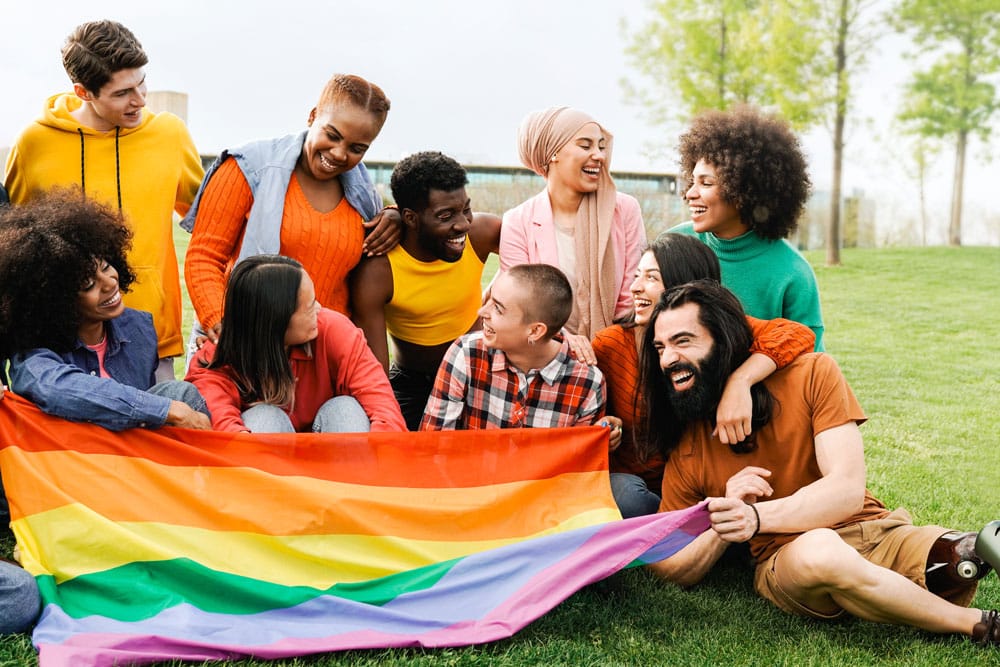
Welcome to a diverse world where individuals from various walks of life seek pleasure and satisfaction. Whether you're a dedicated workaholic, a nurturing housewife, a proud Swedish gay individual, a trio of lesbian friends embracing love, or a sex worker, we all share a common need for joy and fulfillment. Recognizing that pleasure and satisfaction are essential aspects of our lives, we strive to enhance your sexual experiences. Our aim is to provide ongoing pleasure and satisfaction, acknowledging the innate human instinct for intimacy and connection. Embrace a journey of heightened satisfaction with us, celebrating the diversity of desires and experiences that make us uniquely human.
A practical guide · 18 min read
Sexual Health Across Cultures: Understanding, Respecting and Caring for Everyone
How traditions shape the way we talk about sexual health, what good care looks like, and how to find support that respects where you come from.
Sexual health conversations don’t need to be loud to be powerful.
Introduction
Let’s talk about something that’s a part of every single one of us, something called sexual health. It’s about our bodies, our feelings, and how we connect with others in a very personal way. Think of it like this: just as we all need to eat and sleep, our sexual health is also a basic part of being human.
But here’s where things get interesting. How we talk about this part of ourselves, how we learn about it, and where we go if we need help can be wildly different depending on where we live and the culture we grew up in. Imagine, for a moment, that you’re in a place where talking about sex is like talking about the weather—open, easy, and nothing to hide.
Now picture another place, maybe just down the road or across the sea, where it’s considered very private, almost a secret, and not something you’d ever bring up in polite conversation. These differences are all around us.
It doesn’t matter if you’re a teenager, just starting to understand your body, or if you’ve lived many years and seen much of the world. It doesn’t matter if you’re married, single, or in any kind of relationship.
And it certainly doesn’t matter if your life is guided by strong religious beliefs or if you follow a different path. Your story, your background, and the people around you all play a big part in how you see and understand your sexual health.
This article is not here to tell anyone what they should or shouldn’t do. Instead, it’s like a friendly guide, offering simple ideas and honest truths. It’s about finding real ways we can all look after ourselves and each other.
And the most important part? We can do all of this without feeling any shame, without feeling pushed into anything, and without anyone judging us. When it comes to something as personal as our sexual health, kindness and understanding are what matter most.
“It doesn’t matter if you’re a teenager, just starting to understand your body, or if you’ve lived many years and seen much of the world.”
Culture Speaks: How Traditions Shape Our Understanding of Sexual Health
Sexual health isn’t just about biology or medical facts; it’s deeply rooted in the stories we’re told, the customs we inherit, and the environments we grow up in.
Much like learning a language, what feels natural or taboo depends entirely on where we’re from and what our culture teaches us is acceptable to say out loud.
In some communities, talking about sex is as casual as chatting about the weather. In others, it’s wrapped in silence, considered too private or even shameful to mention.
These cultural norms shape how we view our bodies, how we treat others, and how freely we express ourselves.
Take modesty, for example. In one village, women covering their hair in public might be a sign of respect and privacy, influencing how openly they discuss their bodies or relationships.
In another place, modesty might be interpreted differently, and conversations about sexuality could be far more direct. These differences go beyond clothing; they reflect how we present ourselves and what we’re taught to value.
“In another place, modesty might be interpreted differently, and conversations about sexuality could be far more direct.”
Gender Expectations: Who Gets to Speak, Decide, and Be Heard
Cultural ideas about gender roles also play a major part in shaping sexual health. In some societies, men are expected to lead, make decisions, and speak on behalf of the family, even when it comes to health and relationships. Women, on the other hand, may be expected to stay quiet, defer to others, or suppress their needs.
But not all cultures draw such rigid lines. In more progressive settings, roles are shared more equally, allowing individuals to express themselves freely and make joint decisions about their health and relationships.
These expectations, whether strict or flexible, profoundly influence how people experience and navigate their sexual health.
Silence Hurts: Why Open Conversations Matter
From the guide
In some societies, men are expected to lead, make decisions, and speak on behalf of the family, even when it comes to health and relationships.
The way we talk, or don’t talk, about sex can have lasting effects. In some homes, parents speak openly with their children about puberty, relationships, and consent.
In others, the topic is met with discomfort, silence, or even disapproval. This can leave young people feeling confused, ashamed, or afraid to ask questions.
Imagine a teenager going through changes but feeling unable to speak to anyone about it. If their culture discourages open dialogue, they might turn to unreliable sources or internalize harmful myths. And it’s not just about age; many adults also struggle to find safe spaces to ask questions or seek help.
Recognizing these cultural influences helps us respond with empathy. It reminds us that no belief system is inherently wrong, but that silence and shame can be harmful.
By fostering understanding and kindness, we create a world where everyone feels safe to speak, learn, and care for their sexual health without fear or judgment.
“If their culture discourages open dialogue, they might turn to unreliable sources or internalize harmful myths.”
Gender and Orientation: More Than Just Labels
Sexual health is not one-size-fits-all; it’s deeply personal and shaped by how we understand ourselves.
Gender identity plays a major role here. It’s not just about being male or female; it includes those who identify as non-binary, transgender, or anywhere along the gender spectrum. These identities influence how people experience their bodies, relationships, and healthcare.
Imagine a non-binary person filling out a medical form that only offers “male” or “female” options. That small moment can feel alienating, making it harder to access care that feels safe and affirming.
Similarly, sexual orientation, whether someone is attracted to the same gender, a different gender, or multiple genders, shapes the kind of support and advice they need.
When healthcare providers understand and respect these identities, they offer care that’s not just medically sound but emotionally supportive.
Faith, Tradition, and the Moral Compass
For many, religion and spirituality are powerful guides in decisions about intimacy, relationships, and family. These beliefs can shape views on contraception, marriage, and even when it’s appropriate to discuss sexual health.
For example, someone whose faith emphasizes abstinence before marriage might approach conversations about contraception with caution, and that perspective deserves respect, not judgment.
Faith can be a source of strength, but it can also create tension when navigating modern healthcare. That’s why providers need to honour these beliefs while still offering accurate, compassionate information.
Respecting someone’s spiritual path doesn’t mean compromising care; it means tailoring it with empathy and understanding.
Language, Community, and the Power of Belonging
The way we speak, the communities we belong to, and the traditions we follow all shape our sexual health journey.
Language affects how we express our needs; community norms influence what’s considered acceptable; and cultural taboos can silence important conversations.
Picture someone in a tight-knit community where sex is never discussed openly. For them, seeking help might mean finding a discreet, trusted elder or turning to anonymous online support.
That’s why care must be flexible, offering safe spaces, multiple options, and the freedom to share only what feels comfortable.
When identity is respected, whether it’s gender, orientation, faith, or cultural background, sexual health care becomes more than a clinical service. It becomes a source of empowerment, healing, and dignity.
“When identity is respected, whether it’s gender, orientation, faith, or cultural background, sexual health care becomes more than a clinical service.”
The Weight of Silence: When Fear Replaces Dialogue
In many communities, sexual health is cloaked in silence. The topic is rarely spoken about, and when it is, it’s often met with discomfort or disapproval. This silence isn’t just awkward; it’s harmful.
People fear being judged, misunderstood, or even punished for asking questions or sharing their experiences. The result? Vital conversations never happen, and individuals are left alone with confusion, anxiety, and unanswered concerns.
Imagine a young person curious about their changing body but too afraid to ask a parent or teacher for help. That fear creates a vacuum where myths and misinformation thrive, and where shame becomes a barrier to learning and healing.
Misinformation, Delay, and Risk: The Hidden Costs of Shame
From the guide
That fear creates a vacuum where myths and misinformation thrive, and where shame becomes a barrier to learning and healing.
When people don’t feel safe to talk, they often turn to unreliable sources, hearsay, rumors, or misleading advice.
This can lead to dangerous misunderstandings about contraception, sexually transmitted infections, or basic reproductive health. Without accurate information, individuals may make choices that put their well-being at risk.
Fear also stops people from seeking help. Someone experiencing symptoms might avoid the clinic out of embarrassment, hoping the issue resolves itself.
But silence can turn a minor concern into a serious health problem. The stigma surrounding sexual health doesn’t just hurt feelings; it can damage lives.
Breaking the Cycle: Why Safe Conversations Save Lives
The solution to this silence is simple but powerful: talk. Not loudly or publicly if that’s uncomfortable, but honestly, safely, and without judgment.
Everyone deserves access to clear, accurate information in a language they understand and in a space where they feel respected.
Whether it’s a quiet chat with a trusted friend, a private consultation with a kind healthcare provider, or reading reliable resources online, open dialogue empowers people to make informed choices. It replaces fear with confidence and transforms shame into strength.
The Unicorn Package — Discover Your Unique Sexual Self is designed for individuals who want to explore their sexual identity, desire, and pleasure from a healthy, safe, and empowering perspective.Through guided conversations, psychoeducation, and reflective exercises, the package explores the diversity of sexual experiences and helps the client better understand their desires, boundaries, values, and needs.This program supports individuals who wish to move beyond shame, confusion, or restrictive social expectations and develop a more authentic and fulfilling relationship with their sexuality. RoadmapSessionFocusSession 1Personal history and sexual self-awarenessSession 2Understanding desire, pleasure, and beliefs about sexualitySession 3Boundaries, consent, and emotional safetySession 4Reconnecting with the body and expanding pleasureSession 5Integration and personal empowerment planExpected OutcomesBy the end of the program, clients may:
Develop deeper awareness of their unique sexuality
Feel more confident expressing desires and boundaries
Reduce shame or confusion around sexual identity or preferences
Build a healthier and more authentic relationship with pleasure and intimacy
Included Materials / Exercises
Guided reflection exercises
Journaling prompts
Educational resources on sexual well-being
The Recovery & Control Program designed to replace compulsive habits with healthy behavioral patterns. Over five sessions, you will build a toolkit of physical and emotional regulation strategies to manage urges and rebuild self-command.🧭 The RoadmapDiscovery (Session 1): Detailed mapping of compulsive patterns and specific triggers.Behavior Rewiring (Session 2): Implementing strategies to change the brain's "reward" response.Emotional Regulation (Session 3): Using physical and mental tools to handle high-stress moments without pornography.Habit Transformation (Session 4): Building positive lifestyle habits to replace the addiction cycle.Relapse Prevention (Session 5): Designing a long-term plan to ensure sustainable control.Outcome:
Greater self-control, reduced compulsion frequency, increased awareness.
This
individual session offers a focused, safe, and non-judgmental space to explore
a challenge or moment of transition in your life, related to your wellbeing,
sexuality, relationships, or your relationship with yourself. In this single
session, you will gain clarity on your objective and a first orientation on
what may be influencing your current situation.The goal of
this session is not to resolve deep or long-standing patterns, but to help you
take a conscious first step: identify what is happening, what you need, and
which direction may support you best. This is a one-off session designed to
generate concrete awareness and can work independently or as a first meeting to
assess whether a longer coaching process might make sense for you.The space
is designed for you to express yourself with confidence, connect with your
emotional world, and understand which actions or decisions could help you move
forward with greater wellbeing and coherence.🧭 The RoadmapThis 60-minute session is structured to provide orientation and immediate insight:Clarification: A brief introduction to define the specific challenge or transition you wish to work on.Exploration: A deep dive into the psychological, emotional, and relational aspects involved in your current situation.Needs Identification: Connecting with your emotional world to pinpoint what you truly need right now.Action Planning: Developing a personalized guidance plan with concrete insights to help you move forward.Joint Assessment: A collaborative review to determine if a longer coaching process would be beneficial for your goals.✨ Expected OutcomesBy the conclusion of this session, you will be able to:Gain greater clarity on your primary objectives.Recognize patterns—emotional or relational—that are influencing your daily experience.Connect deeply with your authentic needs and desires.Receive initial tools and professional guidance to begin your transformation.Determine next steps, including whether a continued coaching process is the right fit for you.✨Included
Materials or Exercises
Exercises, reflections, or personalized practices may be offered after the
session, depending on the participant’s needs.
Good care isn’t just about medicine; it’s about how people are treated when they seek help. It’s about dignity, safety, and understanding. Here’s what truly inclusive and compassionate sexual health care should offer:
Kindness Over Judgment
Every person deserves to be met with warmth, not scrutiny.
Questions about symptoms or contraception should be welcomed, not judged.
Providers should offer clear, unbiased information; no shame and no hidden agendas.
Why it matters: When people feel safe, they speak honestly. That honesty leads to better care and healthier outcomes.
Respect for Privacy and Modesty
Private consultation spaces where conversations stay confidential.
Sensitive handling of personal questions and physical exams.
Offering gowns and asking for consent before touching are small gestures that build big trust.
Why it matters: Feeling exposed can shut people down. Respecting modesty opens the door to real dialogue.
Embracing Identity and Diversity
Care should reflect and respect all identities, genders, orientations, beliefs, and relationship styles.
Clinics should offer resources tailored to LGBTQ+ individuals and non-traditional families.
Providers must be trained to understand and affirm diverse experiences.
Why it matters: No one should feel invisible. Inclusive care validates every person’s story.
“Here’s what truly inclusive and compassionate sexual health care should offer: Why it matters: When people feel safe, they speak honestly.”
Clear, Accessible Communication
Use everyday language; ditch the medical jargon.
Translate information into local languages to ensure full understanding.
Make sure advice is practical, relatable, and easy to follow.
Why it matters: Confusion leads to mistakes. Clarity empowers people to take control of their health.
Creating a Welcoming Environment
Friendly staff, clear signage, and a calm atmosphere make a huge difference.
Providers should listen patiently and involve people in decisions about their care.
Clinics should feel like safe spaces, not intimidating institutions.
Why it matters: When people feel welcome, they come back. They ask questions. They take charge of their well-being.
Everyone deserves sexual health care that feels safe, respectful, and empowering. When kindness replaces shame and clarity replaces confusion, people thrive. Good care isn’t just good medicine; it’s good humanity.
“Everyone deserves sexual health care that feels safe, respectful, and empowering.”
Community Ideas That Truly Work
Sexual health conversations don’t need to be loud to be powerful. Sometimes, the quietest exchanges carry the deepest impact. Here’s how communities can foster healing, understanding, and connection through shared experiences:
The Power of Personal Stories
When someone shares a real experience, confusion, fear, or discovery, it helps others feel less alone.
Hearing “I’ve been through that too” can lift the weight of isolation and spark relief.
These stories don’t need to be public announcements; even private chats can be transformative.
Why it works: Vulnerability invites connection. It shows others they’re not the only ones navigating uncertainty.
Safe Spaces for Quiet Conversations
Trusted friends, family members, or compassionate health providers can offer a safe space to talk.
Listening without judgment and acknowledging someone’s feelings builds trust and healing.
These moments of empathy can be life-changing, even if they happen behind closed doors.
Why it works: Feeling heard and understood is often the first step toward seeking help and making informed choices.
“Here’s how communities can foster healing, understanding, and connection through shared experiences: Why it works: Vulnerability invites connection.”
Bridging Generations and Cultures
Older relatives sharing past experiences can help younger people understand cultural shifts and taboos.
Young people sharing their current realities can open elders’ eyes to modern challenges and perspectives.
Cross-cultural storytelling breaks down stereotypes and builds empathy.
Why it works: Story exchange fosters mutual respect and reveals the shared humanity beneath our differences.
Building a Compassionate Community
Storytelling creates solidarity, reminding us that we all seek understanding, dignity, and support.
It strengthens the social fabric, making communities more open, informed, and resilient.
Whether through informal chats, support groups, or storytelling circles, these exchanges matter.
Why it works: When people feel connected, they are more likely to seek care, share knowledge, and support others.
Real change begins with real stories. When we listen with empathy and speak with honesty, we build communities where sexual health is no longer a source of shame but a shared journey of care, courage, and connection.
1-minute check
Is it time to ask for help?
Answer three questions and we will suggest where to start. There is no wrong answer.
Has culture, faith or family made sexual health hard to talk about?
Is it affecting your relationships, confidence or the care you get?
Would it help to talk with someone who respects your background?
Answer all three to see a suggestionTalk to a specialistPrivate online sessions, in your language
Sexual health education isn’t just about biology; it’s about dignity, understanding, and empowerment. When done right, it equips people of all ages and backgrounds with the tools to make informed, respectful, and confident choices.
Speak in Everyday Language
Sexual health education should be accessible to everyone, not just those familiar with medical terminology. When vital information is buried under complex jargon, it becomes intimidating and confusing.
Imagine trying to understand something essential to your well-being, only to feel lost in a sea of unfamiliar words. Good education breaks down these barriers by using everyday language, words people use in their daily lives.
For example, instead of saying “the comparative efficacy rates of various barrier methods,” a more effective approach would be, “Here’s how condoms help prevent pregnancy and protect against infections like HIV, and here’s how dependable they are when used correctly.”
This kind of clarity ensures that people from all backgrounds, regardless of their education level, can understand and apply what they learn.
“When done right, it equips people of all ages and backgrounds with the tools to make informed, respectful, and confident choices.”
Respect All Beliefs and Values
Inclusive sexual health education recognizes that people come from diverse cultural, religious, and personal backgrounds. These beliefs shape how individuals view relationships, intimacy, and health.
Rather than ignoring these differences or pushing a single viewpoint, good education creates space for respectful dialogue.
It acknowledges various family structures—traditional, single-parent, blended, or same-sex—and explores different perspectives on topics like marriage, contraception, and intimacy.
The goal isn’t to convert or criticize, but to inform and empower. By presenting accurate facts while honoring personal values, education becomes a tool for growth rather than a source of conflict.
Encourage Every Question
From the guide
By presenting accurate facts while honoring personal values, education becomes a tool for growth rather than a source of conflict.
A truly inclusive learning environment welcomes curiosity. Whether in a classroom, a community workshop, or a private consultation, every question, no matter how personal or seemingly trivial, deserves a thoughtful response.
Too often, people hesitate to ask about changes in their bodies or feelings due to fear of ridicule or judgment. A young person might be unsure about puberty, while an older adult might have questions about sexual health later in life.
When educators respond with patience and empathy, they create a space where learning becomes active and personal. This openness encourages people to seek answers, clarify long-held doubts, and explore their experiences without shame.
Build Trust, Not Fear
Historically, discussions about sexual health have often been steeped in fear and taboo. Many people associate the topic with stern warnings, guilt, or anxiety.
Effective education turns this narrative around by fostering trust. When learners feel safe and respected, they’re more likely to absorb positive messages, seek help when needed, and make informed decisions.
Trust between educators and learners, or among peers in a group setting, creates a foundation for meaningful engagement. Instead of being burdened by ignorance or fear, individuals gain confidence and clarity, empowering them to take control of their health and relationships.
“When learners feel safe and respected, they’re more likely to absorb positive messages, seek help when needed, and make informed decisions.”
Education for Every Age, Every Background
Sexual health education should be for everyone, regardless of age, background, or life experience.
Whether someone is a teenager navigating puberty, a newlywed exploring intimacy, or an elder facing changes in their body, they deserve clear, compassionate guidance.
This means tailoring education to different life stages and using local languages and culturally relevant examples. Materials should be easy to understand, even for those with limited literacy or formal education.
When education is inclusive and accessible, it uplifts entire communities, ensuring that no one is left behind.
The Heart of Inclusive Learning
At its core, sexual health education is about more than facts; it’s about dignity, understanding, and empowerment.
When we teach with compassion and listen with respect, we replace confusion with clarity, shame with confidence, and silence with meaningful dialogue.
Inclusive education builds trust, encourages curiosity, and honors the diverse experiences that shape our lives.
It equips individuals with the knowledge and confidence they need to live healthier, more fulfilling lives, and it strengthens the bonds within families, communities, and cultures.
Sharing Stories Builds Connection
Sharing personal stories can create powerful bonds. These stories remind us that we are not alone in our experiences. Even simple moments, when shared with honesty, can spark deep understanding and empathy.
When someone opens up about their sexual health journey, whether it’s confusion during puberty, silent struggles with a health issue, the joy and challenge of a new relationship, or a journey of self-discovery, it can be transformative. Others who hear these stories may be facing similar issues. They feel seen, understood, and less alone.
“When we teach with compassion and listen with respect, we replace confusion with clarity, shame with confidence, and silence with meaningful dialogue.”
The Quiet Power of Relating
Imagine someone lying awake at night, burdened by questions about their body or feelings. They may believe no one else could understand.
Then, they hear a story that mirrors their own, maybe in a podcast, an online group, or a quiet chat with a friend. Suddenly, they feel lighter. Their worries seem less overwhelming. That shared experience brings comfort and clarity.
Connection Doesn’t Need a Stage
From the guide
Then, they hear a story that mirrors their own, maybe in a podcast, an online group, or a quiet chat with a friend.
Sharing doesn’t have to be public or dramatic. It doesn’t require a microphone or a crowd. The most powerful moments often happen in private.
A quiet talk with a trusted friend, a caring family member, or a kind healthcare provider can make a huge difference. These safe spaces allow people to open up without fear.
Listening with Heart
When someone listens without judgment, they offer more than just attention. They offer acceptance. They hear the emotions behind the words.
Not only that, but they understand the vulnerability being shared. This kind of listening helps the speaker feel truly seen and valued. It builds trust and reduces shame.
Bridging Generations and Cultures
Storytelling also connects people across generations and cultures. An elder might share memories of strict norms or hidden taboos from their youth.
A younger person might talk about modern challenges like online dating or gender identity. These exchanges help both sides understand each other better.
Across cultures, personal stories break down stereotypes. They reveal the shared human experience beneath different customs. They show that, despite our differences, we all seek love, understanding, and support.
When we share and listen with respect, we build a more compassionate world. These stories weave a stronger social fabric. They help us face life’s challenges with empathy and unity.
In matters of sexual health, this connection is very important. It reminds us that we all deserve care, dignity, and support.
The Deep Healing & Partnership Transformation is Gregory Styan’s most intensive couples program. It is designed for partners ready to rebuild their relationship from the ground up, addressing long-standing resentments and fundamentally shifting the relational dynamic. By combining advanced polarity work with deep emotional healing, this program creates a stable, loving, and sustainable partnership.🧭 The RoadmapIncludes the core "Reset" work plus Advanced Mastery Modules:Emotional Intimacy Deep-Dive: Moving beyond communication into profound emotional vulnerability.Healing Resentment: Strategies to process and release past emotional wounds and grievances.Understanding Core Needs: Aligning individual needs with the health of the partnership.Polarity & Attraction Restoration: Utilizing masculine and feminine energy to rekindle attraction.Long-Term Relationship Blueprint: A comprehensive, multi-year plan for partnership success.
The 11-Session Long-Term Package is intended for individuals seeking deeper and more sustained therapeutic work. This option allows for a more comprehensive approach, addressing complex challenges and supporting long-term behavioral and emotional change.With extended time, we can move beyond surface-level issues and focus on identifying root causes, reshaping patterns, and reinforcing new habits. The therapeutic process becomes more structured and impactful, with continuous adjustments based on your progress.This package is particularly suitable for individuals working on long-standing difficulties or those who want to fully commit to personal growth and transformation. What You Will Gain:
In-depth therapeutic process
Stronger and more sustainable progress
Continuous guidance and feedback
Long-term strategy development
Additional Information:
Exercises and materials will be provided if necessary
Expert involvement: only if required
Prerequisites & conditions: not required Required Documents:
Professional performance and privacy form
An integrative 10-week program designed for women
and LGBTQ+ individuals who want to explore their sexuality through
self-knowledge, identity, values, and holistic wellbeing.This program combines sexual education with tools for
self-awareness, body work, identity reflection, communication, boundaries,
decision-making, and pleasure narratives. It is inclusive, rights-based,
values-driven, and evidence-informed, following the principles of Comprehensive
Sexual Education.🧭 The 10-Week RoadmapEach session is designed to build upon the last to facilitate deep personal transformation:Session 1 — Sexual Self-Knowledge: Who Am I
Today?
Themes: self-knowledge, early sexual narratives, sexual-life mapping
Objective: Explore your current relationship with your body, desire,
sexuality, and learned patterns.
Content Highlights: Timeline of sexual-affective experiences, inherited
beliefs, first body map (comfort/discomfort). Explore your current relationship
with your body, desire, and sexuality, and set your intentions for this
journey. Session 2 — Identity, Gender & Orientation:
Being Me
Themes: gender identity, expression, roles, orientation, authenticity
Objective: Understand and define your identity free from stereotypes.
Content Highlights: Discover your authentic identity, challenge
stereotypes, and empower your sexual self-expression. Session 3 — Values & Sexuality: What Guides
Me
Themes: values, personal ethics, internal coherence
Objective: Connect personal values to sexual choices and relationships.
Content Highlights: Connect your values to your choices and
relationships, clarifying your “non-negotiables” and “expansive yes.” Session 4 — Body, Image & Self-Exploration
Themes: body image, self-exploration, anatomy
Objective: Improve body relationship through knowledge and acceptance.
Content Highlights: Deepen body awareness, acceptance, and pleasure
through mindful exploration and anatomy knowledge. Session 5 — Emotional Regulation in Sexuality
Themes: emotions, safety, sexual anxiety, shame
Objective: Integrate emotions as part of the sexual experience.
Content Highlights: Learn to recognize and integrate emotions, reducing
anxiety and enhancing desire and safety. Session 6 — Communication & Boundaries:
Expressing Needs
Themes: communication, consent, boundaries, negotiation
Objective: Learn to express desires and limits without guilt.
Content Highlights: Practice assertive communication, consent, and clear
boundary-setting with confidence and ease. Session 7 — Conscious Relationships &
Decision-Making
Themes: relationship types, romantic love, healthy choices
Objective: Review relational patterns and make aligned decisions.
Content Highlights: Understand relational patterns and make choices
aligned with your wellbeing and pleasure. Session 8 — Pleasure, Desire & Eroticism:
Reconnecting with Life
Themes: pleasure, desire, eroticism, autonomy
Objective: Expand erotic repertoire and develop a free, empowered
relationship with pleasure.
Content Highlights: Expand your erotic repertoire, reconnect with
desire, and enjoy pleasure freely and fully. Session 9 — Sexual Narratives: Deconstruction
& Rewriting
Themes: narratives, sexual identity, reframing
Objective: Reflect on personal sexual history and create empowering
narratives.
Content Highlights: Identify limiting narratives, rewrite stories from
personal power, imagine future sexual stories. Session 10 — Integration & Long-Term Sexual
Wellbeing PlanThemes: integration, autonomy, self-care, sexual projectObjective: Consolidate learning and design a sustainable sexual
wellbeing plan.Content Highlights: Integrate values, boundaries, emotions, and
pleasure; self-care strategies, closing ritual and commitment.✨ Expected OutcomesBy the end of the program, participants will:
Deeper sexual and emotional self-awareness: Develop a deeper understanding of your sexual and emotional self
Aligned identity and decision-making: Align your identity and core values with your personal choices and decisions
Improved body connection and pleasure: Strengthen your relationship with your body and enhance your experience of pleasure
Clear communication of needs and boundaries: Communicate your boundaries and needs with clarity, confidence, and respect
Recognition and transformation of patterns: Identify recurring relational patterns and work to transform them constructively
Emotional regulation in intimacy: Gain practical tools to regulate emotions in intimate and relational contexts
Empowered sexual narrative: Cultivate a more authentic, empowered, and conscious sexual self-narrative
Sustainable wellbeing plan: Create a long-term, sustainable plan for sexual and relational wellbeing
🛡️ Included Materials & StandardsParticipants receive a comprehensive suite of personalized tools to support their journey:Body self-exploration worksheet
Personal sensory pleasure map
Weekly self-knowledge exercises
Communication and boundaries guide
Conscious decision-making diagram
Narrative rewriting template
Final sexual wellbeing plan
At the heart of this conversation lies a simple but powerful truth: we can honour our cultures while embracing compassionate care.
This is where understanding meets well-being. It’s the path toward a more connected and healthier global community.
Sexual health belongs to everyone. It’s not limited to one culture, one group, or one way of life. Just like hunger or the desire for happiness, sexual health is a basic part of being human.
It crosses borders, beliefs, and backgrounds. It touches every life, no matter the story.
Care That Sees the Whole Person
Everyone deserves care that is honest, inclusive, and respectful. This is not just a kind idea; it’s a human right.
True care sees the whole person. It respects your story, your beliefs, and your traditions. It doesn’t force you into a narrow box. Likewise, it meets you where you are, with empathy and understanding.
For example, when someone’s family planning choices are shaped by faith, respectful care offers accurate information while honouring those values. It ensures access to all options, without judgment or pressure.
“For example, when someone’s family planning choices are shaped by faith, respectful care offers accurate information while honouring those values.”
Tradition and Safety Can Coexist
We don’t have to choose between tradition and safety. Sometimes, it may feel like cultural practices clash with modern health advice. But there is a better way forward. We can find thoughtful ways to honour both.
Imagine a community that celebrates traditional coming-of-age ceremonies. These rituals can be adapted to include modern health education, like consent, bodily autonomy, and protection, woven gently into the tradition. This shows how culture can evolve while keeping its essence and protecting health.
Speak Gently, Listen Deeply, Learn Together
From the guide
These rituals can be adapted to include modern health education, like consent, bodily autonomy, and protection, woven gently into the tradition.
To move forward, we need open hearts and minds. We must listen actively, learn from each other, and adapt with compassion. This means looking beyond our views to understand others.
Speaking gently invites conversation. Listening deeply reveals hidden fears and hopes. Learning together helps us grow stronger as communities. It leads to solutions that are respectful, effective, and culturally appropriate.
A Future Rooted in Shared Humanity
By committing to these principles—respect, inclusion, tradition, safety, and empathy—we build a world where dignity and well-being are for all.
These are not distant dreams. They can become real for everyone, no matter their background or beliefs.
This journey takes effort and reflection. But it holds great promise: a global community that is healthier, kinder, and more united.
Each step brings us closer to a future built on care and shared humanity.
A focused screening consultation designed to explore cognitive, emotional,
and behavioral concerns that may indicate underlying neuropsychological
factors. Ideal for clients experiencing attention difficulties, memory issues,
executive dysfunction, or emotional regulation problems.Structure
Clinical
interview
Cognitive
and behavioral symptom screening
Preliminary
neuropsychological impressions
Recommendations
for full assessment or intervention plan
OutcomeClients gain initial clarity on whether a comprehensive neuropsychological
evaluation is recommended and receive guidance on next steps.Conditions
Suitable
for adults and adolescents (16+)
No prior
diagnosis required
This consultancy moves beyond a purely clinical framework that divides human experience into “function” and “dysfunction.” Instead, it adopts a phenomenological and relational approach—one that observes what is present without judgment, allowing meaning, depth, and transformation to emerge naturally from lived experience.The focus is not on fixing sexuality, but on understanding it as a living expression of the self—rich with intelligence, creativity, and relational meaning.1. The Symptom as Creative ExpressionWithin Gestalt therapy, a sexual symptom is not understood as a malfunction to be corrected, but as a meaningful creative adjustment. It is the system’s way of communicating something that has not yet found language.As we move through the 10 sessions, symptoms are approached as messages rather than problems.
“The body is our general medium for having a world.” — Maurice Merleau-Ponty
From this perspective, sexuality is not merely a biological function, but the lived atmosphere of existence itself. The body is approached not as a mechanism, but as a conscious expression of being-in-the-world.2. The Relational Field: The “Between”A central foundation of this work is the philosophy of Martin Buber, where sexuality is understood as a relational encounter rather than an isolated act.When difficulties arise, it is often the quality of connection that becomes disrupted.
“All real living is meeting… Through the Thou, a person becomes I.” — Martin Buber
These sessions focus on restoring what Buber calls the “Between” (Das Zwischen)—the relational space where genuine connection occurs.By shifting attention from performance to presence, sexuality is redefined as an authentic encounter rather than an act to be achieved.3. The Ten-Session Path: Rediscovering AuthenticityTransformation requires time, rhythm, and containment. The 10-session structure allows for a gradual unfolding of awareness, creating space for deeper understanding and integration.
Deconstruction: Moving beyond labels such as “dysfunction” to understand the lived experience beneath them
Phenomenological Awareness: Applying Epoché (suspension of judgement) to observe desires, sensations, and patterns as they are
Integration: Reconnecting bodily vitality with emotional and relational life
This process supports the emergence of a more authentic and original sexual expression.4. Integration of Science and Depth PsychologyThis work is grounded in a unique integration of medical knowledge and Gestalt psychotherapy. With 30 years of experience as both a Medical Doctor and a relational-holistic therapist, this approach bridges biological understanding with emotional and existential insight.While this is an online consultancy and not a medical treatment or clinical intervention, it provides a structured, safe, and reflective space where psychological and physiological dimensions of sexuality can be explored in depth.Summary of the JourneyPhaseFocusObjectiveSessions 1–3Listening to the SymptomTransforming “dysfunction” into meaningful communicationSessions 4–7The Relational FieldExploring connection and the quality of the “Between”Sessions 8–10Expressing OriginalityReclaiming sexuality as creative, living expressionConclusionAt the end of this 10-session journey, the aim is not simply problem resolution, but transformation of perspective. Sexuality is no longer experienced as something to manage or correct, but as something to inhabit—alive, expressive, and continuously evolving.It returns to its essential nature: a form of presence, communication, and creative human expression.
A focused, high-impact program designed for individuals and couples who want to quickly gain clarity, improve communication, and address key relational challenges. This structured process builds strong foundations for healthier, more conscious relationships.🧭 The RoadmapThis program follows a clear progression from awareness to practical change:Phase 1: Awareness & Assessment (Sessions 1–2)
Full relationship history exploration
Identification of attachment styles
Mapping core patterns, triggers, and recurring challenges
Phase 2: Core Skills Development (Sessions 3–4)
Emotional regulation techniques to manage reactions
Communication frameworks to improve clarity and reduce misunderstandings
Introduction to boundary setting and needs expression
Phase 3: Integration & Reset (Session 5)
Practical conflict-resolution strategies
Initial pattern interruption techniques
Creating a short-term relational improvement plan
✨ Additional Benefits
Fast and focused intervention
Immediate practical tools and frameworks
Clear understanding of relational dynamics
Foundation for deeper future work
✨ Expected Outcomes
Noticeable improvement in communication and emotional awareness
Reduced conflict frequency through better regulation techniques
Increased clarity on personal patterns and relational dynamics
Improved ability to express needs and boundaries
A structured plan for continued personal and relational growth
📦 Included Materials
Personalised worksheets
Communication scripts
Weekly reflection exercises
Action steps for implementation
✅ PrerequisitesNone — suitable for individuals or couples seeking clarity and immediate improvement in their relationship dynamics.







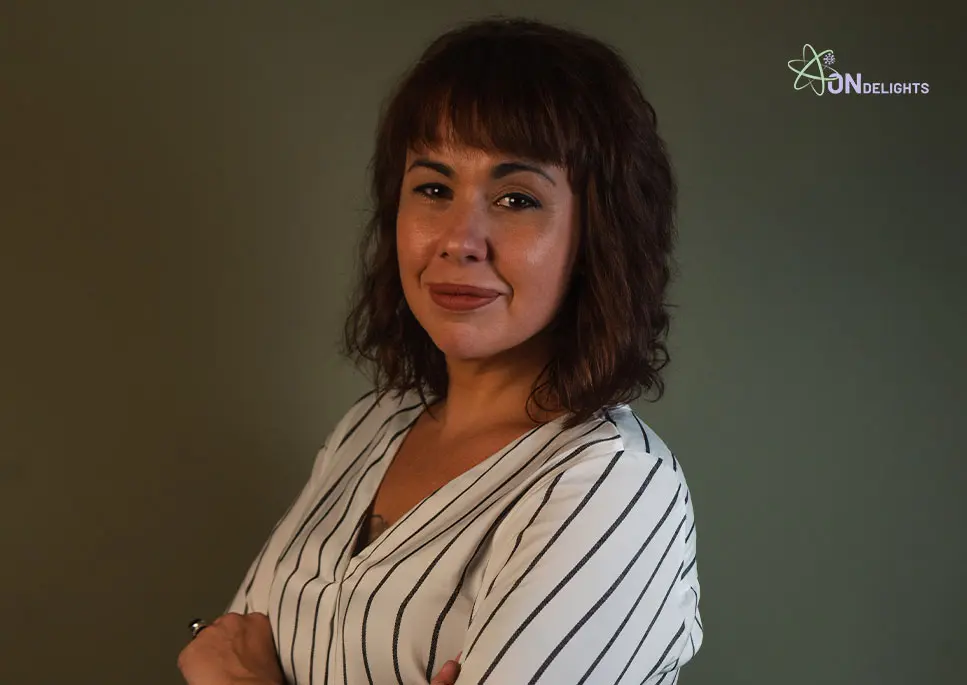
 Expert
Pamela Tórtola Colindres