Languages Spanish, English, Italian, French
Sessions 3
Duration 90
Awaken the Woman Volcano: A 3-Session Journey to Erotic Liberation & Inner Power: Reclaim your authentic feminine fire and transform emotional wounds into radiant confidence with this deeply immersive three-session journey. Designed to help you heal your relationship with your sexuality and affection, the "Woman Volcano" program guides you through a progressive reclamation of your Inner Child, Adolescent Self, and Adult Woman. Over three extended 90-minute sessions, we will create a profoundly safe space to release the shame, fear, and limiting conditioning that may be blocking your vitality. By combining compassionate therapeutic guidance with powerful somatic awareness, you will gently heal early emotional wounds, strengthen your personal boundaries, and dismantle the societal sexual myths keeping you disconnected from your deepest desires.Because true liberation must be felt in the body, this journey is deeply anchored in transformative, fully clothed Tantric practices. Each session builds energetically upon the last—starting with grounding breathwork to regulate your nervous system, moving into dynamic emotional release, and culminating in an extended somatic practice designed to awaken your conscious pleasure and full-body energetic flow. You will walk away from this empowering container equipped with profound sexual self-esteem, fiercely empowered boundaries, and the unwavering confidence to step into the world as the passionate, deeply rooted, and liberated woman you were always meant to be.
Worldwide ExpertiseTranspersonal Therapist & Tantra Facilitator
Local ExpertiseTranspersonal Therapist & Tantra Facilitator

Languages Spanish, English, Italian, French
Sessions 2
Duration 90
Discover Your Inner Goddess: A Jungian Journey to Feminine Balance: Reconnect with the multifaceted feminine energies that shape your relationships, career, and deepest sense of self in this transformative two-session workshop. Inspired by Jungian psychology and the seven Greek Goddess archetypes, this immersive experience helps you decode your internal emotional map. In our first extended 90-minute session, we will explore the delicate balance between your autonomy and your emotional connections. Together, we will dive into the independent "Virgin Goddesses" (Artemis, Athena, Hestia) to understand your personal drive, focus, and inner peace, alongside the relational "Vulnerable Goddesses" (Hera, Demeter, Persephone) to gently illuminate your attachment patterns, emotional boundaries, and relationship dynamics.In our second session, we awaken the alchemical energy of Aphrodite, guiding you to confidently reclaim your creativity, sensuality, and vibrant passion for life. Rather than forcing yourself into a single rigid category, we will weave these seven distinct energies together to create your unique, personalized archetypal map. You will learn to identify which goddesses are currently running the show, and which suppressed energies are waiting to be consciously awakened. You will walk away from this empowering container with a customized integration plan, giving you the practical psychological tools to dynamically shift between these inner energies and navigate your life with profound authenticity, balance, and unwavering confidence.
Worldwide ExpertiseTranspersonal Therapist & Tantra Facilitator
Local ExpertiseTranspersonal Therapist & Tantra Facilitator

Languages Spanish, English, Italian, French
Sessions 2
Duration 90
Awaken Conscious Love: A 2-Session Tantric Immersion for Couples: Break free from routine and rediscover your partner with fresh eyes in this transformative, two-session Tantric workshop. Designed to help you slow down and cultivate profound emotional, physical, and energetic reconnection, this experience invites you to turn intimacy into a deeply conscious, playful practice. In our first extended 90-minute session, we focus on presence and sensory awakening. Through guided conscious touch and a unique sensory exploration utilizing fruit and chocolate, you will learn to release performance expectations and reconnect with pure, intentional pleasure. By slowing down the pace of your interactions, you will begin to map a new foundation of tenderness, safety, and profound emotional attunement right in the room.Building on that foundation of trust, our second session elevates your connection by awakening the energetic fire and polarity between you. Through guided Tantric breathing, conscious eye contact, and intentional movement, you will learn to synchronize your energy and communicate deeply without saying a single word. This practice isn't about performance; it’s about awakening full-body sensitivity and cultivating a secure, vibrant union. You will leave this immersive workshop with a personalized roadmap and practical take-home tools to integrate these practices into your daily life—empowering you to continually experience
Worldwide ExpertiseTranspersonal Therapist & Tantra Facilitator
Local ExpertiseTranspersonal Therapist & Tantra Facilitator

Languages Spanish, English, Italian, French
Sessions 4
Duration 90
Embody Your Cyclical Wisdom: A Journey to Feminine Power : Reconnect with your body’s natural rhythms and transform your menstrual cycle into a powerful roadmap for intuition, creativity, and empowerment. This immersive four-session journey is designed for women ready to stop fighting their cyclical nature and start embracing the unique feminine energies that live within them. Over four extended 90-minute sessions, we will explore the four distinct archetypes of your cycle—the intuitive Priestess, the visionary Maiden, the magnetic Mother, and the transformative Shamaness. By understanding the emotional and energetic wisdom of each phase, you will learn to seamlessly synchronize your daily life, your sensuality, and your personal growth with your body’s innate flow.Because true feminine empowerment must be felt in the body, each session pairs deep therapeutic exploration with guided Tantric integration practices tailored to your cycle's changing energy. You will journey through grounding exercises for deep nervous system rest, vitality practices to spark creative new beginnings, heart-opening techniques to cultivate radiant sensuality, and powerful emotional release tools to safely channel your inner truth and set boundaries. You will walk away from this transformative container with a profound connection to your feminine identity, practical somatic tools for emotional balance, and the unwavering confidence to honor every phase of who you are.
Worldwide ExpertiseTranspersonal Therapist & Tantra Facilitator
Local ExpertiseTranspersonal Therapist & Tantra Facilitator

Languages Spanish, English, Italian, French
Sessions 2
Duration 60
Your Cycle is Your Superpower: The Blueprint for Sustainable Success : Stop fighting your body’s natural rhythms and start using them as your greatest strategic advantage. This empowering two-session workshop is designed for women ready to break free from the exhausting pressure of constant, linear productivity and align their professional lives with their menstrual cycles. In our first extended 90-minute session, we will focus on the expansive energy of your Maiden and Mother phases (Follicular and Ovulatory). You will learn how to harness these natural hormonal shifts to optimize high-focus tasks, spark creative brainstorming, and confidently step into visibility and leadership. You will leave this session with a personalized Cyclical Planning Strategy, empowering you to schedule pitches, big projects, and networking exactly when your body naturally supports them most.In our second session, we transition into the deeply intuitive Shamaness and Priestess phases (Luteal and Menstrual). Instead of pushing through the natural urge to slow down, you will learn how to leverage this analytical and restorative energy for powerful internal audits, conscious boundary-setting, and strategic long-term visioning. You will walk away with a practical "Shamaness Day" structure for wrapping up loose ends, alongside a guilt-free "Productive Rest" plan that honors your body’s need to recharge. By the end of this transformative workshop, you will possess a complete cyclical blueprint for your life and business—allowing you to achieve sustainable success, make intuitive decisions, and cultivate profound emotional balance without the burnout.
Worldwide ExpertiseTranspersonal Therapist & Tantra Facilitator
Local ExpertiseTranspersonal Therapist & Tantra Facilitator
Languages Spanish, English, Italian, French
Sessions 2
Duration 90
Respect in Action: The Blueprint for Consent & Psychological Safety : Build a professional culture rooted in clarity, trust, and mutual respect with this essential two-session workshop. Designed for forward-thinking teams, this program moves beyond theoretical "rules" to provide practical tools for establishing healthy boundaries and psychological safety. In our first 90-minute session, we dismantle the myths surrounding boundaries, reframing them not as rejections, but as vital protections for the professional bond. Using "The Safety Traffic Light" tool, your team will learn to identify the "gray zones" where fear-based agreements often occur, replacing them with honest, enthusiastic, and sustainable commitments that prevent burnout and resentment.The second session focuses on the art of negotiation and emotional maturity. Participants will master the "Positive No"—the ability to decline a request while maintaining professional connection and offering constructive alternatives. We also tackle the critical skill of receiving boundaries without defensiveness, ensuring that a colleague’s "no" is heard as a tool for team health rather than a personal attack. Through real-world negotiation role-play, your team will learn to navigate last-minute urgencies and workload pressures with calm and clarity. You will walk away with a co-created "Respect Manifesto," a shared agreement that transforms your workplace into a safe, transparent, and high-trust environment where every team member feels empowered to be authentic.
Worldwide ExpertiseTranspersonal Therapist & Tantra Facilitator
Local ExpertiseTranspersonal Therapist & Tantra Facilitator
Languages Spanish, English, Italian, French
Sessions 2
Duration 90
Ignite Your Creative Life Force: The Blueprint for Sustainable Productivity : Break the cycle of chronic stress and reclaim your team's natural motivation with this innovative two-session corporate workshop. Designed for demanding professional environments, this experience redefines productivity by focusing on your deepest creative life force—the vital energy that fuels innovation, passion, and emotional engagement. In our first 90-minute session, we will uncover the hidden emotional and energetic "leaks" that lead to burnout and mental fog. Through guided nervous system regulation techniques and a comprehensive personal "Energy Audit," your team will learn how to safely identify exactly what drains them and how to consciously restore their clarity and focus during high-pressure days.Moving beyond pure discipline and pressure, our second session teaches your team how to anchor sustainable high performance by finding flow and satisfaction in the process. We will explore how to create micro-moments of engagement within daily tasks and align work with natural cycles of expansion and restorative rest, rather than forcing linear output. Participants will learn a practical 5-minute "Flow Trigger" ritual to activate confidence before challenging tasks, and they will walk away with a personalized "Vitality Maintenance Plan." Transform your workplace culture from one of exhaustion to one of conscious vitality, equipping your team with the tools to innovate, collaborate, and succeed without sacrificing their wellbeing.
Worldwide ExpertiseTranspersonal Therapist & Tantra Facilitator
Local ExpertiseTranspersonal Therapist & Tantra Facilitator
Languages Spanish, English, Italian, French
Sessions 2
Duration 90
Conscious Leadership: Authority Through Presence, Empathy & Authenticity : Redefine your leadership from the inside out with this premium two-session executive workshop. Designed for managers and decision-makers ready to move beyond traditional command-and-control styles, this program integrates transpersonal psychology and somatic awareness to cultivate a more human-centered leadership approach. In our first 90-minute session, we dive into "The Leader’s Shadow," exploring the unconscious emotional patterns and projections that often drive reactive decision-making. Through "The Leader’s Mirror" exercise, you will identify your default stress responses and learn to use somatic tools to regulate your nervous system under pressure, allowing you to lead with calm, conscious authority rather than impulsive ego.In our second session, we explore the transformative power of radical empathy and vulnerability. By reframing authenticity as a strategic strength, you will learn how to build deep psychological safety and trust that inspires long-term talent retention and creativity. We will master transpersonal listening—the art of hearing the unspoken emotional needs of your team—and practice "The Empathy Circle" to resolve underlying tensions without judgment. You will walk away with a customized "Personal Leadership Plan," equipping you to balance high-performance strategy with the emotional intelligence and presence required to lead a thriving, modern organization.
Worldwide ExpertiseTranspersonal Therapist & Tantra Facilitator
Local ExpertiseTranspersonal Therapist & Tantra Facilitator
Languages Spanish, English, Italian, French
Sessions 2
Duration 60
Awaken Your Desire: A 2-Session Journey to Erotic Empowerment: Reclaim your personal power and reconnect with your sexuality in a conscious, healthy, and profoundly empowering way. This transformative two-session individual workshop is designed to help you release limiting beliefs and cultivate a deeper, more loving relationship with your body and your pleasure. In our first 60-minute session, we create a safe, judgment-free space to explore your physical and energetic anatomy. Together, we will gently dismantle the myths, shame, and emotional conditioning that may be blocking your erotic energy. You will learn the foundational concepts of Tantric sexuality and walk away with an exclusive PDF guide filled with practical exercises to confidently continue your personal exploration at home.Because true erotic empowerment must be felt, our second session focuses entirely on embodiment and sensory connection. Through a guided, fully clothed Tantric movement practice, you will move beyond theory to actively release stored physical tension and awaken your body's natural sensitivity. This experience is entirely about conscious presence rather than performance—helping you anchor a deep sense of self-worth, vitality, and emotional freedom directly into your nervous system. You will leave this immersive workshop with a clear roadmap for your continued erotic growth, equipped with the profound emotional confidence needed to make joyful, secure sexuality a sustainable part of your everyday life.
Worldwide ExpertiseTranspersonal Therapist & Tantra Facilitator
Local ExpertiseTranspersonal Therapist & Tantra Facilitator
Languages Spanish, English, Italian, French
Sessions 2
Duration 90
Empower Conscious Conversations: The Parent's Guide to Affective-Sexual Education: Transform how you talk to your children about sexuality, emotions, and relationships with this empowering two-session intensive workshop. Designed to help you navigate these crucial conversations with confidence and without shame, this experience gives you the exact language and tools needed to become a trusted guide for your child. In our first 90-minute session, we focus on childhood and pre-adolescence—helping you gently unpack your own limiting beliefs so you can create a deeply safe, open environment at home. You will learn how to naturally answer early questions about bodies, emotional connection, and early development using clear, age-appropriate language, fully supported by a comprehensive take-home PDF guide filled with practical conversation starters.In our second extended session, we tackle the complex emotional and digital realities of adolescence. You will gain actionable strategies to discuss sensitive topics like desire, consent, and healthy boundaries, while confidently navigating modern digital challenges such as sexting, peer pressure, and the impact of explicit online content. Rather than avoiding difficult subjects or reacting out of fear, you will learn how to respond with profound emotional groundedness. By the end of this transformative workshop, you will walk away with a sustainable communication plan, empowering you to build a lasting foundation of openness, deep trust, and emotional safety within your family as your children grow.
Worldwide ExpertiseTranspersonal Therapist & Tantra Facilitator
Local ExpertiseTranspersonal Therapist & Tantra Facilitator
Languages Spanish, English, Italian, French
Sessions 1
Duration 60
Clarity & Breakthrough: A Strategic Deep-Dive into Emotional Growth : Unlock a deeper understanding of your internal landscape in this focused 60-minute therapeutic session. Designed for those seeking immediate clarity and practical guidance, we move past surface-level symptoms to identify the root causes of the affective-sexual challenges you are currently facing. Together, we will gently dismantle the limiting beliefs and emotional patterns that may be blocking your personal fulfillment, allowing you to replace confusion with a renewed perspective and a clear, strategic direction for your growth.To ensure your insights don't just stay in your head, the session includes a targeted somatic grounding practice—such as conscious breathing—to anchor your emotional breakthroughs physically. You will leave with a heightened sense of self-awareness and a personalized integration exercise to maintain your momentum throughout the week. This is more than a conversation; it is a step-by-step roadmap to reclaiming your confidence and moving forward with emotional clarity.
Worldwide ExpertiseTranspersonal Therapist & Tantra Facilitator
Local ExpertiseTranspersonal Therapist & Tantra Facilitator

Languages Spanish, English, Italian, French
Sessions 1
Duration 90
Beyond the Mind: An Immersive Somatic Journey to Emotional Freedom : Experience a profound shift with this 90-minute extended immersion, specifically designed for those ready to bridge the gap between mental understanding and physical healing. Our journey begins with a focused therapeutic deep-dive to pinpoint the core emotional patterns and "stuck" points currently shaping your life. By identifying these roots early, we set a powerful, clear intention for the somatic work that follows, ensuring your transformation is both targeted and deep.The heart of this session is an extended, fully clothed Tantric practice—a somatic experience crafted to release stored tension, unconscious blockages, and energetic weight directly from your body. Because the body often holds what the mind cannot express, this extra time is vital; it allows your nervous system to fully regulate and process change on a physical level. We conclude with a dedicated integration space to anchor your insights, followed by a personalized take-home plan to ensure your newfound sense of balance, vitality, and authentic connection stays with you long after you leave.
Worldwide ExpertiseTranspersonal Therapist & Tantra Facilitator
Local ExpertiseTranspersonal Therapist & Tantra Facilitator
Languages Spanish, English, Italian, French
Sessions 1
Duration 90
Beyond Words: A Profound Somatic Immersion for Deep Relational Healing: Step beyond surface-level communication and heal the deeper wounds holding your relationship back. This extended immersion is a safe, powerful space for couples ready to transform long-standing emotional patterns and restore foundational trust. Because deeply rooted relationship challenges live in the body, we will move beyond traditional talk therapy into an immersive Joint Tantric Practice. Through guided somatic tools like polarity breathing and conscious touch, you will safely release built-up emotional tension, bypass the conscious mind, and tangibly feel the shift as you reconnect on a profound physical level right in the room.Following this powerful energetic release, we will collaboratively process your experience to ensure your emotional breakthroughs are deeply understood and anchored. You will walk away with a customized sustainability plan and personalized take-home practices designed to prevent you from falling back into old, problematic cycles. Empower your relationship with a new, shared compass for intimacy, and step forward with the lasting tools needed to cultivate a deeply loving, secure, and conscious partnership.
Worldwide ExpertiseTranspersonal Therapist & Tantra Facilitator
Local ExpertiseTranspersonal Therapist & Tantra Facilitator
Languages Spanish, English, Italian, French
Sessions 1
Duration 60
Break the Cycle, Reignite the Spark: Your Roadmap to Conscious LoveReconnect, improve communication, and deepen your emotional bond with this focused session designed specifically for couples. Together, we will safely explore the recurring emotional cycles, attachment patterns, and communication hurdles that may be creating distance or conflict in your partnership. Through guided therapeutic dialogue, you and your partner will uncover the hidden dynamics influencing your relationship and gain practical, conscious communication tools to immediately foster emotional security and relational harmony.To move beyond just talking, this session also incorporates a shared somatic connection practice—such as synchronized breathing or visual eye-gazing. This guided experience allows you both to step out of your everyday stress, drop into the present moment, and experience a profound sense of shared intimacy. You will leave with a clear roadmap for the future, equipped with actionable relationship exercises and concrete strategies to apply at home. Ultimately, this session empowers you to break stuck cycles, resolve conflicts peacefully, and actively build a more secure, vibrant, and conscious partnership.
Worldwide ExpertiseTranspersonal Therapist & Tantra Facilitator
Local ExpertiseTranspersonal Therapist & Tantra Facilitator
Languages Spanish, English, Italian, French
Sessions 5
Duration 60
Commit to Your Growth: The 5-Session Transformation Journey: Commit to your personal evolution with a structured series of five focused therapeutic sessions. Designed for those ready to systematically heal affective-sexual challenges and dismantle limiting beliefs, this package provides a consistent, compassionate container for deep transformation. Rather than starting from scratch each time, we build a cumulative roadmap tailored to your unique journey. In every session, we will uncover root emotional blocks, gain strategic clarity, and utilize short somatic practices—like targeted breathwork and grounding exercises—to physically anchor your mental breakthroughs directly into your nervous system.By dedicating yourself to this five-session journey, you ensure continuous momentum toward your birthright of joy and intimate fulfillment. You will leave each meeting with personalized integration exercises to sustain your progress week by week, actively unblocking emotions and releasing long-held patterns over time. Plus, purchasing this series secures a special discounted rate, making your long-term erotic and emotional growth both accessible and deeply rewarding. Give yourself the gift of consistent healing and step confidently into the vibrant life you deserve.
Worldwide ExpertiseTranspersonal Therapist & Tantra Facilitator
Local ExpertiseTranspersonal Therapist & Tantra Facilitator
Languages Spanish, English, Italian, French
Sessions 5
Duration 90
Cultivate Conscious Intimacy: The 5-Session Extended Couples Journey: Invest in the long-term health and vitality of your partnership with this structured five-session immersion. Designed for couples ready to move beyond surface-level challenges, this comprehensive journey provides the dedicated time and space needed to heal deep-seated relational wounds and restore foundational trust. In every extended 90-minute session, we will uncover your core relationship dynamics and establish a shared Tantric intention before moving into powerful somatic practices. Through guided joint exercises like polarity breathing and conscious touch, you and your partner will safely unblock stored physical tension, allowing your nervous systems to truly relax, rewire, and reconnect on a profound energetic level.By committing to this five-session series, you are ensuring the continuous momentum required for lasting transformation. After each somatic immersion, we will collaboratively process your experiences to anchor new insights, and you will receive customized homework to maintain your renewed energy and connection between our meetings. Over time, you will learn to communicate beyond words—using breath, gaze, and body—making conscious, passionate intimacy a natural habit rather than a fleeting moment. Plus, this package offers significant savings, making deep, sustainable relational growth more accessible. Give your relationship the gift of profound continuity, and step together into the deeply secure, vibrant partnership you both desire.
Worldwide ExpertiseTranspersonal Therapist & Tantra Facilitator
Local ExpertiseTranspersonal Therapist & Tantra Facilitator

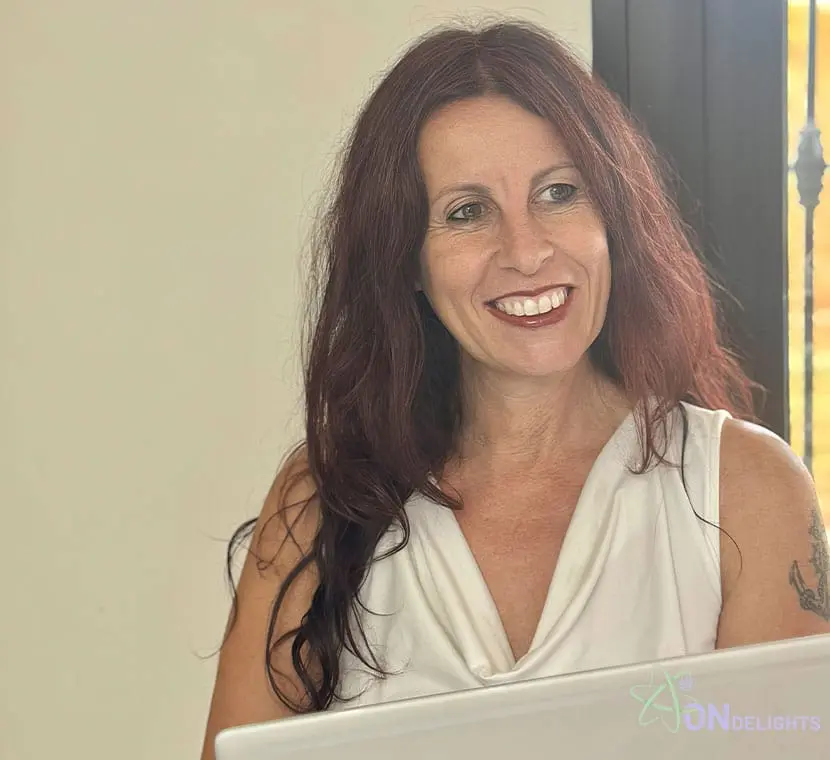
 Expert
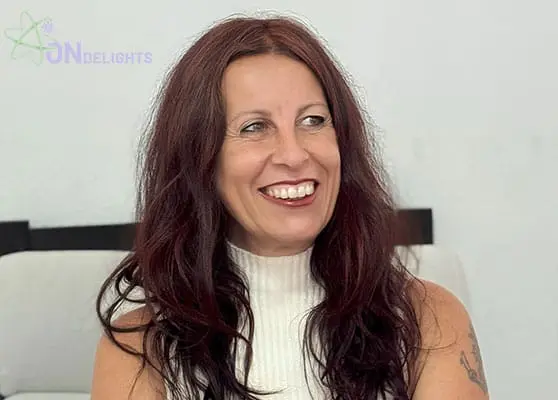
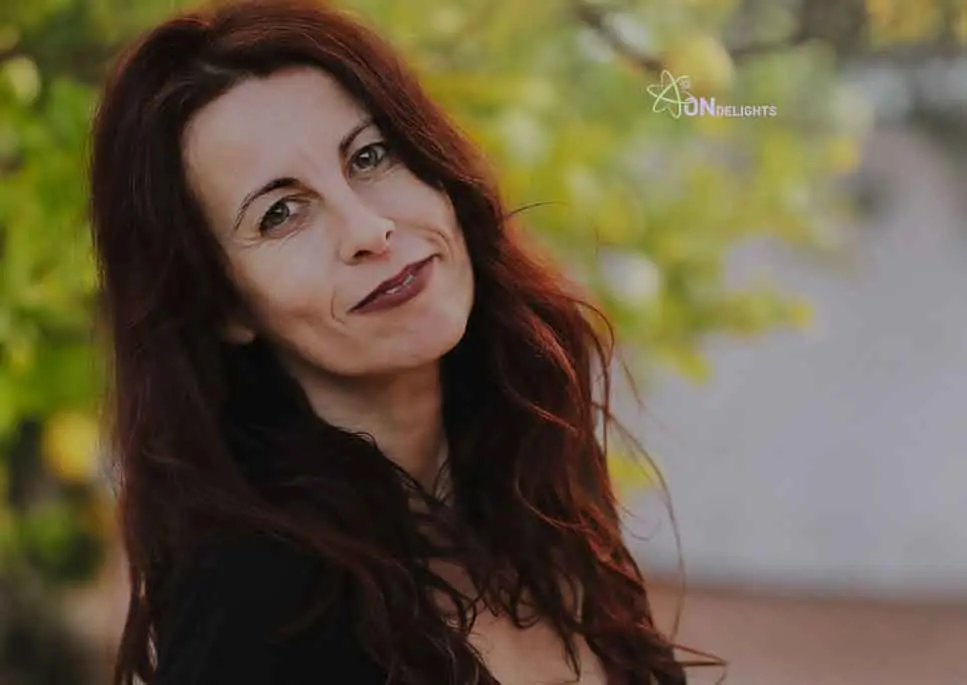
Cris González Serrano
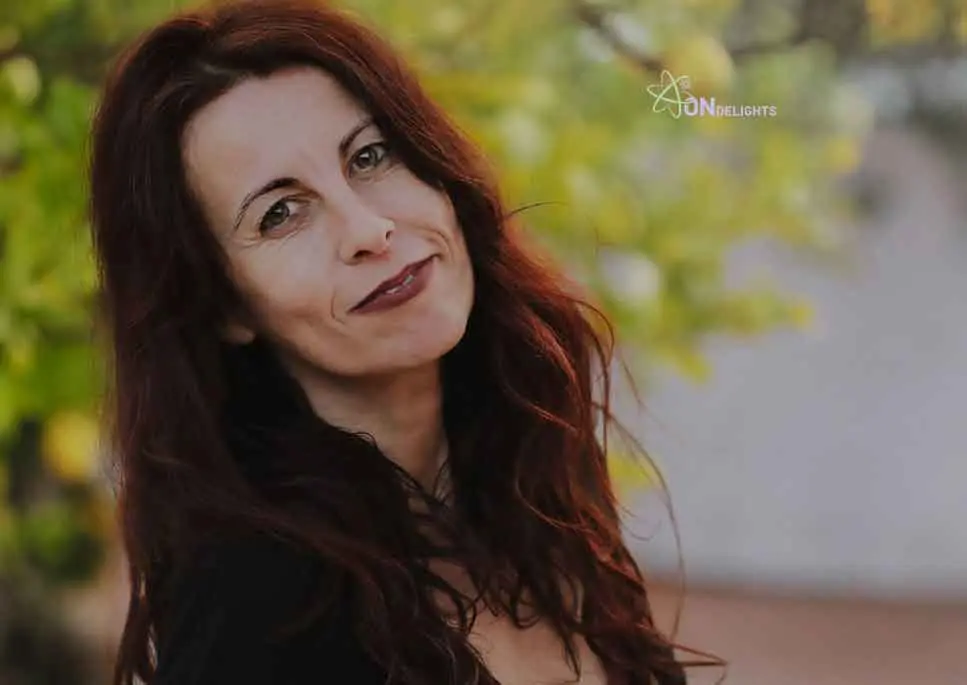
Expert
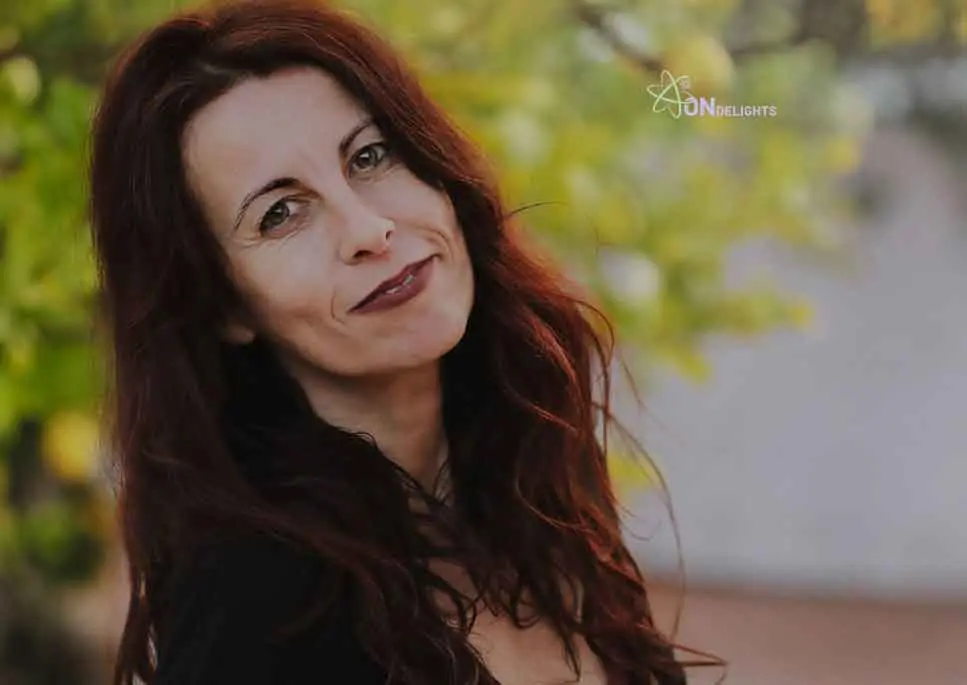
Cris González Serrano