Languages Portuguese, Spanish, English
Sessions 14
Duration 50
The Identity Architect: An 14-Session Premium Trauma & Self-Reconstruction Journey: Step beyond the cycle of mere survival and enter a high-level clinical space dedicated to the complete restoration of your authentic self. This flagship 14-session programme is designed for those who recognize that trauma has not only left emotional wounds but has fundamentally reshaped their identity, self-worth, and relationship with the world. Whether you are navigating the echoes of complex trauma, chronic self-doubt, or a persistent sense of internal instability, this journey offers a sophisticated, multi-phased roadmap to dismantle shame-based narratives and rebuild a foundation of unshakable self-trust. This is a premium therapeutic experience that mirrors the clinical depth of the world’s leading trauma centers, delivered with the precision of evidence-based science and the warmth of genuine human empathy.Guided personally by our lead expert, the programme integrates EMDR-informed processing, Narrative Therapy, and Polyvagal-informed stabilization to treat the mind and the nervous system simultaneously. You will progress through a rigorous transformation—from an initial "Identity Assessment" to deep-dive trauma reprocessing, finally arriving at the "Life Design" phase where you re-author your personal story. Unlike standard therapy, this journey prioritizes the separation of your core identity from your past experiences, replacing survival strategies with values-aligned leadership of your own life. Supported by an elite suite of resources—including an Identity Mapping Masterfile, Future-Self Development Guide, and a Long-Term Resilience Plan—you will emerge not just "healed," but fundamentally reconstructed, empowered with the clarity and emotional authority to move forward with purpose.
Worldwide ExpertiseTrauma & ADHD Specialist and Sex Counsellor
Local ExpertiseLicensed General Health Psychologist (Psicólogo General Sanitario)

Languages Portuguese, Spanish, English
Sessions 12
Duration 50
The Sexual Wellness Masterpiece: A 16-Session Premium Transformation: Elevate your relationship with intimacy from a place of uncertainty to one of profound, authentic power. This flagship transformation programme is our most comprehensive clinical offering, designed for individuals and couples ready for a total reset of their sexual wellbeing. Recognizing that sexuality is the intersection of the nervous system, personal identity, and emotional history, this 16-session journey moves beyond solving "problems" to cultivate a flourishing, high-vibrational connection with yourself and your partner. Whether you are navigating decades of shame, a complete loss of desire, or the numbing effects of emotional blocks, this programme provides the elite psychological structure necessary to dissolve barriers and reclaim your right to pleasure, presence, and confidence.Led personally by our lead expert, the transformation is orchestrated through five strategic phases that harmonize clinical sex therapy with advanced EMDR-informed emotional processing. You will move from deep-dive foundational assessments into intensive cognitive restructuring, dismantling the myths and shame-based beliefs that stifle arousal. Unlike standard therapy, this premium path incorporates sophisticated embodiment practices and "Pleasure Mapping" to bridge the gap between the mind and the body. Supported by an exclusive suite of materials—including a master Sexual Wellness Workbook, step-by-step Sensate Focus guides, and a Long-Term Wellness Design—you will emerge with an unshakable sense of sexual self-esteem and the communication skills to sustain a lifetime of deep, secure, and vibrant intimacy.
Worldwide ExpertiseTrauma & ADHD Specialist and Sex Counsellor
Local ExpertiseLicensed General Health Psychologist (Psicólogo General Sanitario)

Languages Portuguese, Spanish, English
Sessions 12
Duration 50
The Healing Journey: A 12-Session Trauma Recovery Programme: Reclaim your life from the shadows of the past with a specialized twelve-session journey designed to move you from "survival mode" to a state of genuine emotional safety. This programme is a dedicated clinical space for individuals navigating the complexities of PTSD, childhood wounds, or the persistent exhaustion of hypervigilance and shame. Recognizing that trauma is held not just in the mind but in the nervous system, this path focuses on deep, structured healing rather than mere symptom management. By integrating Polyvagal-informed stabilization with trauma-focused strategies, we work to quiet the body’s alarm systems and restore the internal sense of peace that trauma often erodes.Led personally by our lead expert, the programme utilizes an advanced, evidence-based roadmap that prioritizes your safety at every turn. You will begin with intensive nervous system regulation and grounding, ensuring you are emotionally fortified before moving into EMDR-informed trauma processing. This deliberate, phased approach allows you to safely reprocess distressing memories and replace self-critical beliefs with a narrative of resilience and strength. Supported by a comprehensive Trauma Stabilization Toolkit and personalized aftercare plans, you will work toward integrating your experiences into a new, empowered identity. This is more than a therapeutic package; it is a professional, compassionate invitation to finally step out of the past and into a future defined by confidence, stability, and emotional freedom.
Worldwide ExpertiseTrauma & ADHD Specialist and Sex Counsellor
Local ExpertiseLicensed General Health Psychologist (Psicólogo General Sanitario)
Languages Portuguese, Spanish, English
Sessions 1
Duration 50
The Clinical Consultation: Rapid Insight and Therapeutic Strategy: When you are facing emotional overwhelm, complex trauma patterns, or the weight of uncertainty, the hardest part is often knowing where to begin. This 50-minute clinical consultation provides a high-level psychological assessment designed to cut through the confusion and provide immediate, evidence-based direction. Rooted in recognized frameworks like CBT and Trauma-Informed screening, this session offers the clinical depth of a private psychological practice without the immediate pressure of a long-term commitment. It is a strategic entry point for those who need a professional "second opinion," rapid coping interventions, or a clear diagnostic orientation.Guided personally by our lead expert, the session follows a rigorous yet compassionate structure—moving from an in-depth exploration of your emotional landscape to the delivery of immediate regulation tools. You will gain a clear psychological explanation of your specific challenges, whether they involve trauma cycles, addiction patterns, or emotional dysregulation, and walk away with a personalized professional roadmap. Beyond the session, you’ll receive a summary of recommendations and practical PDF tools to bridge the gap between insight and action. This is more than a conversation; it is a professional clinical gateway to regaining stability and choosing the therapeutic path that truly fits your needs.
Worldwide ExpertiseTrauma & ADHD Specialist and Sex Counsellor
Local ExpertiseLicensed General Health Psychologist (Psicólogo General Sanitario)
Languages Portuguese, Spanish, English
Sessions 12
Duration 50
The Intimate Self: An 8–12 Session Sexual Wellbeing & Intimacy Programme: Reclaim the narrative of your own pleasure and connection in a sophisticated, clinical space designed to dissolve the barriers between you and your desire. This comprehensive programme is crafted for adults navigating the complexities of sexual confidence, emotional blocks, or the "quiet distance" that often grows within long-term relationships. Whether you are struggling with performance pressure, body image concerns, or a mismatch in desire, this journey moves beyond surface-level advice. By integrating proven sex therapy frameworks with Sensate Focus techniques and attachment theory, we work to replace shame and avoidance with a grounded sense of sexual self-esteem and authentic connection.Personally guided by our lead expert, the programme follows a respectful, structured roadmap that evolves from an exploration of your sexual history to the mastery of intimate communication. You will move from understanding the nuances of the desire cycle to implementing body-awareness practices that reduce pressure and heighten presence. Unlike generic coaching, this therapeutic path addresses the deep-seated emotional wounds and communication gaps that affect sexual functioning. Supported by a suite of clinical resources—including desire-mapping tools, boundaries worksheets, and a Personalized Sexual Wellbeing Plan—you will emerge with the emotional safety and practical confidence to experience intimacy as a source of joy and vitality, rather than anxiety.
Worldwide ExpertiseTrauma & ADHD Specialist and Sex Counsellor
Local ExpertiseLicensed General Health Psychologist (Psicólogo General Sanitario)
Languages Portuguese, Spanish, English
Sessions 12
Duration 50
The Path to Autonomy: A Comprehensive Recovery Programme: Break the cycle of secrecy and regain mastery over your life with a specialized ten-session programme designed for individuals struggling with compulsive sexual behaviors or problematic pornography use. This is a space entirely free from judgment, specifically built to replace the weight of shame with professional clinical strategy. Whether you are navigating escalating habits, a loss of behavioral control, or the erosion of intimacy in your relationships, this journey focuses on more than just abstinence—it aims for a fundamental restoration of emotional balance, self-respect, and healthy sexual values.Led by a specialist in Sexual Health and Addiction Psychology, the programme utilizes a powerful, evidence-based integration of Cognitive Behavioural Therapy (CBT) and EMDR-informed trauma processing. You will move through a structured clinical roadmap that first demystifies the neurobiology of cravings and maps your unique triggers, before progressing into intensive behavioral restructuring and craving-interruption techniques. Unlike standard support groups, this programme addresses the deep-seated emotional wounds and attachment patterns that often fuel compulsive loops, providing you with a high-level "Relapse Prevention Toolkit" and personal tracking logs to ensure your progress is measurable and permanent. By the final session, you will have moved beyond the "instant-access" cycle to build a lifestyle rooted in transparency, emotional resilience, and a redefined, healthy relationship with intimacy.
Worldwide ExpertiseTrauma & ADHD Specialist and Sex Counsellor
Local ExpertiseLicensed General Health Psychologist (Psicólogo General Sanitario)
Languages Portuguese, Spanish, English
Sessions 8
Duration 50
The Grounded Mind: An 8-Session Mindfulness-Based Stress Reduction (MBSR) Programme: Shift from a state of constant reaction to one of conscious presence with this internationally recognized 8-session programme. Based on the pioneering work of Jon Kabat-Zinn, this journey is designed for those who feel overwhelmed by the "automatic pilot" of stress—where overthinking, physical tension, and emotional reactivity have become the default. Rather than trying to eliminate life's pressures, this programme provides a clinical and contemplative framework to change your relationship with them. By mastering the art of non-judgmental awareness, you will learn to regulate your nervous system and create the mental space necessary to choose your responses rather than being driven by your impulses.Personally guided by our lead expert, the programme follows a rigorous roadmap that evolves from basic breathwork to advanced cognitive distancing and self-compassion training. You will move through a strategic sequence that includes the "Body Scan" to release stored physical tension and mindful movement to improve grounding. Unlike generic meditation apps, this therapeutic path focuses on the practical integration of mindfulness into high-pressure environments, relationships, and daily routines. Supported by a comprehensive suite of resources—including guided audio exercises, breathwork sheets, and a Personalized Daily Mindfulness Plan—you will emerge with the emotional flexibility and inner quietness needed to navigate life with sustained clarity and resilient calm.
Worldwide ExpertiseTrauma & ADHD Specialist and Sex Counsellor
Local ExpertiseLicensed General Health Psychologist (Psicólogo General Sanitario)

Languages Portuguese, Spanish, English
Sessions 12
Duration 50
The Foundation for Freedom: A 10–12 Session Addiction Recovery Programme: Break the cycle of dependency and reclaim your autonomy through a high-level clinical programme designed to dismantle the mechanics of addiction. This journey is crafted for individuals who recognize that their addictive behaviors—whether involving substances or compulsive habits—have become an unsustainable shield against stress, loneliness, or unresolved emotional pain. By moving beyond the "willpower" myth, this programme uses a sophisticated, evidence-based roadmap to address the neurobiological and psychological roots of your urges. We provide a professional, confidential environment where shame is replaced by strategy, allowing you to transition from a state of constant craving to a life of grounded, long-term stability.Personally guided by our lead expert, the programme utilizes a powerful integration of Cognitive Behavioural Therapy (CBT) and EMDR-informed trauma processing. You will move through a strategic evolution that begins with deep trigger mapping and psychoeducation, progressing into intensive craving-management techniques like "urge-surfing" and emergency coping protocols. Unlike standard support models, this therapeutic path addresses the "Permission-Giving" thoughts and emotional wounds that often fuel a relapse, providing you with a rigorous, personalized Relapse Prevention Plan. Supported by a suite of recovery materials—including trigger maps, behavior logs, and a 12-month maintenance strategy—you will emerge with the emotional regulation skills and self-belief necessary to build a future defined by choice, health, and lasting independence.
Worldwide ExpertiseTrauma & ADHD Specialist and Sex Counsellor
Local ExpertiseLicensed General Health Psychologist (Psicólogo General Sanitario)
Languages Portuguese, Spanish, English
Sessions 12
Duration 50
The Secure Union: An 8–12 Session Couples Intimacy & Connection Programme: Bridge the gap between "living together" and "being together" in this clinical, high-impact programme designed to transform the architecture of your relationship. This journey is for partners who share a foundation of love but feel trapped in exhausting cycles of criticism, withdrawal, or sexual disconnection. By moving beyond simple "venting" sessions, we utilize a strategic blend of Emotionally Focused Therapy (EFT) and Attachment Theory to deconstruct the negative patterns that cause distance. The goal is to replace defensiveness with emotional safety, turning your relationship back into a refuge of mutual understanding and shared vitality.Personally guided by our lead expert, the programme follows a professional roadmap that evolves from a deep relational assessment to the mastery of "conscious repair" strategies. You will move from de-escalating recurring arguments to rebuilding intimacy through evidence-based Sensate Focus techniques and communication training that eliminates blame. Unlike standard counseling, this therapeutic path addresses both the emotional and physical pillars of partnership, offering a safe space to navigate unmet needs and trust-rebuilding. Supported by a comprehensive suite of materials—including conflict-resolution tools and a Personalized Relationship Maintenance Plan—you and your partner will emerge with the skills to maintain a resilient, high-trust connection that flourishes long after the programme ends.
Worldwide ExpertiseTrauma & ADHD Specialist and Sex Counsellor
Local ExpertiseLicensed General Health Psychologist (Psicólogo General Sanitario)
Languages Portuguese, Spanish, English
Sessions 5
Duration 50
The Calm Mind: An 8–10 Session Anxiety & Stress Mastery Programme: Break the cycle of chronic worry and reclaim your internal peace with a clinical programme designed to transform how you respond to pressure. This intensive journey is crafted for adults who feel sidelined by overthinking, panic symptoms, or the exhausting weight of constant stress. Rather than simply "managing" your anxiety, this path uses a high-impact, evidence-based roadmap to deconstruct the mechanics of fear. By integrating Cognitive Behavioural Therapy (CBT) with EMDR-informed processing and somatic grounding, we work to quiet both the anxious mind and the overactive nervous system, moving you from a state of constant "high alert" to one of grounded stability.Led personally by our lead expert, the programme follows a strategic evolution from assessment to empowerment. You will move from understanding your biological triggers to mastering clinical breathwork and "thought restructuring" techniques that challenge catastrophic thinking. Unlike generalized advice, this programme includes a structured exposure-based framework to safely reduce avoidance and an EMDR-informed phase to process the underlying emotional fears that fuel your anxiety. Supported by a comprehensive toolkit—including CBT records, grounding exercises, and a Personalized Stress-Management Plan—you will emerge with the resilience to face daily challenges with clarity, confidence, and a restored sense of control.
Worldwide ExpertiseTrauma & ADHD Specialist and Sex Counsellor
Local ExpertiseLicensed General Health Psychologist (Psicólogo General Sanitario)
Languages Portuguese, Spanish, English
Sessions 10
Duration 50
The Focused Mind: An Adult ADHD & Executive Functioning Programme: Trade the daily chaos of "trying harder" for a system that actually works with your brain. This 8-to-10 session programme is specifically designed for adults with diagnosed or suspected ADHD who are tired of the cycle of procrastination, mental clutter, and self-criticism. Instead of fighting against your neurobiology, this journey focuses on mastering your unique ADHD profile through high-level psychological support and behavioral skills training. We move beyond basic "tips" to address the core executive functions—such as task initiation, time perception, and emotional intensity—that often make professional and personal life feel like an uphill battle.Personally guided by our lead expert, the programme follows a strategic clinical roadmap that shifts from deep psychoeducation to the construction of "fail-safe" organizational systems. You will learn to dismantle avoidance patterns, regulate the emotional overwhelm that often triggers shutdowns, and implement focus-block routines that turn task completion into a consistent habit. Throughout the programme, you’ll receive a suite of practical tools—including a weekly planner, a habit guide, and productivity worksheets—culminating in a personalized Long-Term ADHD Management Plan. By the final session, you won't just have better focus; you’ll have a reclaimed sense of confidence and a sustainable framework for navigating the world with clarity and independence.
Worldwide ExpertiseTrauma & ADHD Specialist and Sex Counsellor
Local ExpertiseLicensed General Health Psychologist (Psicólogo General Sanitario)
Languages Portuguese, Spanish, English
Sessions 5
Duration 50
The Resilient Path: A 5-Session Targeted Therapy Programme: Achieve meaningful emotional shifts and regain your internal balance with a structured, high-impact programme designed for those navigating mild-to-moderate anxiety, stress, or self-esteem challenges. This five-session journey is built for the proactive individual who wants professional clinical depth and evidence-based results without the requirement of long-term therapy. By integrating the core principles of Cognitive Behavioural Therapy (CBT) with EMDR-informed stabilization, this programme moves rapidly from understanding your triggers to mastering the practical tools needed for daily resilience.Under the personal guidance of our lead expert, you will follow a carefully sequenced roadmap that begins with a comprehensive psychological assessment and personal formulation. From there, the focus shifts to nervous system regulation and cognitive restructuring—helping you dismantle negative thought loops and replace avoidance behaviors with empowered, healthy routines. Throughout the journey, you are supported by a curated selection of therapeutic worksheets, mood-tracking tools, and psychoeducation handouts to ensure your progress is measurable and sustainable. By the final session, you will have moved beyond temporary relief, emerging with a personalized long-term wellbeing plan and a robust toolkit of coping strategies that will serve you long after the programme concludes.
Worldwide ExpertiseTrauma & ADHD Specialist and Sex Counsellor
Local ExpertiseLicensed General Health Psychologist (Psicólogo General Sanitario)
Languages Portuguese, Spanish, English
Sessions 10
Duration 50
The Path to Transformation: A 10-Session Clinical Therapy Programme: Move beyond temporary relief and embark on a profound journey of emotional healing and sustainable psychological growth. This comprehensive ten-session programme is designed for individuals navigating moderate-to-severe emotional difficulties, trauma-related symptoms, or long-standing psychological patterns that hinder daily life. By mirroring the structured, high-level clinical care found in leading private psychological practices, this programme transitions from simple symptom management to an intensive exploration of the root causes behind anxiety, compulsive behaviors, and emotional dysregulation.Personally guided by our lead expert, the journey utilizes a sophisticated, evidence-based integration of Cognitive Behavioural Therapy (CBT), EMDR-informed processing, and Dialectical Behaviour Therapy (DBT) skills. Your roadmap begins with a deep clinical assessment and nervous system stabilization, moving systematically through cognitive restructuring and trauma processing to dismantle unhealthy behavioral cycles. You will receive an extensive therapeutic toolkit—including a complete workbook and personalized relapse prevention plan—ensuring that the progress you make in the session translates into lasting resilience. By the final review, you will emerge with a restored sense of identity, healthier relational boundaries, and the professional strategies needed to maintain emotional freedom and psychological stability for the long term.
Worldwide ExpertiseTrauma & ADHD Specialist and Sex Counsellor
Local ExpertiseLicensed General Health Psychologist (Psicólogo General Sanitario)

 Expert
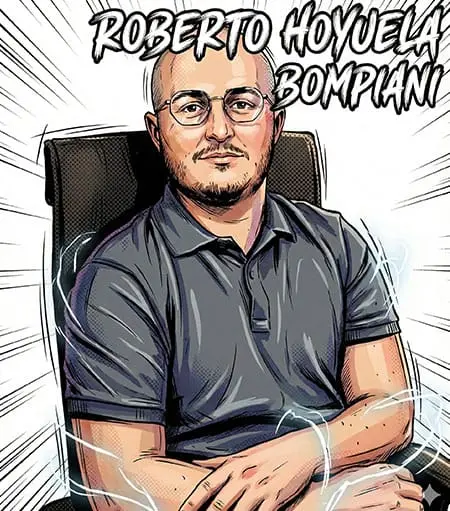
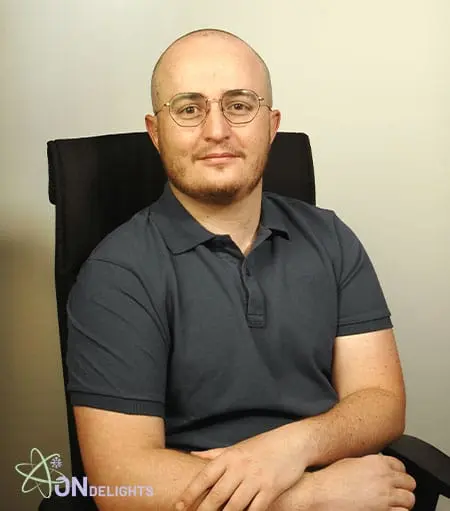
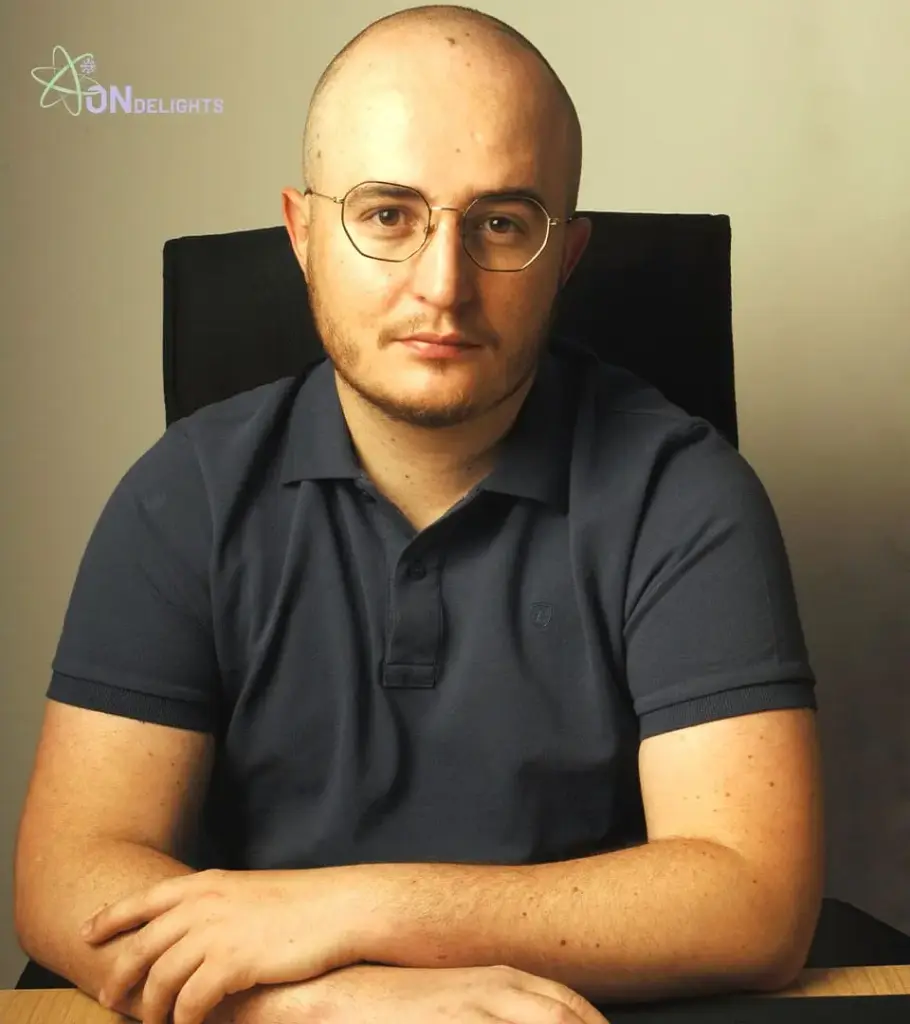
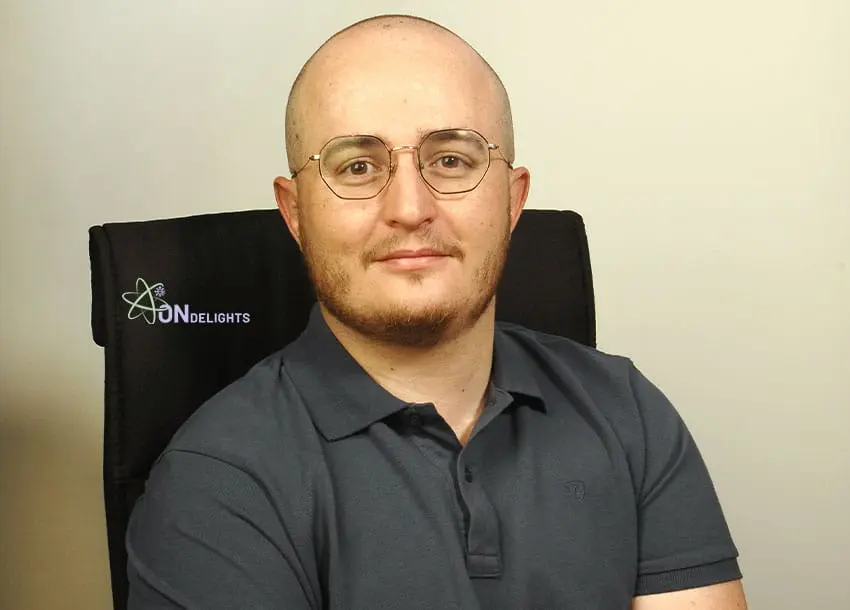
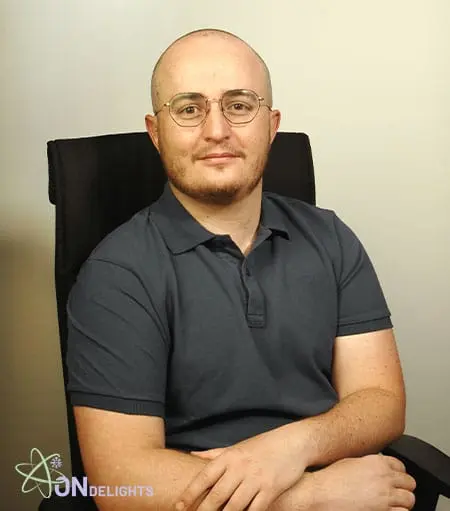
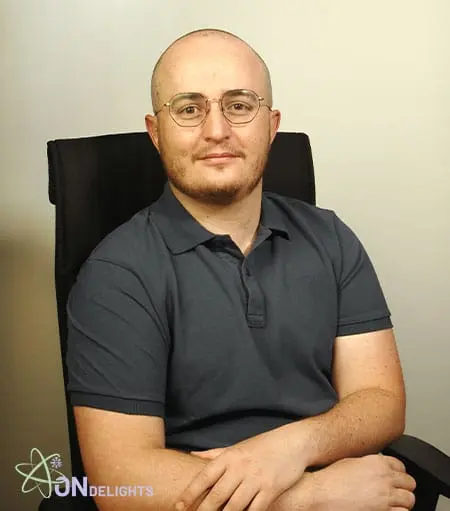
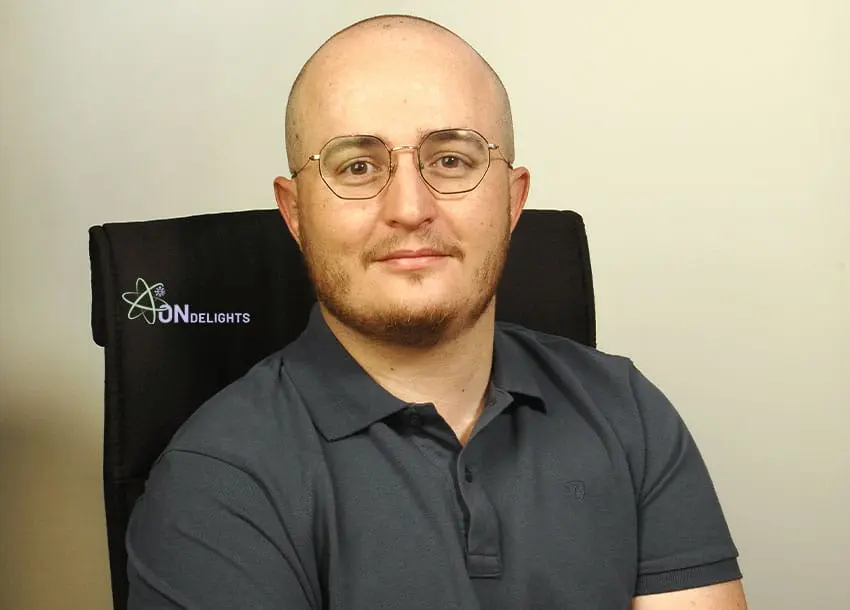
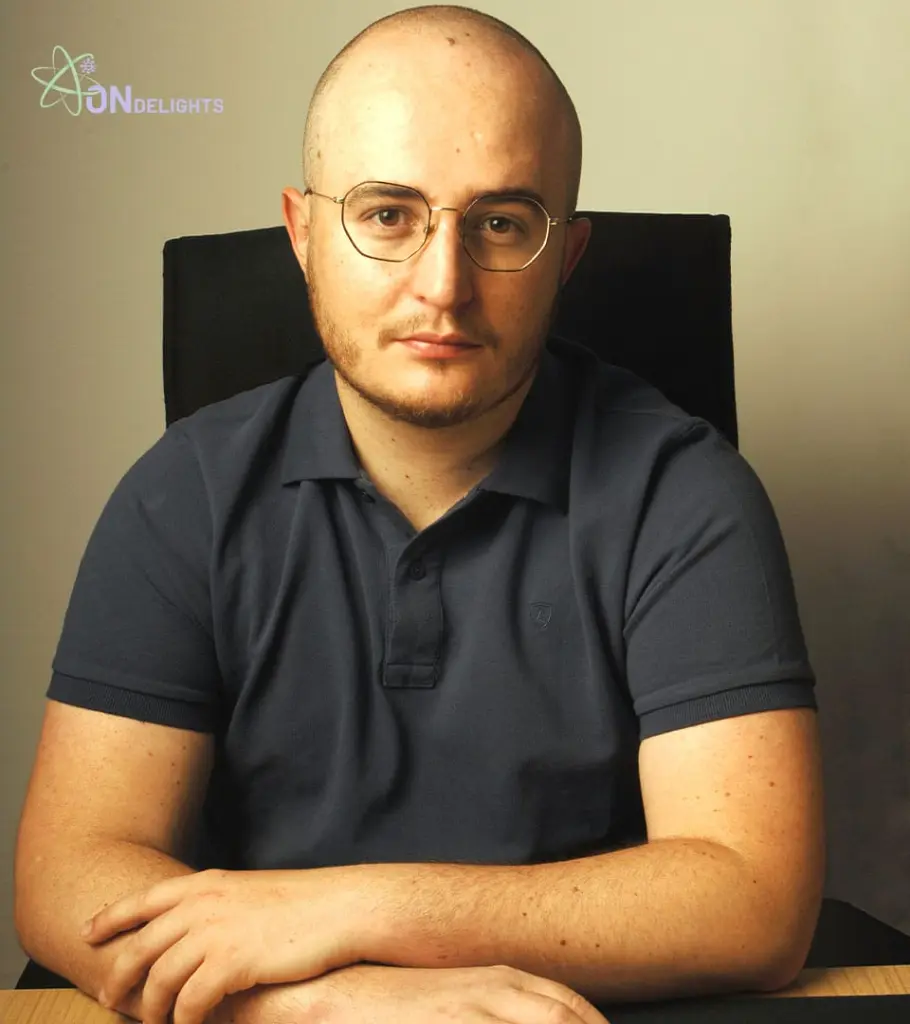
Roberto Hoyuela Bompiani
Expert
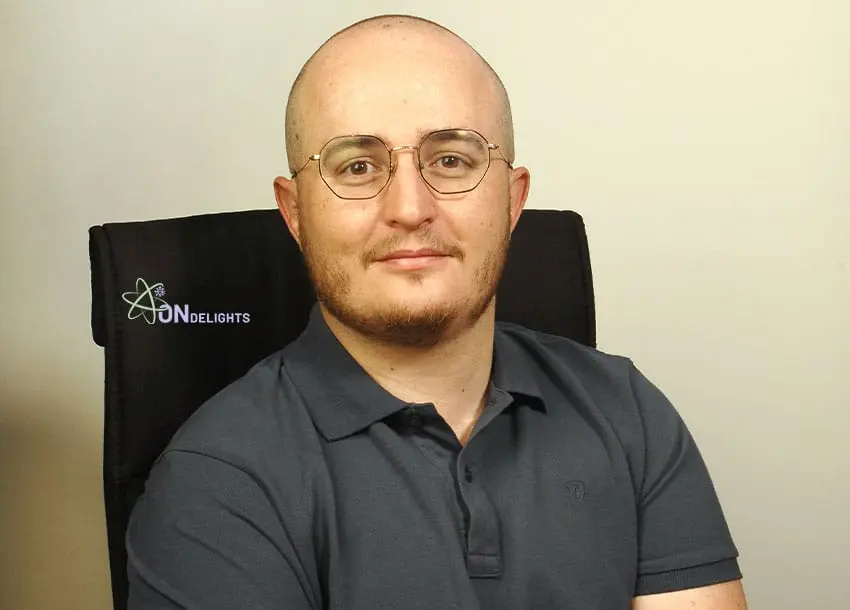
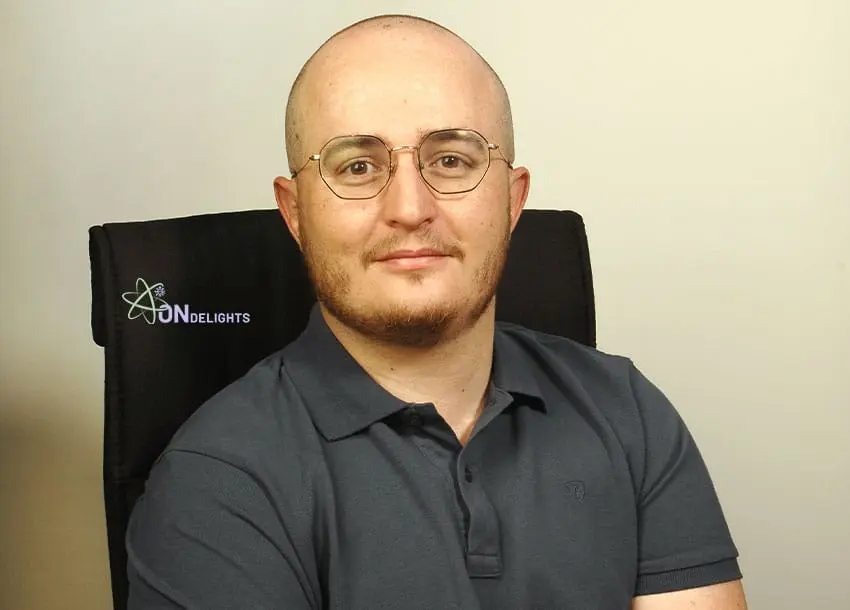
Roberto Hoyuela Bompiani