Adults experiencing complex trauma, identity wounds, chronic self-doubt, emotional instability, shame, unresolved emotional pain, relationship difficulties, or deeply rooted psychological patterns affecting confidence, wellbeing, and daily life.
Deep Trauma Healing & Identity Reconstruction
This premium transformational programme is designed for individuals who want more than temporary symptom relief. It is a structured, psychologically informed journey focused on healing trauma at its roots, rebuilding identity, restoring emotional safety, and creating long-term emotional resilience.
Trauma can shape the way a person thinks, feels, relates to others, and sees themselves. Over time, unresolved emotional wounds may lead to chronic self-doubt, shame, emotional instability, relationship difficulties, avoidance patterns, low self-worth, and a disconnected sense of identity.
This programme is designed to help clients:
-
Understand their trauma and emotional patterns
-
Heal unresolved emotional wounds
-
Rebuild confidence and self-worth
-
Develop emotional stability and resilience
-
Reconnect with values, identity, and meaning
-
Reclaim and rewrite their personal narrative
This is a high-level trauma and identity programme similar in depth and structure to the type of specialist treatment often offered in premium private trauma clinics in London — delivered with warmth, empathy, professionalism, and evidence-based precision.
Scientifically Grounded & Integrative Therapeutic Approach
This programme combines advanced psychological frameworks and evidence-based trauma interventions, including:
-
EMDR-Informed Trauma Processing
-
Identity-Based Cognitive Behavioural Therapy (CBT)
-
Narrative Therapy
-
Polyvagal-Informed Nervous System Regulation
-
Compassion-Focused Therapy
-
Attachment & Relational Healing Approaches
EMDR-Informed Trauma Processing
EMDR-informed approaches help clients safely process distressing emotional experiences and trauma memories that continue to affect emotional wellbeing, identity, and daily functioning.
Research consistently demonstrates that EMDR-based interventions significantly reduce:
-
Trauma symptoms
-
Emotional distress
-
Hyperarousal and reactivity
-
Shame-based emotional patterns
Identity-Based CBT
Identity-focused CBT helps clients:
-
Challenge deeply rooted negative beliefs
-
Rebuild healthier self-perceptions
-
Develop more balanced emotional thinking
-
Strengthen confidence and decision-making
Narrative Therapy
Narrative approaches help clients:
-
Re-author painful personal narratives
-
Separate identity from trauma
-
Rebuild meaning and self-understanding
-
Develop a stronger and healthier sense of self
Polyvagal & Emotional Regulation Work
Trauma often dysregulates the nervous system, leading to:
-
Emotional overwhelm
-
Chronic stress responses
-
Anxiety or shutdown patterns
-
Difficulty feeling safe or connected
Polyvagal-informed interventions help stabilise the nervous system and improve emotional regulation, resilience, and feelings of internal safety.
Compassion-Focused & Attachment Healing
This programme also addresses:
-
Shame and self-criticism
-
Attachment wounds
-
Fear of rejection or abandonment
-
Emotional disconnection and relationship patterns
Clients learn to develop greater self-compassion, emotional safety, and healthier relational patterns.
Your Trauma & Identity Reset Roadmap
This programme follows a carefully structured transformational pathway designed to support both deep emotional healing and lasting identity reconstruction.
Phase 1 — Safety, Stabilisation & Identity Exploration (Sessions 1–4)
Trauma Mapping & Emotional Assessment
-
Understanding trauma history and emotional patterns
-
Identifying triggers, survival strategies, and coping mechanisms
-
Exploring emotional regulation difficulties
Identity Wounds Exploration
-
Examining shame, self-doubt, and limiting beliefs
-
Understanding how trauma shaped identity and self-worth
Emotional Regulation & Stabilisation
-
Nervous system regulation techniques
-
Grounding and emotional safety exercises
-
Building internal stability and resilience
“Who Am I?” Identity Assessment
-
Exploring personal values, strengths, beliefs, goals, and identity patterns
-
Clarifying the difference between trauma identity and authentic self
Focus: Building emotional safety while beginning deeper identity exploration.
Phase 2 — Trauma Processing with EMDR-Informed Techniques (Sessions 5–10)
Target Memory Identification
-
Identifying emotionally significant memories and experiences
-
Understanding emotional triggers and internalised beliefs
Trauma Reprocessing
-
EMDR-informed trauma processing techniques
-
Reducing emotional intensity and distress
-
Releasing emotional burden linked to traumatic experiences
Adaptive Belief Integration
-
Replacing negative beliefs with healthier, more empowering perspectives
-
Strengthening emotional flexibility and resilience
Focus: Deep emotional healing and reduction of trauma-related distress.
Phase 3 — Rebuilding Identity & Self-Esteem (Sessions 11–14)
Challenging Shame-Based Narratives
-
Identifying internalised shame and self-criticism
-
Reframing negative identity beliefs
Re-Authoring the Personal Story
-
Building a healthier and more empowered self-narrative
-
Separating identity from trauma and past experiences
Values & Purpose Reconstruction
-
Clarifying personal values, meaning, and direction
-
Rebuilding confidence and emotional self-trust
Establishing a New Self-Concept
-
Strengthening self-worth, confidence, and emotional stability
-
Developing a more authentic and resilient identity
Focus: Identity reconstruction and emotional empowerment.
Phase 4 — Integration, Life Design & Confidence Building (Sessions 15–18)
Future Self Development
-
Defining future goals and emotional direction
-
Strengthening long-term confidence and resilience
Lifestyle & Emotional Alignment
-
Creating healthier routines and emotional habits
-
Aligning life choices with values and personal growth
Long-Term Coping & Resilience Strategy
-
Relapse prevention for old emotional patterns
-
Maintaining emotional regulation and self-awareness
-
Building sustainable wellbeing systems
Focus: Long-term emotional resilience, identity integration, and confident life direction.
Expected Outcomes
Clients commonly experience:
-
Healing of deep emotional wounds
-
Reduced trauma symptoms and emotional overwhelm
-
Increased self-worth and self-confidence
-
Stronger and healthier identity
-
Greater emotional resilience and stability
-
Reduced shame and self-criticism
-
Improved emotional regulation
-
Stronger sense of meaning, direction, and authenticity
Direct Benefits
-
Clearer self-concept and identity
-
Greater emotional clarity
-
Improved stress tolerance
-
Healthier emotional responses
-
Increased confidence in decision-making
-
Reduced emotional reactivity and self-doubt
Long-Term & Indirect Benefits
This programme may also support:
-
Better relationships and emotional connection
-
Higher motivation and life engagement
-
Improved overall life satisfaction
-
Increased self-respect and personal empowerment
-
Greater resilience during stress and change
-
Improved professional and personal functioning
Premium Materials Included
Clients receive a complete set of therapeutic and transformational resources, including:
-
Trauma Recovery Workbook
-
Identity Mapping Sheets
-
Future-Self Development Guide
-
Emotional Regulation Toolkit
-
Grounding & Nervous System Exercises
-
Personal Values & Confidence Worksheets
-
Long-Term Resilience & Integration Plan
Rebuild the Relationship With Yourself
Trauma can disconnect people from their confidence, identity, emotional safety, and sense of self. Healing is not only about reducing symptoms — it is about rebuilding the internal foundation that trauma disrupted.
This premium programme provides a safe, evidence-based, and deeply transformative pathway toward emotional healing, stronger identity, self-respect, resilience, and long-term psychological wellbeing.



 Expert
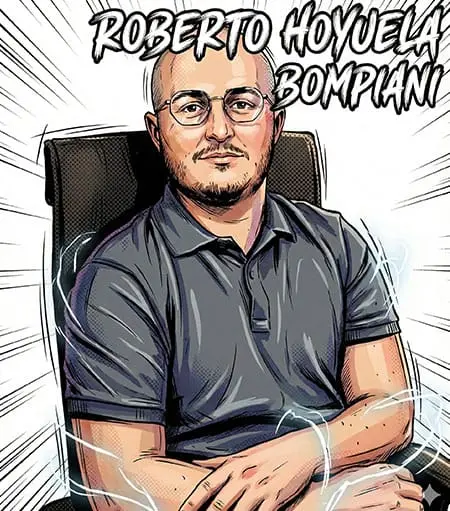
Roberto Hoyuela Bompiani
Expert
Roberto Hoyuela Bompiani