This comprehensive inclusion and diversity training program is designed for organisations seeking to create respectful, equitable, and socially responsible workplace cultures. Through an integrative and rights-based approach, participants explore how gender norms, stereotypes, organisational structures, and unconscious bias influence communication, leadership, decision-making, collaboration, and employee wellbeing.
Using experiential group work, reflective exercises, expressive methodologies, and real-world case studies, the program encourages deeper awareness of diversity in all its forms — including sexual orientation, gender identity, gender expression, and other protected characteristics — while equipping participants with practical tools to foster psychological safety, inclusion, and belonging within their organisations.
The training aligns with the UK Equality Act 2010, which protects individuals from discrimination based on protected characteristics, including sexual orientation and gender reassignment. It also reflects the principles of the Public Sector Equality Duty (PSED), supporting organisations in eliminating discrimination, advancing equality of opportunity, and promoting positive relationships across diverse communities.
Program Structure & Roadmap
Flexible Delivery Options
Both formats cover the same core content, with adjustments made to the depth of exploration and group process according to the schedule and organisational needs.
Session 1 — Diversity Awareness & Legal Foundations
Themes
Protected characteristics, identity, SOGI (Sexual Orientation and Gender Identity), equality legislation
Objective
Establish a shared understanding of diversity, inclusion, and the UK legal framework surrounding equality and anti-discrimination.
Key Topics
-
Equality Act 2010
-
Public Sector Equality Duty (PSED)
-
Definitions of identity, orientation, and gender expression
-
Current workplace inclusion challenges
-
Diversity realities within organisational environments
Session 2 — Gender Norms, Organisational Roles & Stereotypes
Themes
Gender expectations, workplace culture, structural inequality
Objective
Examine how social and organisational norms shape behaviours, opportunities, and inequality within teams and leadership structures.
Key Topics
-
Socially constructed gender roles
-
Leadership expectations and bias
-
Organisational stereotypes
-
Impact on communication, teamwork, and career progression
-
Cultural assumptions within professional settings
Session 3 — Unconscious Bias, Discrimination & Intersectionality
Themes
Bias awareness, discrimination, microaggressions, intersectionality
Objective
Help participants recognise unconscious bias and develop strategies to reduce exclusionary behaviours at both individual and organisational levels.
Key Topics
-
How unconscious bias operates
-
Intersectionality and overlapping identities
-
Psychological safety in the workplace
-
Inclusive communication practices
-
Recognising and preventing microaggressions
Session 4 — Inclusive Leadership, Team Cohesion & Workplace Wellbeing
Themes
Leadership, respect, collaboration, inclusion, emotional safety
Objective
Strengthen leadership and team practices that support inclusion, accountability, and respectful collaboration.
Key Topics
-
Empathetic and inclusive leadership
-
Accountability and organisational responsibility
-
Effective communication strategies
-
Supporting LGBTQ+ colleagues and diverse teams
-
Building psychologically safe and respectful workplace cultures
Session 5 — Inclusion Strategy, CSR Alignment & Sustainable Change
Themes
Long-term integration, prevention, organisational responsibility, CSR
Objective
Create practical commitments and long-term inclusion strategies that can be integrated into everyday organisational practice.
Key Topics
-
Aligning CSR values with diversity and inclusion goals
-
Anti-discrimination and prevention practices
-
Policy and procedural recommendations
-
Inclusive recruitment and communication guidelines
-
Long-term organisational inclusion planning
-
Final reflections and commitment-building
Expected Outcomes
By the end of the program, participants will be able to:
-
Understand diversity, protected characteristics, and legal responsibilities under the Equality Act 2010 and PSED
-
Recognise unconscious bias and reduce microaggressions in workplace interactions
-
Strengthen inclusive communication and leadership skills
-
Foster LGBTQ+ inclusion and psychological safety within teams
-
Connect diversity and CSR initiatives to organisational wellbeing, innovation, and values
-
Collaboratively develop long-term strategies for equity and inclusion
-
Improve trust, wellbeing, collaboration, and cohesion within the workplace
Included Materials
Participants receive a range of practical resources, including:
-
Diversity & Protected Characteristics Guide
-
Inclusive Communication Checklist
-
Case Study Analysis Pack
-
Inclusive Leadership Reflection Guide
-
CSR & Inclusion Integration Diagram
-
Inclusion Strategy Framework
Delivery Formats



 Expert
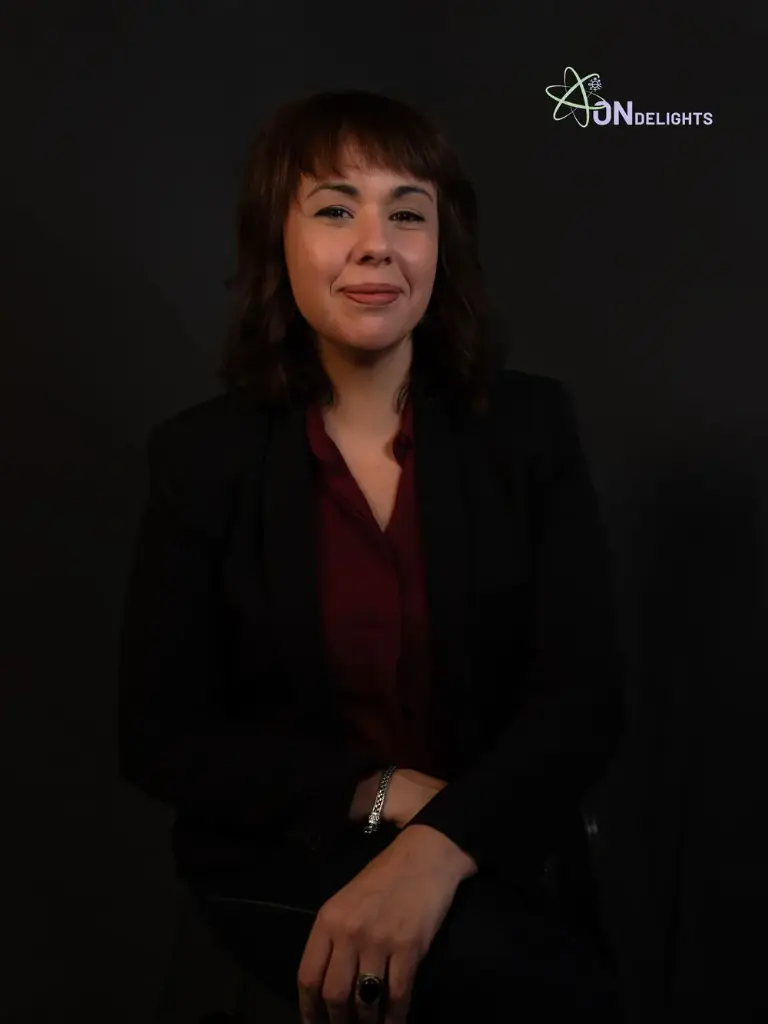
María Atahona
Expert
María Atahona